Honey Capital of Texas
Welcome to Uvalde, the Uvalde County seat on the southern edge of the Texas Hill Country, where the Frio River, honey-country heritage, and the crossroads of U.S. 90 and U.S. 83 meet.
Uvalde is a city in and the county seat of Uvalde County, Texas, set at the southern edge of the Texas Hill Country on the Edwards Plateau, along the Leona River and near the Frio River. It lies about 85 miles west of San Antonio and 70 miles east of Del Rio, at the junction of U.S. Highways 90 and 83. The town was founded in 1853 as Encina by Reading Wood Black and renamed Uvalde in 1856, when the county was organized, after Spanish governor Juan de Ugalde — a name that has been spelled "Uvalde" ever since. Agriculture has long defined the local economy. The area is famous for its light-colored huajillo honey, earning Uvalde a reputation as a honey capital, and the surrounding Winter Garden region produces vegetables, cotton, corn, grain, hay, and onions. Ranching contributes wool and mohair from angora goats, and the Uvalde National Fish Hatchery raises catfish, bluegill, and other species. The city anchors a broad retail and service area for the surrounding ranching country. Uvalde suits people drawn to Hill Country scenery, hunting and fishing, and a slower, small-town pace. The Frio River and Garner State Park are short drives away, offering swimming, tubing, camping, and star parties. Education runs from Uvalde CISD through Southwest Texas Junior College, whose main campus sits on Garner Field Road. The city's downtown, built around the courthouse and plaza, hosts events such as the annual Honey Festival, and its history is tied to native son John Nance "Cactus Jack" Garner, who served as vice president under Franklin D. Roosevelt.
Uvalde is the county seat of Uvalde County, in southwest Texas on the Edwards Plateau at the southern edge of the Hill Country. The county was created in 1850 and organized in 1856, and both the city and county take their name from Spanish governor Juan de Ugalde.
Uvalde is about 85 miles west of San Antonio, a drive of roughly an hour and a half along U.S. Highway 90. Del Rio lies about 70 miles to the west on the same corridor. Uvalde sits at the junction of U.S. 90 and U.S. 83, and San Antonio International Airport is the nearest major airport.
Uvalde is known for its light-colored huajillo honey and its honey-country heritage, celebrated each spring at the Uvalde Honey Festival. The city is also a gateway to Garner State Park on the Frio River and is the hometown of John Nance 'Cactus Jack' Garner, vice president under Franklin D. Roosevelt.
Uvalde is served by Uvalde Consolidated Independent School District, which enrolls roughly 4,000 students from pre-kindergarten through 12th grade and extends into parts of Zavala and Real counties. Southwest Texas Junior College, founded in 1946, has its main campus in Uvalde and serves an 11-county region.
Outdoor options include swimming, tubing, and camping at Garner State Park on the Frio River, bat-flight viewings at the Frio Bat Cave, and stargazing at Fort Inge. In town, the Briscoe-Garner Museum, the downtown Honey Festival, and the Golf Club of Texas round out year-round recreation and culture.
City Guide
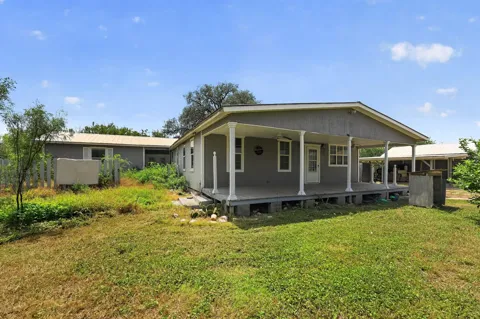
Uvalde's housing stock includes older in-town homes near the downtown and courthouse, established mid-century neighborhoods, and newer subdivisions and gated communities on the city's edges. Single-story homes predominate, reflecting the area's ranching roots and the practical preferences of local buyers. Legend Hills, a gated community, offers larger lots and panoramic views of the surrounding hills and countryside. Beyond the city limits, buyers find working ranches, acreage, and river-adjacent properties. The market tends toward a mix of starter homes, family houses, and rural homesteads, giving buyers room to choose between in-town convenience and wide-open space.
Uvalde's neighborhoods span the established in-town grid and the hillier outskirts. The older districts near downtown and the county courthouse feature historic homes, churches, and tree-lined streets within walking distance of shops and the plaza. Legend Hills offers a gated, view-oriented setting with acreage lots on rolling terrain. Other subdivisions and scattered residential developments spread along the U.S. 90 and U.S. 83 corridors. For buyers wanting land, the surrounding countryside provides ranchettes and larger tracts within easy reach of town, giving Uvalde a distinctly spacious, rural-to-suburban feel.
Life in Uvalde balances small-town Texas character with the outdoors. The annual Uvalde Honey Festival fills the downtown plaza with live music, vendors, and honey-themed events each spring, celebrating a product the region has produced since the 1870s. Residents gather around the courthouse square, local churches, schools, and youth sports, while hunting, fishing, and river recreation anchor weekend life. The city's western and ranching heritage shows in its feed stores, livestock auctions, and community rodeo culture. A low-key pace and strong community ties define daily life, with San Antonio's amenities about an hour and a half away.
Public education in Uvalde is provided by Uvalde Consolidated Independent School District, which serves roughly 4,000 students from pre-kindergarten through 12th grade and extends into portions of neighboring Zavala and Real counties. The district includes Uvalde High School, a junior high, and several elementary campuses. Higher education is anchored by Southwest Texas Junior College, a public community college founded in 1946 whose main campus sits on Garner Field Road in Uvalde and serves an 11-county region. Together the K-12 district and the college make Uvalde a regional education hub for southwest Texas.
Uvalde sits at the junction of U.S. Highways 90 and 83 — two of the country's longest routes — placing it on a direct east-west corridor between San Antonio and Del Rio. San Antonio is about 85 miles east, roughly a 90-minute drive, and Del Rio is about 70 miles west. The nearest commercial air service is via San Antonio International Airport. Within the region, state and farm-to-market roads connect Uvalde to smaller Hill Country and Winter Garden communities, supporting both commuter travel and the area's agricultural and ranching economy.
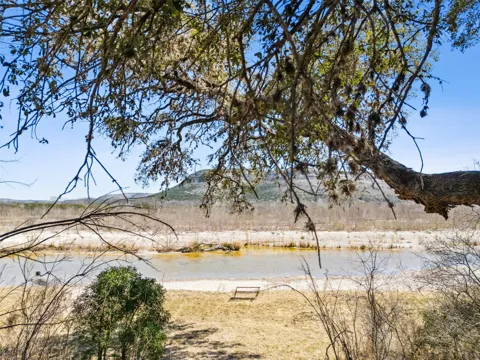
Outdoor recreation defines the Uvalde area. Garner State Park, on the Frio River in northern Uvalde County, is among Texas's most popular parks for swimming, tubing, camping, and its historic pavilion dances. The Frio Bat Cave offers seasonal evening viewings of a large bat colony, and Fort Inge, a restored frontier fort and former Texas Ranger camp, hosts occasional star parties. Anglers and paddlers use the Frio and Nueces rivers, and the Golf Club of Texas provides area golf. In town, the Briscoe-Garner Museum honors John Nance "Cactus Jack" Garner, and the Honey Festival brings the community downtown each spring.
MARKET SNAPSHOT
How homes have been selling here over the last 90 days.
Market data reflects closed sales over the last 90 days and is provided for informational purposes.
BROWSE BY ZIP
Browse listings by postal code in this area.