Montgomery County Seat on the Shores
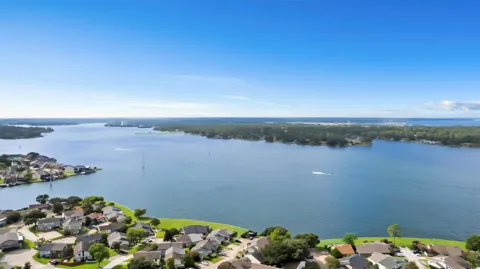
Welcome to Conroe, the Montgomery County seat set on the shores of Lake Conroe and framed by the Sam Houston National Forest. Lakefront living and small-city character sit forty miles up I-45 from downtown Houston.
Conroe sits at the northern edge of Greater Houston's suburban arc, roughly 40 miles from downtown Houston along Interstate 45. Founded in the late 19th century as a lumber and railroad town, it was named for Isaac Conroe, a Union cavalry officer turned timber entrepreneur who established a sawmill here in 1881. The discovery of oil in the early 1930s transformed Conroe almost overnight, and the city still carries the nickname "Miracle City" from that boom era. Today, Conroe is the seat of Montgomery County and one of the fastest-growing cities in the Houston region, with a population that has roughly doubled since 2000. Lake Conroe defines much of the city's character and growth trajectory. The 21,000-acre reservoir, impounded in 1973, wraps around Conroe's western edge with 157 miles of shoreline. Lakefront communities — some gated and country-club oriented, others more modest — have drawn generations of Houstonians seeking weekend retreats and permanent homes alike. The lake supports boating, fishing, swimming, and a constellation of marinas, yacht clubs, and waterfront restaurants. The Sam Houston National Forest, a 163,000-acre expanse of piney woods, frames the city's northern edge and provides a counterpoint to the lake's open water. The Lone Star Hiking Trail, a 128-mile footpath recognized as one of the premier long-distance trails in Texas, cuts through the forest and draws hikers from across the state. Downtown Conroe has cultivated a distinct identity with its brick-paved streets, historic buildings housing restaurants and boutiques, and a growing live-music scene. The Crighton Theatre, built in 1934, continues to host plays and musicals, while the Owen Theatre and Heritage Place Park add to the downtown cultural footprint. With its blend of lake life, forest access, a historic downtown, and a direct I-45 connection to Houston, Conroe occupies a unique position among Houston's northern suburbs — offering amenities that go well beyond bedroom-community norms.
Conroe is located in Montgomery County, Texas, and serves as the county seat. It is part of the Houston–The Woodlands–Sugar Land metropolitan area, situated approximately 40 miles north of downtown Houston along Interstate 45.
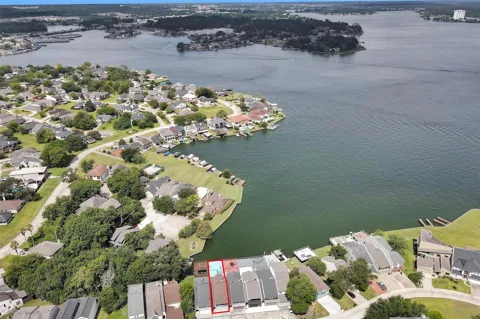
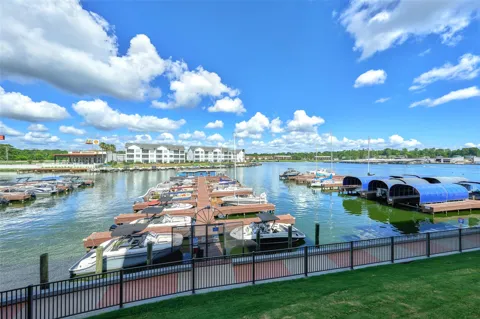
Lake Conroe is a 21,000-acre reservoir with 157 miles of shoreline, located on the western edge of the city of Conroe. It was impounded in 1973 and supports boating, fishing (including largemouth bass and catfish), swimming, and a variety of waterfront communities with marinas, yacht clubs, and restaurants.
Conroe is served by the Conroe Independent School District (CISD), which enrolls approximately 72,000 students across 64 campuses and covers 348 square miles. The district also serves The Woodlands, Oak Ridge North, and Shenandoah. CISD reports a 97.2 percent graduation rate and offers 26 Career and Technical Education programs.
Conroe is approximately 40 miles north of downtown Houston via Interstate 45. Off-peak drive times typically range from 35 to 45 minutes, though peak-hour traffic through The Woodlands corridor can extend the commute. The city also operates a commuter bus service to Houston from a park-and-ride lot.
Conroe offers Lake Conroe for boating, fishing, and swimming, plus the 163,000-acre Sam Houston National Forest for hiking, mountain biking, birdwatching, and hunting. The 128-mile Lone Star Hiking Trail runs through the forest and is the longest continuous footpath in Texas. Multiple golf courses, city parks, and the Conroe Aquatic Center add to the recreational options.
Downtown Conroe features historic brick-paved streets lined with independently owned restaurants, craft breweries, live music venues, boutiques, and antique stores. The Crighton Theatre, built in 1934, anchors the performing arts scene. Conroe holds a Texas Music-Friendly Community designation, and its downtown regularly hosts festivals, farmers markets, and art walks.
City Guide
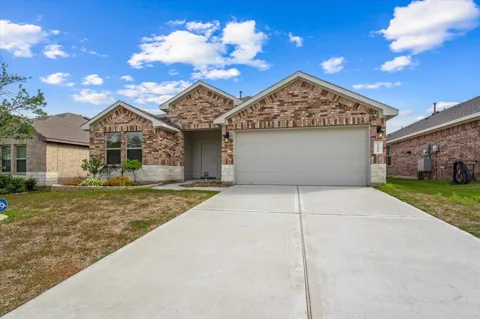
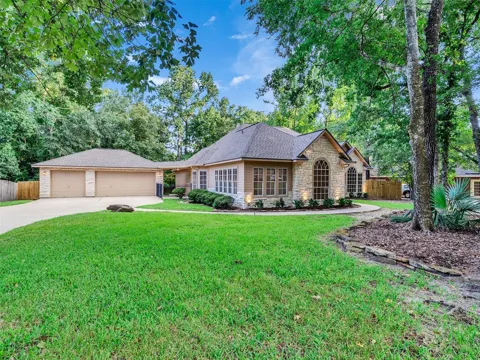
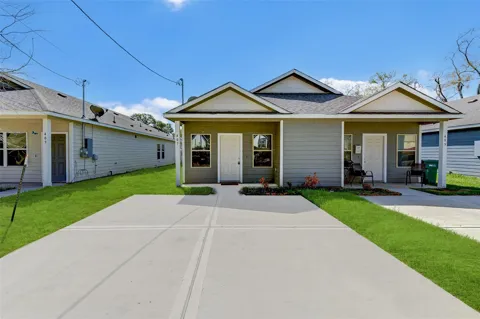
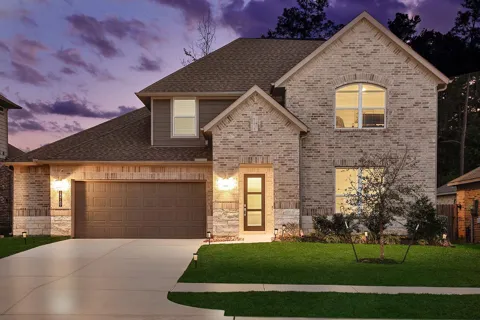
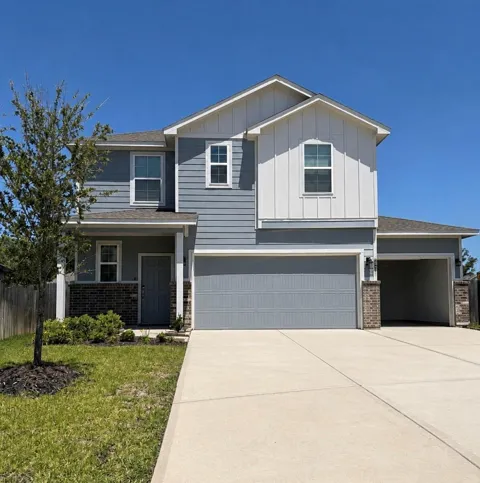
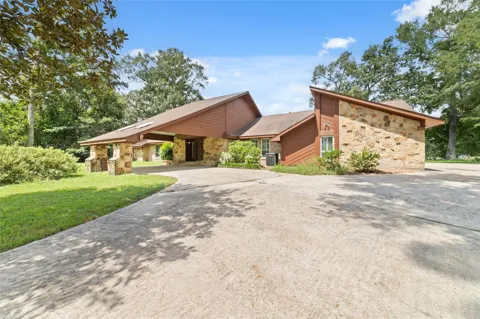
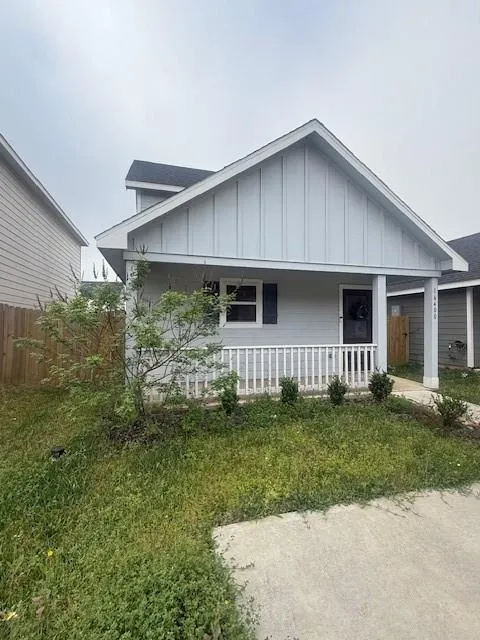
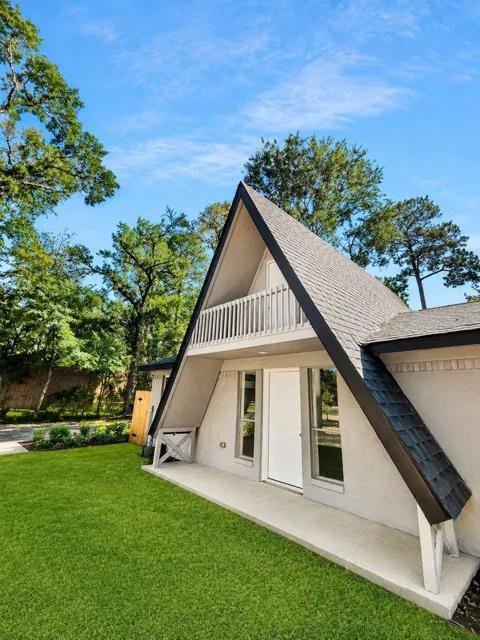
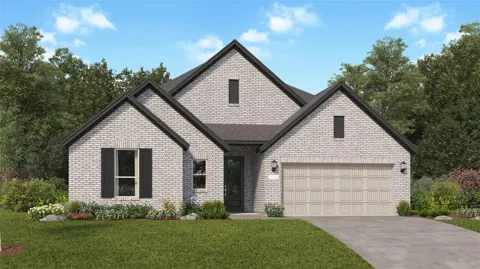
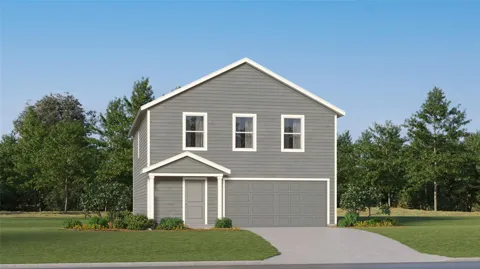
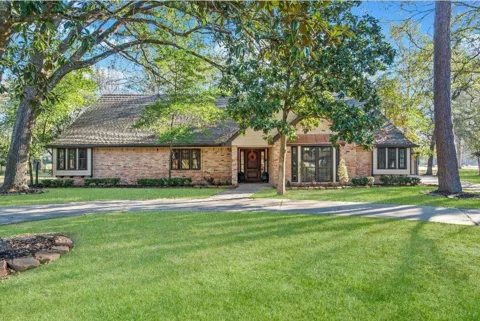
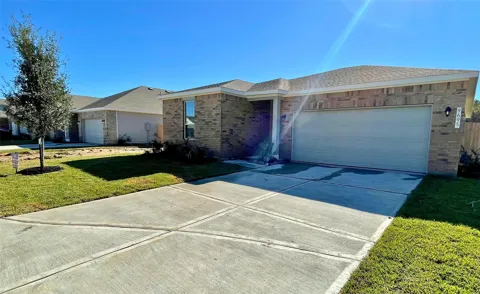
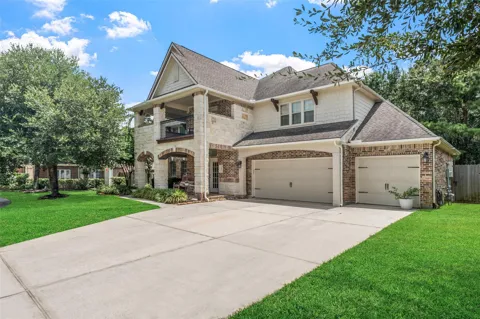
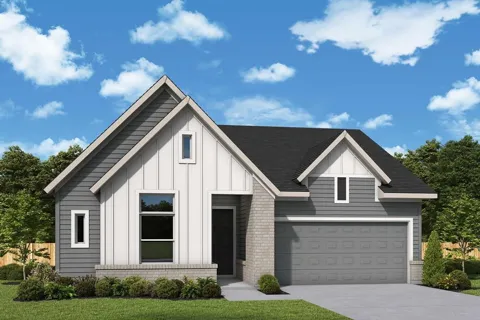
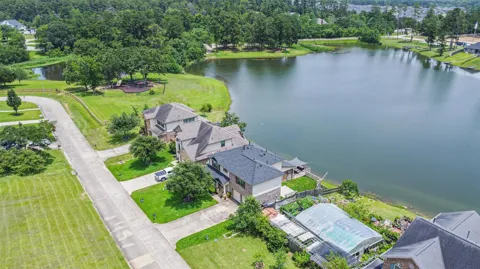
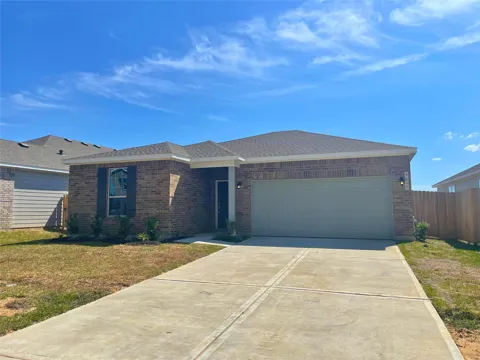
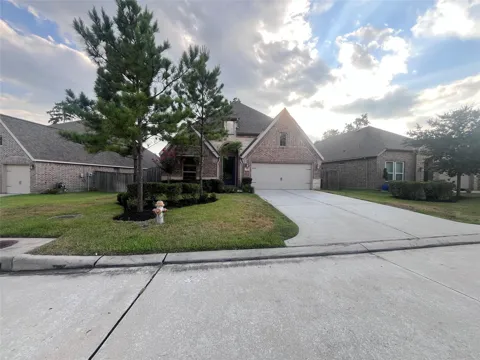
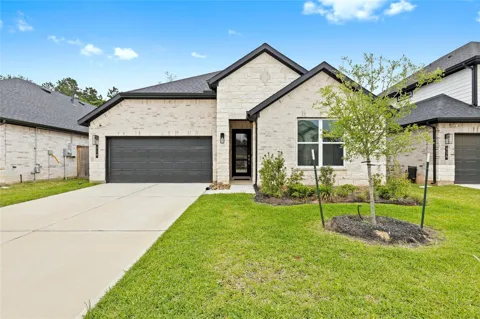
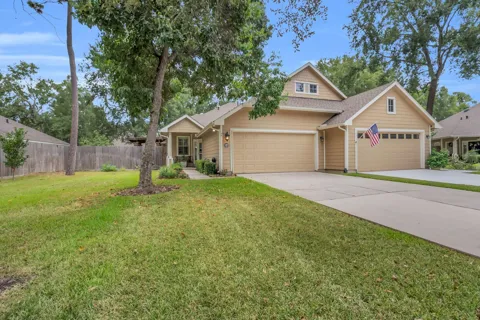
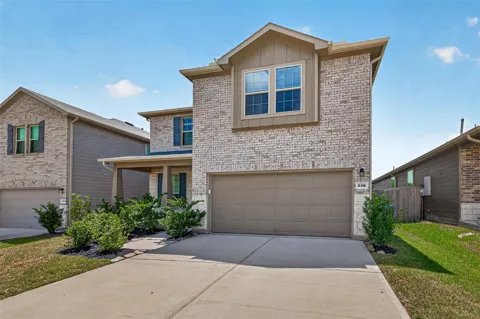
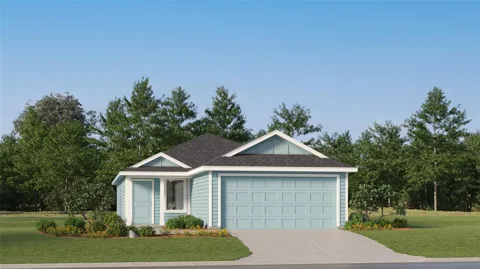
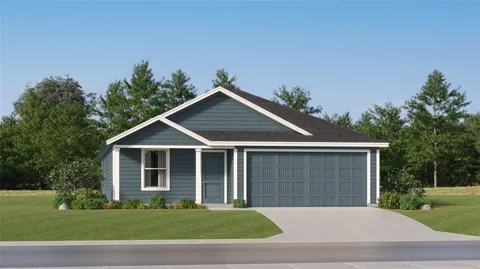
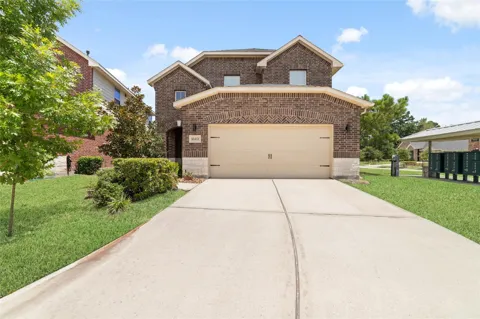
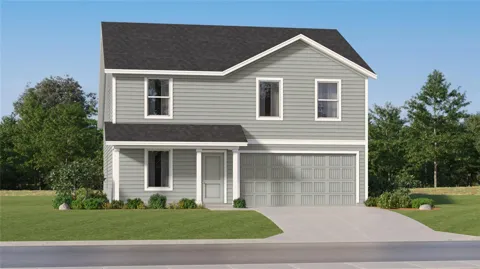
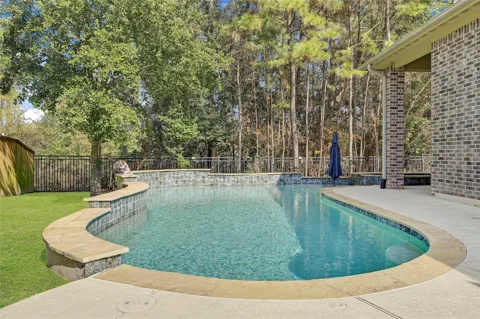
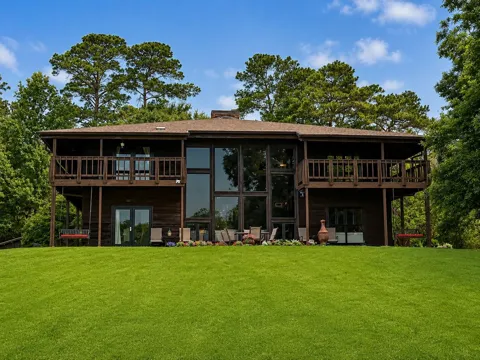
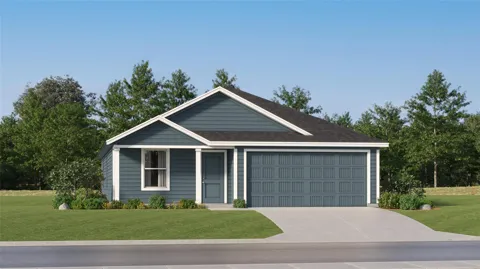
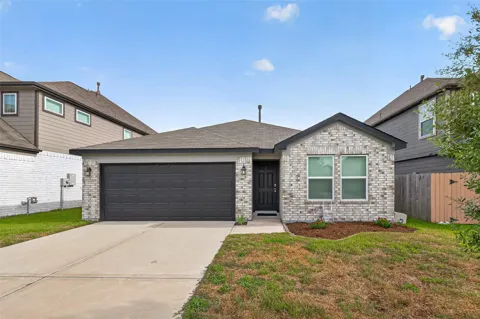
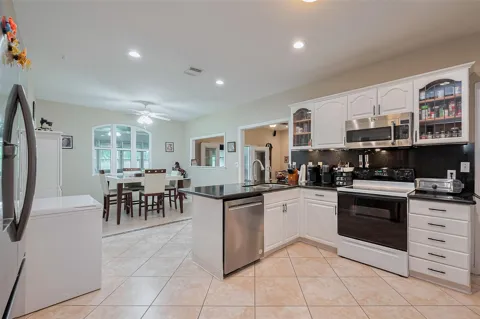
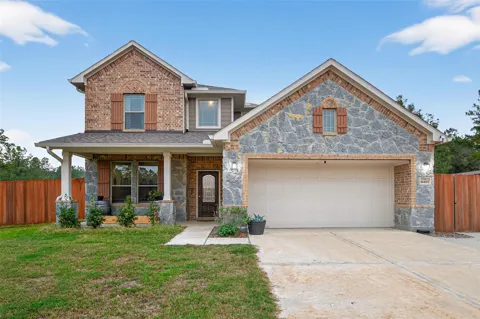
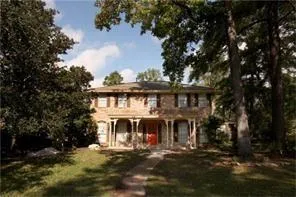
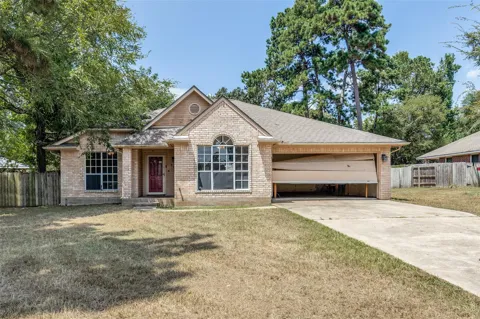
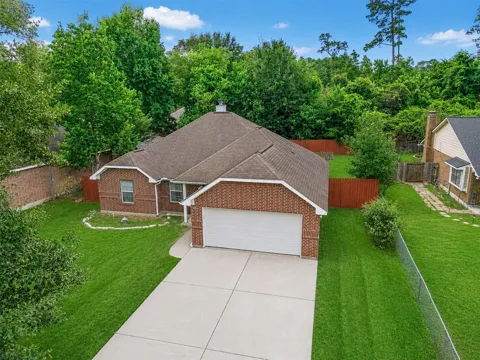
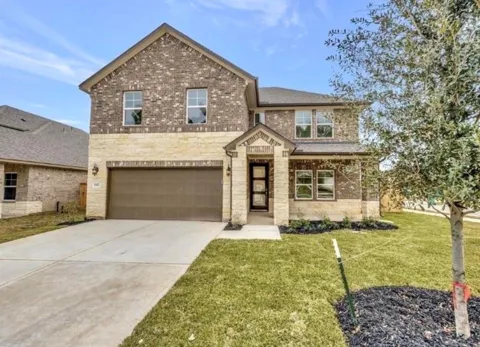
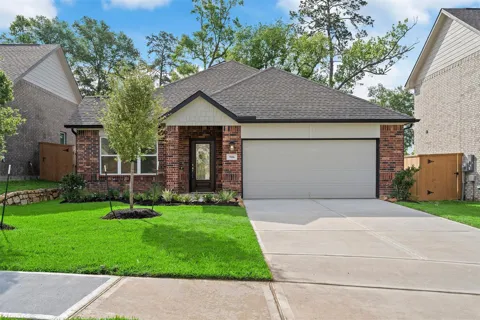
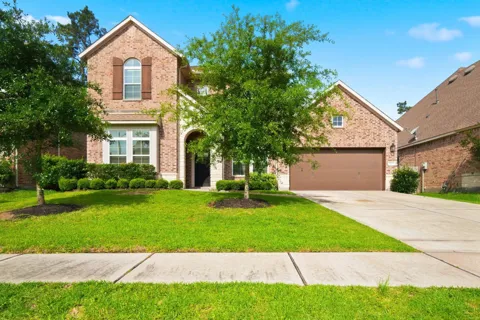
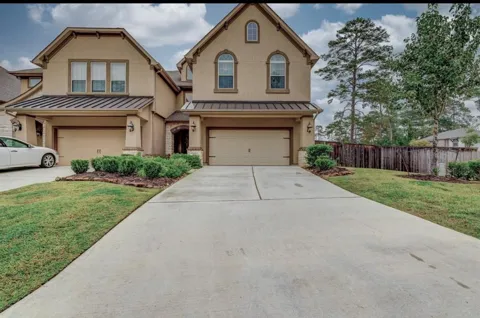
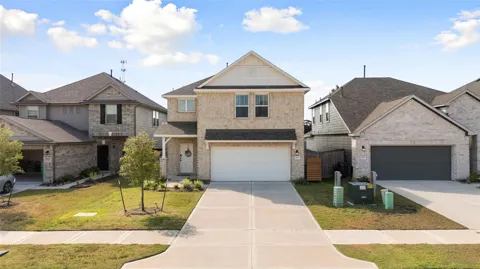
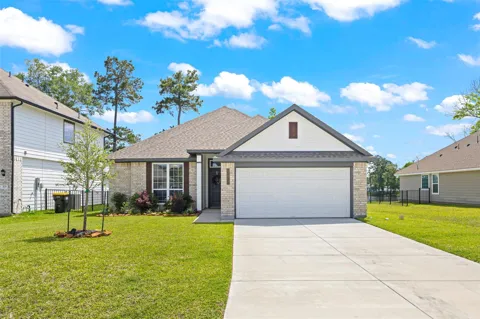
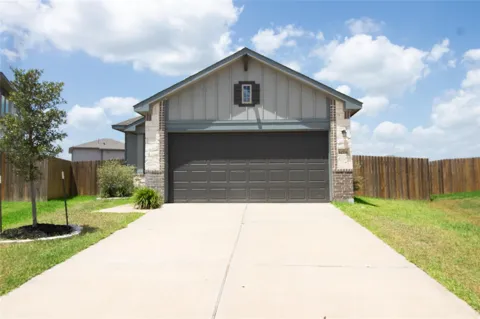
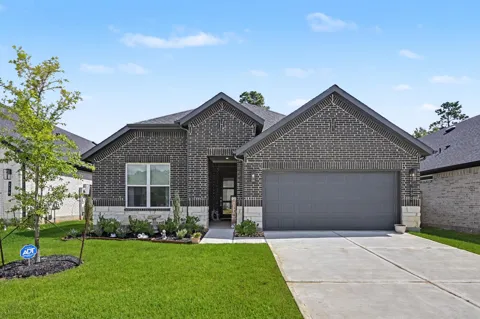
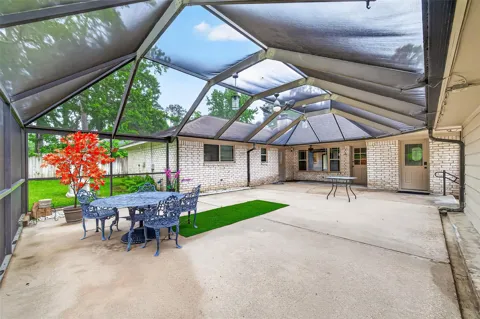
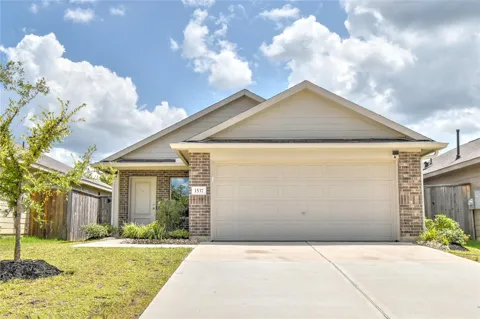
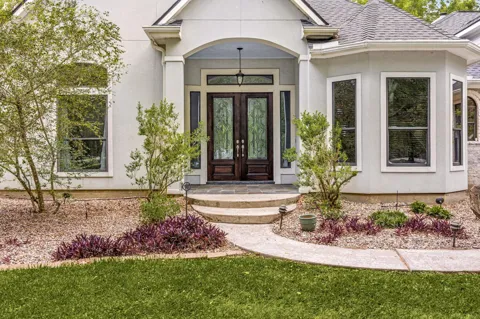
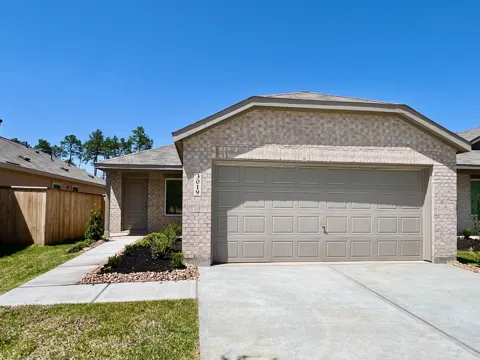
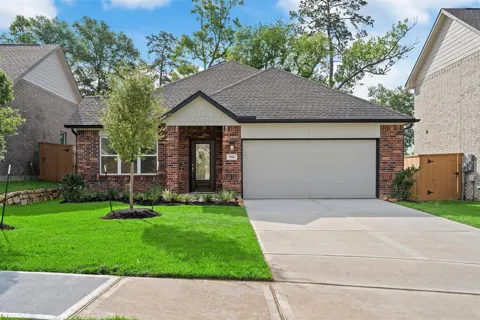
Conroe's housing market is shaped by Lake Conroe and the city's steady northward expansion. Lakefront and lake-access communities — Bentwater, April Sound, Walden, Cape Conroe, and Grand Harbor among them — offer homes ranging from modest weekend cottages to expansive custom estates with private boat docks. Many of these communities include country clubs, golf courses, yacht clubs, and marinas as core amenities. Inland from the lake, Conroe's housing stock spans several eras: mid-century ranch homes in the city's established core, 1980s and 1990s subdivisions with traditional brick homes on standard lots, and newer master-planned developments pushing toward the Montgomery County line. The outer sections of lake communities and areas just off the water often provide more accessible price points for families seeking proximity to the lake without waterfront premiums. A significant share of Conroe's housing is single-family detached, and the city has seen a steady pipeline of new construction as its population continues to climb.
Conroe's neighborhoods fall into two broad categories: lake-oriented communities on the western side and inland subdivisions that extend through and beyond the city core. Bentwater is perhaps the most prominent lakefront community — a gated development on the northern shore of Lake Conroe with a country club, multiple golf courses, a marina, and an active social calendar. April Sound, a long-established community on the southwestern shore, offers a country-club lifestyle with golf, tennis, and a marina on a peninsula setting. Walden, on the southern shore, centers on its yacht club and golf course and provides a broad range of home styles. Cape Conroe, Corinthian Pointe, Del Lago, Grand Harbor, and Seven Coves round out the major lakefront communities. Away from the water, neighborhoods like River Plantation, a deed-restricted community along the San Jacinto River, and newer subdivisions such as Ladera Creek and Stewart's Ranch represent the inland growth pattern. The historic downtown district has also seen renewed residential interest, with older homes near the city center appealing to buyers drawn to walkable access to restaurants, theaters, and events.
Life in Conroe moves between lake and forest, with a historic downtown providing cultural gravity. Weekends often revolve around Lake Conroe — boating and fishing in warmer months, with the lake's marinas and waterfront restaurants serving as gathering points. The Sam Houston National Forest draws hikers, birdwatchers, and hunters across its 163,000 acres, with the Lone Star Hiking Trail offering multi-day backpacking or shorter day hikes. Downtown Conroe has emerged as a dining and entertainment hub in its own right: independently owned restaurants, craft breweries, and live-music venues fill historic storefronts along brick-paved streets. The Crighton Theatre, a 1934 performance hall, anchors the downtown arts scene with musicals and plays, complemented by the Owen Theatre and outdoor concerts at Heritage Place Park. Conroe has earned a Texas Music-Friendly Community designation, and its downtown regularly hosts festivals, farmers markets, and art walks. The Conroe/Lake Conroe area also features golf as a major lifestyle amenity, with multiple courses — public, private, and resort-style — scattered around the lake and throughout the city.
Conroe is served by the Conroe Independent School District (CISD), a large, fast-growing district that covers 348 square miles and enrolls approximately 72,000 students across 64 schools spanning pre-kindergarten through grade 12. The district extends beyond Conroe's city limits to serve The Woodlands, Oak Ridge North, Shenandoah, and portions of surrounding unincorporated Montgomery County. CISD received a score of 84 out of 100 from the Texas Education Agency for the 2022–2023 school year and reports a graduation rate of 97.2 percent. The district offers 26 Career and Technical Education programs and robust dual-credit partnerships, with students earning more than 20,000 college credit hours in the 2023–2024 academic year. Higher education is provided through the Lone Star College System, which operates a campus in Conroe offering associate degrees and workforce training. The regional university landscape includes Sam Houston State University in nearby Huntsville, roughly 30 miles north.
Interstate 45 is Conroe's primary transportation artery, running north-south through the eastern side of the city and providing a direct route to downtown Houston approximately 40 miles to the south. Off-peak travel times to Houston typically range from 35 to 45 minutes, though peak-hour congestion can extend the commute considerably, particularly through The Woodlands corridor. State Highway 105 runs east-west through Conroe, connecting to Montgomery to the west and Cleveland to the east. The Conroe Connection, a city-operated commuter bus service, offers weekday transit to Houston from a park-and-ride lot off I-45. For regional bus service, many commuters also drive to The Woodlands Express stop at Research Forest to catch service into central Houston. Conroe-North Houston Regional Airport (formerly Lone Star Executive Airport) serves general aviation, while George Bush Intercontinental Airport is roughly 35 miles south via I-45 and the Hardy Toll Road. Most daily transportation within Conroe is car-dependent, with the city's spread-out geography and lake-oriented neighborhoods making personal vehicles the default for errands, school runs, and recreation.
Lake Conroe is Conroe's defining recreational asset. The 21,000-acre reservoir supports boating, jet-skiing, fishing for largemouth bass and catfish, and swimming at designated areas along its 157-mile shoreline. Multiple marinas provide boat rentals, fuel, and supplies, while lakeside restaurants and bars create a social scene on the water. The Sam Houston National Forest, bordering the city's northern edge, encompasses 163,000 acres of pine and hardwood forest with trail systems for hiking, mountain biking, and horseback riding. The Lone Star Hiking Trail — a 128-mile National Recreation Trail — runs through the forest and is the longest continuous footpath in Texas. City-operated parks include Candy Cane Park, a centrally located green space with playgrounds, a skate park, and sports fields, and the Conroe Aquatic Center. Golfers can access numerous courses around the lake and within the city, including the country-club courses at Bentwater, April Sound, and Walden, as well as public options. Houston's Gulf Coast beaches at Galveston are about an hour and a half away, making day trips feasible. The city also hosts events like the Conroe Catfish Festival, which brings live music and a parade to downtown each October.
MARKET SNAPSHOT
How homes have been selling here over the last 90 days.
Market data reflects closed sales over the last 90 days and is provided for informational purposes.
EXPLORE COMMUNITIES
Browse the neighborhoods and subdivisions in this area.
BROWSE BY ZIP
Browse listings by postal code in this area.