Rio Grande Border Crossroads
The Maverick County seat on the Rio Grande, a historic border port of entry linked to Piedras Negras, Mexico, by bridge and by generations of shared culture.
Eagle Pass is the county seat of Maverick County, Texas, situated on the Rio Grande in the South Texas border region, directly across from Piedras Negras, Coahuila, Mexico. It is one of the state's long-standing international ports of entry, and its identity is inseparable from the river and the border it straddles. The area's recorded history begins in the 1840s, when Fort Duncan was established in 1849 to secure the Texas frontier. The settlement that grew around the post was known as "El Paso de Aguila" — Eagle Pass — a name drawn from the abundant birds of prey along the river. After a lawless early period, the arrival of the Galveston, Harrisburg and San Antonio Railway in 1882 tied the town to the national rail network, with track extended into Mexico at Piedras Negras, and Eagle Pass became an important international trade center. Today Eagle Pass functions as the governmental, commercial, and educational center of Maverick County. Its economy rests on healthcare, education, retail, and the movement of goods and people across the international bridges, with the Camino Real International Bridge serving as a key crossing between Texas and northern Mexico. The Kickapoo Traditional Tribe of Texas, headquartered in the area, operates the Kickapoo Lucky Eagle Casino, a significant regional employer and destination. The community is predominantly Hispanic and proudly bicultural, with strong family ties on both sides of the river. Eagle Pass Independent School District serves local students, and Southwest Texas Junior College maintains a campus in the city. With its warm climate, affordable living, and deep-rooted cross-border character, Eagle Pass offers a distinctive South Texas lifestyle for those drawn to the region's history and culture.
Eagle Pass is the county seat of Maverick County, Texas, located on the Rio Grande in the state's South Texas border region. It sits directly across the river from the Mexican city of Piedras Negras, Coahuila.
Eagle Pass is known as a historic border port of entry, founded around Fort Duncan and connected to Piedras Negras, Mexico, by international bridges. Its name comes from the abundant birds of prey, or the eagle-shaped hillside, that early travelers observed along the Rio Grande.
Eagle Pass sits on the U.S.-Mexico border, directly across the Rio Grande from Piedras Negras, Coahuila. The Camino Real International Bridge and a second international bridge connect the two cities, and Eagle Pass is described as the fastest route between San Antonio and Mexico.
Eagle Pass is served by the Eagle Pass Independent School District for kindergarten through twelfth grade. Higher education is available locally through a campus of Southwest Texas Junior College, a public two-year college.
Eagle Pass offers Fort Duncan Park, a restored 1849 military post, and outdoor recreation at Maverick County Lake. The Kickapoo Lucky Eagle Casino, operated by the Kickapoo Traditional Tribe of Texas, sits nearby, and the sister city of Piedras Negras offers dining, shopping, and cultural attractions across the border.
City Guide
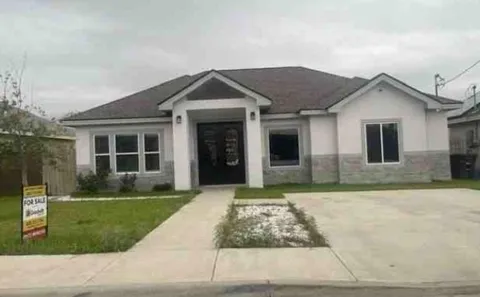
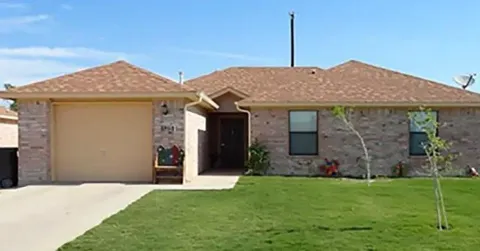
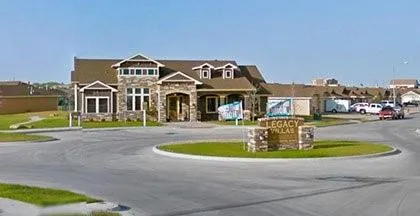
Eagle Pass offers a housing market that is notably affordable by Texas standards, with a mix of older single-family homes in established neighborhoods, newer subdivisions on the city's edges, and some rural acreage in the surrounding Maverick County countryside. The housing stock reflects the city's growth from a frontier garrison into a modest regional center, with many mid-century brick homes and more recent tract construction. The low cost of living and inexpensive housing are frequently cited among the city's primary draws. Most residents are homeowners, and the market serves a working- and middle-class population employed in education, healthcare, retail, and border-related commerce, with cross-border ties adding a distinctive dynamic to local real estate demand.
Eagle Pass is laid out around its historic center near the Rio Grande, where Fort Duncan Park and the downtown commercial district sit close to the international bridges. Residential neighborhoods radiate outward, mixing older, established blocks near the center with newer subdivisions to the north and east along the city's growth corridors. Because the city is a compact regional seat, most neighborhoods are within a short drive of schools, shopping, and the bridge crossings. The surrounding Maverick County landscape is ranch and brush country, and some residents live on larger lots just beyond the city limits. The overall layout is practical and car-oriented, reflecting Eagle Pass's role as the commercial and governmental hub of the county.
Life in Eagle Pass is shaped by the Rio Grande and the border it marks. The city shares a deep, everyday connection with Piedras Negras, its Mexican sister city, and residents move easily between the two for shopping, dining, family, and work. The culture is bicultural and bilingual, with Mexican and Texan traditions woven together in food, festivals, and daily life. Eagle Pass is a close-knit, family-oriented community where public schools, churches, and local institutions anchor social life. The pace is unhurried, the cost of living is comparatively low, and the climate is hot and semi-arid. It is a place defined less by big-city amenities than by its role as a genuine international crossroads and by a strong sense of local identity.
Eagle Pass is served by the Eagle Pass Independent School District, which operates elementary, middle, and high schools for the city and surrounding areas; the district is generally regarded as one of the stronger public systems in the region. Higher education is available through a campus of Southwest Texas Junior College, a public two-year college offering programs in business, healthcare, and the arts, giving local students a path to associate degrees and workforce credentials without leaving the community. A number of graduates continue to four-year universities elsewhere in Texas. The schools, along with county government and healthcare, are among the city's largest employers and a focal point of community life.
Eagle Pass is a major border crossing and regional transportation hub. U.S. Highway 57 runs through the city, connecting it to San Antonio and providing what the city describes as the fastest route between San Antonio and Mexico, while U.S. Highway 277 links north toward Del Rio. The Camino Real International Bridge and a second international bridge carry vehicles and pedestrians across the Rio Grande to Piedras Negras, Coahuila, supporting heavy commercial traffic. Freight rail, dating to the 1882 arrival of the Galveston, Harrisburg and San Antonio Railway, continues to serve cross-border trade. Maverick County Memorial International Airport provides general aviation service, and most long-distance passenger travel routes through San Antonio, about 140 miles to the northeast.
Recreation in Eagle Pass blends local outdoors with cross-border culture. Fort Duncan Park preserves the restored 1849 military post and offers green space in the heart of the city, while Maverick County Lake provides fishing, boating, and picnicking a short drive away. Hunting and ranchland recreation are part of life in the surrounding brush country. The Kickapoo Lucky Eagle Casino, operated by the Kickapoo Traditional Tribe of Texas, draws visitors for gaming and entertainment. Across the river, Piedras Negras adds its own attractions, including the Plaza de las Tres Culturas and well-known northern Mexican cuisine, and its nickname "The Door to Mexico" hints at the deeper travel opportunities beyond.
MARKET SNAPSHOT
How homes have been selling here over the last 90 days.
Market data reflects closed sales over the last 90 days and is provided for informational purposes.
BROWSE BY ZIP
Browse listings by postal code in this area.