Energy Capital of Texas
Welcome to Houston, the Harris County seat and the fourth-largest city in the United States, where a global energy economy meets a celebrated arts, dining, and parks scene.
Houston is the county seat of Harris County and the most populous city in Texas, with roughly 2.4 million residents spread across more than 670 square miles of the Gulf Coast plain. As the fourth-largest city in the United States, it functions as the anchor of a metro area that extends well beyond the city limits and draws residents from across the country and the world. A network of bayous threads through Houston's neighborhoods and feeds the Houston Ship Channel, which links the city to the Gulf of Mexico and to one of the nation's busiest ports. The city's economy is broad and deep. The energy industry, long synonymous with Houston, is complemented by the Texas Medical Center, a major employment and research cluster, and by the logistics and trade activity connected to the Port of Houston and the region's airports. That economic diversity shows up in a highly international population, which supports one of the most varied dining scenes in the country, from Tex-Mex and Gulf seafood to Vietnamese, Indian, and West African cuisines. Culturally, Houston is anchored by its Museum District, a compact cluster of nearly twenty institutions southwest of downtown that includes art, science, and natural-history museums, set beside Hermann Park and the Houston Zoo. Downtown performance venues anchor the performing arts, and neighborhood corridors in Montrose, the Heights, and Midtown sustain a dense network of independent restaurants, galleries, and bars. Residentially, Houston offers an unusually wide spectrum. Historic neighborhoods such as the Heights and Eastwood preserve early-20th-century homes in Craftsman, Foursquare, and Mission Revival styles, while Midtown and East Downtown mix condominiums, townhomes, and repurposed industrial lofts. Farther out, communities along the Energy Corridor and master-planned suburbs such as Katy provide newer single-family housing. Public education is led by Houston ISD, and transportation relies on an extensive freeway network complemented by METRO's buses and light rail and two major airports.
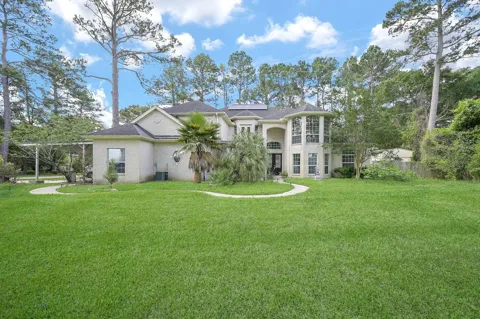
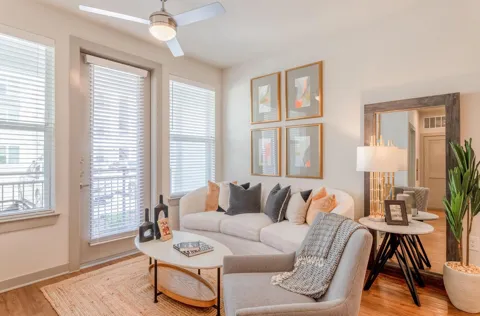
Houston is the county seat of Harris County, Texas, and its roughly 2.4 million residents make it the most populous city in the state and the fourth-largest in the United States. The city covers more than 670 square miles, and portions of its metro area extend into surrounding counties such as Fort Bend and Montgomery.
Most of the city falls within Houston ISD, the seventh-largest district in the nation with roughly 210,000 students across more than 280 campuses. Because Houston's boundaries are large and irregular, some neighborhoods are served by neighboring districts, and many charter and private schools operate across the city. School assignment depends on the specific street address.
The Heights, Montrose, Midtown, the Museum District, and East Downtown (EaDo) are among the central neighborhoods people mention most. The Heights is known for its historic homes, Montrose for arts and dining, Midtown for walkability and transit access, and EaDo for repurposed warehouses near downtown. The Energy Corridor and Katy anchor family-oriented communities to the west.
Houston is a car-oriented city organized around freeways such as I-10, I-45, and I-69. METRO provides local and Park & Ride buses and light-rail service, and two airports, George Bush Intercontinental and William P. Hobby, serve the area. Inner-loop neighborhoods offer the most walkable and transit-connected living in the region.
Houston is known for its energy industry, the Texas Medical Center, and the Port of Houston, as well as one of the nation's most diverse dining scenes. Its Museum District, Hermann Park, and Memorial Park anchor the city's cultural and outdoor life, and it ranks as the fourth-largest city in the United States.
City Guide
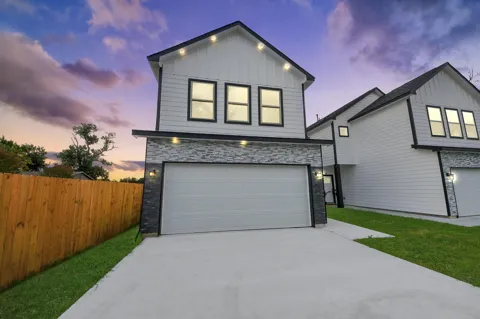
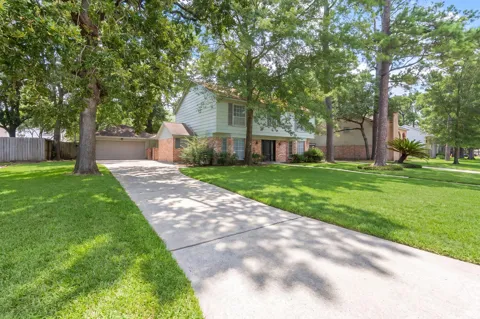
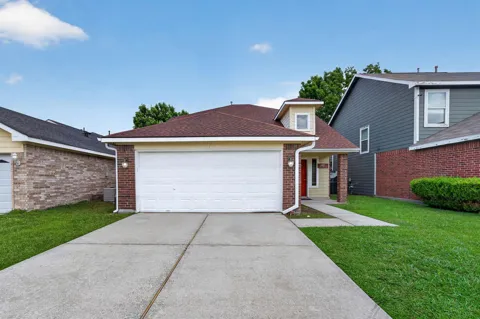
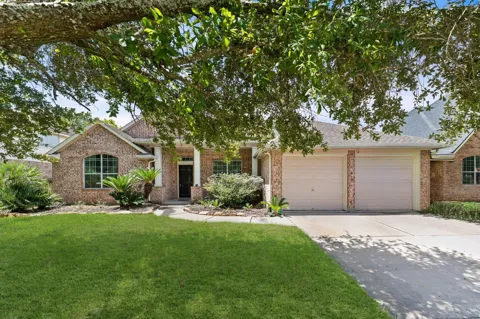
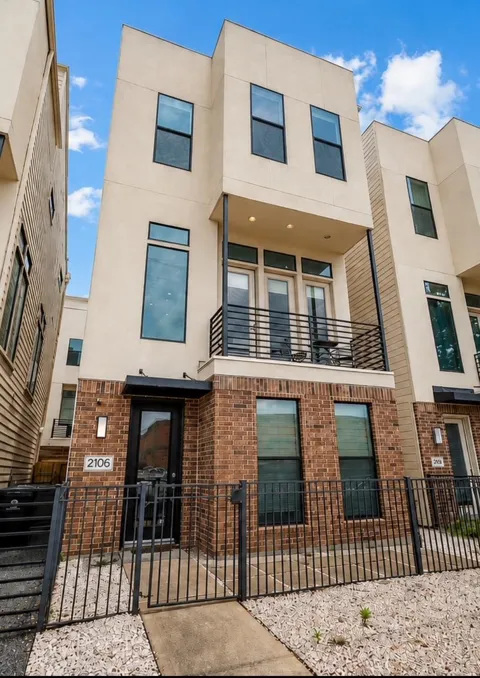
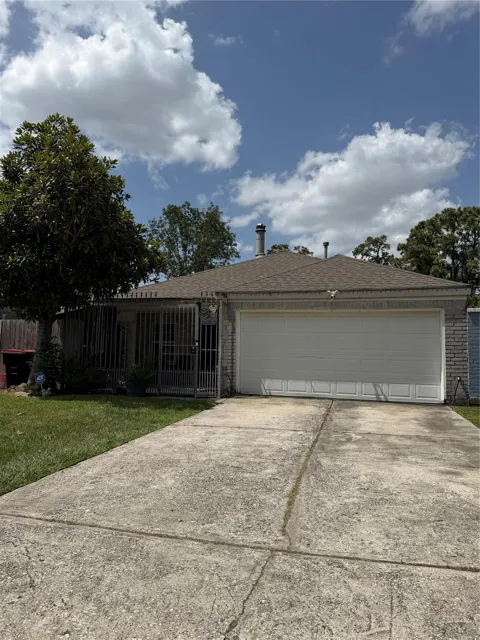
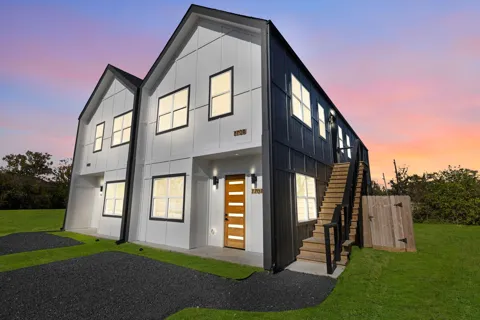
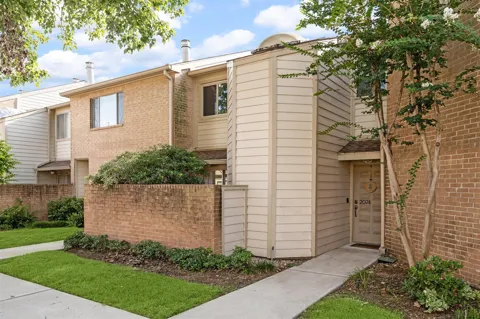
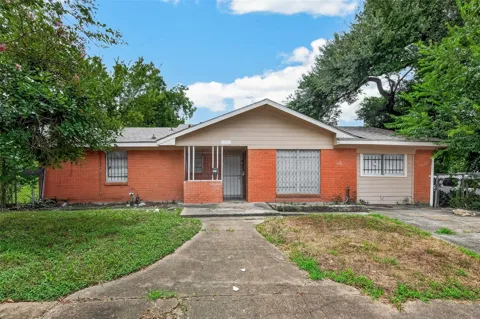
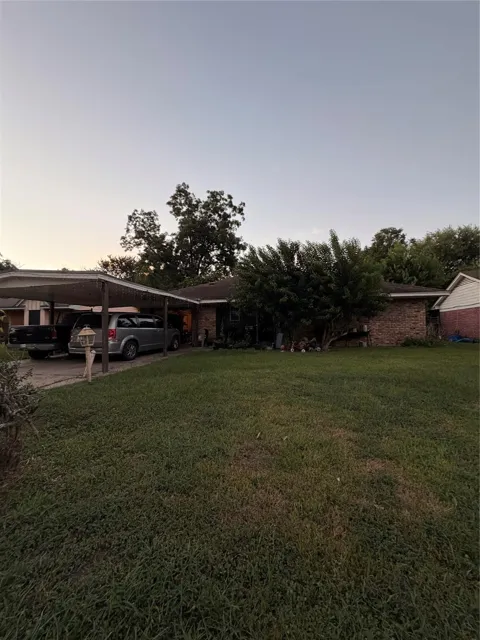
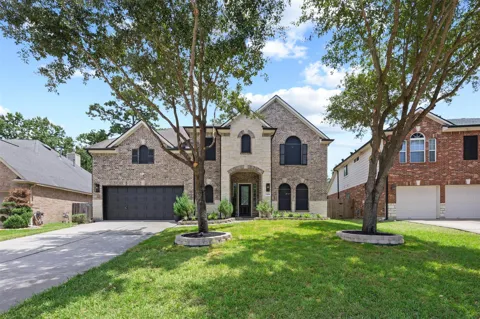
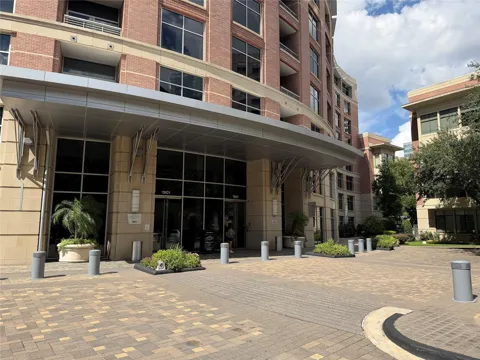
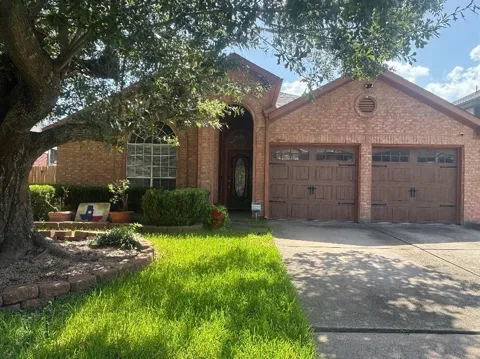
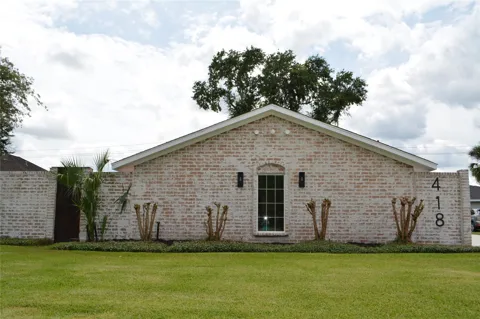
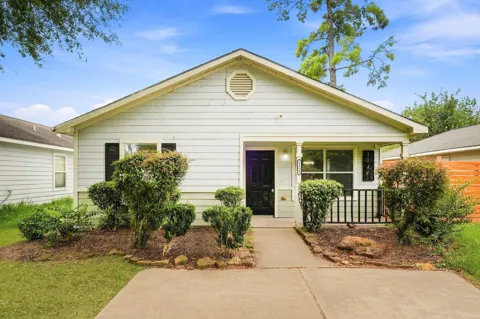
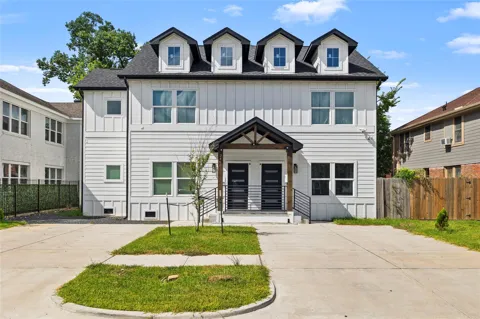
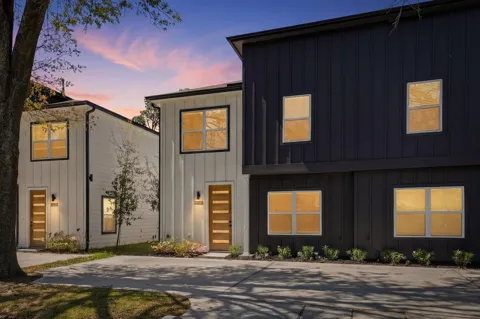
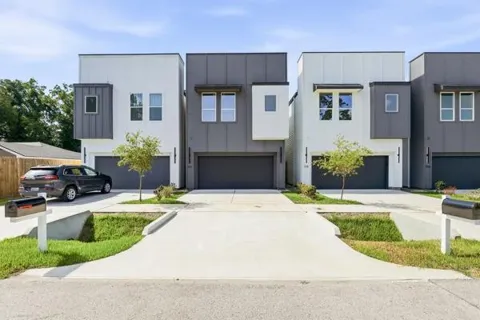
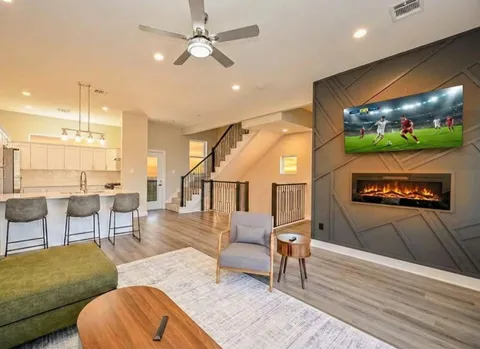
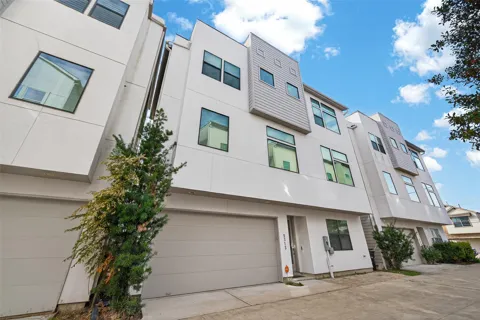
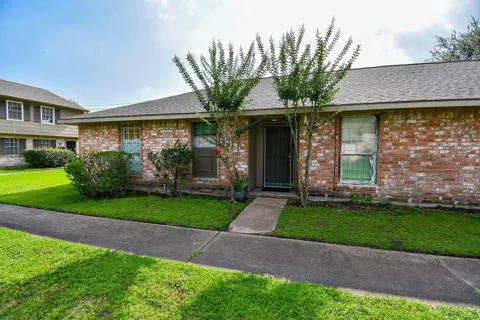
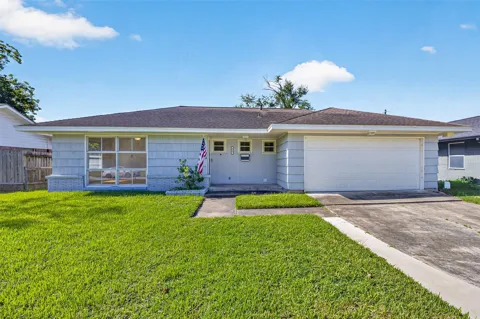
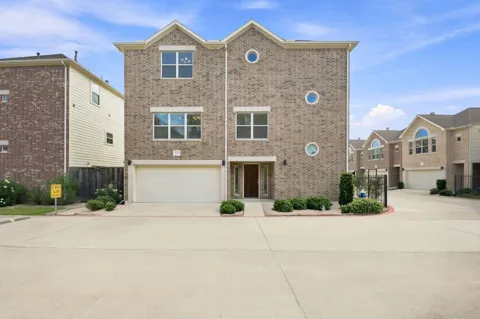
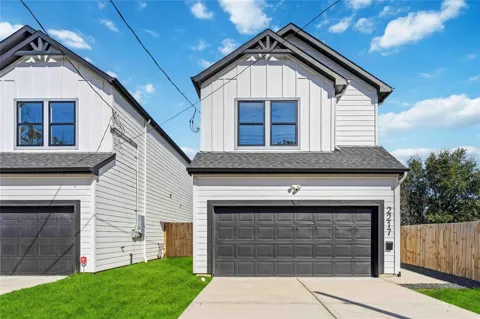
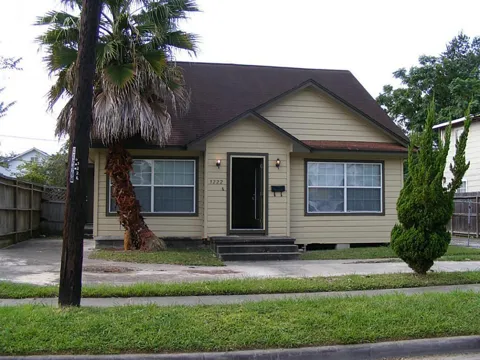
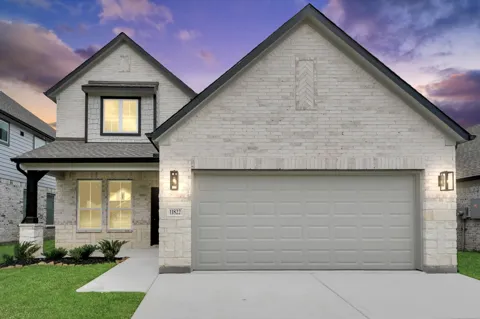
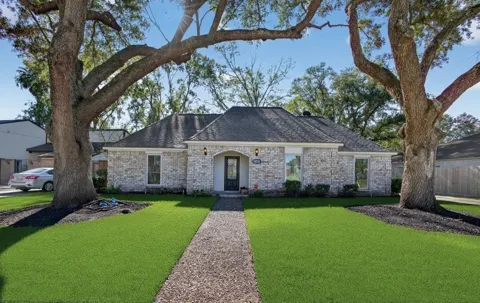
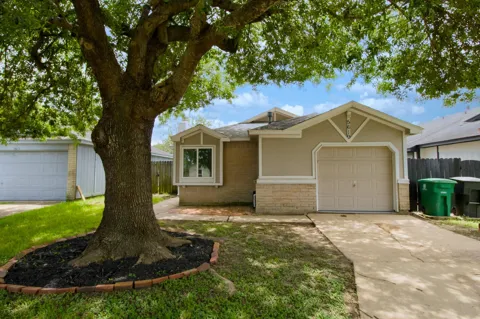
Houston's housing stock spans more than a century of construction and a wide range of styles. Historic neighborhoods such as the Heights and Eastwood retain early-20th-century homes in Craftsman, Foursquare, Queen Anne, and Mission Revival styles, while Midtown and East Downtown mix townhomes, condominiums, and repurposed warehouse lofts. Farther from the center, neighborhoods offer ranch-style and contemporary single-family homes on larger lots, and master-planned communities such as Katy provide newer construction with community amenities. The city's permissive approach to land use means density varies considerably from block to block, giving homebuyers an unusually broad menu of housing types within a short distance of downtown.
Houston's neighborhoods each carry a distinct identity. The Heights, one of the city's earliest planned communities, is known for its historic homes and tree-lined streets. Montrose anchors the city's arts, dining, and nightlife with a mix of bungalows and mid-rise apartments. Midtown offers walkable access to downtown and rail transit, while East Downtown (EaDo) blends converted warehouses with restaurants and venues near Shell Energy Stadium. The Museum District pairs cultural institutions with Hermann Park and the Houston Zoo, and Uptown centers on the Galleria's retail and office cluster. To the west, the Energy Corridor and suburbs like Katy anchor family-oriented communities with newer housing.
Houston's culture is defined by its scale and diversity. The Museum District packs nearly twenty museums into a walkable area southwest of downtown, alongside Hermann Park and the Houston Zoo. The dining scene is among the most varied in the country, reflecting the city's international population with Tex-Mex, Gulf seafood, and cuisines from across Asia, Africa, and Latin America. Downtown's theaters and performance venues anchor the performing arts, while Montrose, the Heights, and Midtown support dense corridors of independent restaurants, bars, and galleries. Professional baseball, basketball, and football teams play downtown and nearby, and Shell Energy Stadium hosts professional soccer east of downtown.
Public education in Houston is anchored by Houston ISD, the city's largest district and the seventh-largest in the nation, serving roughly 210,000 students across more than 280 campuses. Because the city limits are large and irregular, some neighborhoods are served by neighboring districts, and a substantial network of charter and private schools adds options across the city. The area's higher-education institutions include major research universities and community college systems. For relocating families, school assignment varies by street address, so the district serving a particular home depends on its specific neighborhood.
Houston is organized around an extensive freeway network, with Interstates 10, 45, and 69 and U.S. 59, 290, and the Beltway moving traffic across a sprawling metro area. METRO operates the region's public transit, including local and Park & Ride buses and light-rail lines serving downtown and nearby districts. Two commercial airports serve the area: George Bush Intercontinental to the north and William P. Hobby to the southeast, with highway and transit links to the center. The car remains the primary way to get around for most residents, though inner-loop neighborhoods offer the region's most walkable and transit-connected living.
Parks and green space are woven through Houston's core. Memorial Park, a 1,500-acre urban wilderness near the center of the city, offers extensive hiking and biking trails plus golf, tennis, and swimming. Hermann Park, beside the Museum District, pairs formal gardens and a lake with the Houston Zoo, while Discovery Green brings a programmed downtown green space for festivals and events. The city's bayou network, including Buffalo Bayou, provides linear parks and trails for walking and cycling. Beyond the core, the parks department maintains hundreds of neighborhood parks, and nearby state parks and Gulf Coast destinations extend weekend recreation options.
MARKET SNAPSHOT
How homes have been selling here over the last 90 days.
Market data reflects closed sales over the last 90 days and is provided for informational purposes.
EXPLORE COMMUNITIES
Browse the neighborhoods and subdivisions in this area.
BROWSE BY ZIP
Browse listings by postal code in this area.