Fort Bend County Seat on the Brazos
Welcome to Richmond, the Fort Bend County seat set along the Brazos River, where a preserved 19th-century downtown meets the master-planned communities of Houston's southwestern suburbs.
Richmond is the seat of Fort Bend County, Texas, and one of the older cities in the Houston region, sitting along the Brazos River roughly 30 miles southwest of downtown Houston. Established in 1837, it developed as a cotton and livestock trading hub on the river, and much of its identity still revolves around that early-Texas heritage. The compact city anchors the western side of one of the country's most ethnically diverse suburban counties, while a much larger unincorporated area around it carries Richmond mailing addresses and is home to several large master-planned communities. Downtown Richmond remains one of the best-preserved 19th-century streetscapes in southeast Texas. Its centerpiece is the 1908 Fort Bend County Courthouse, designed by C.H. Page in the Texas Renaissance style, whose copper dome and rotunda are visible for miles. Around it sit restored brick storefronts, the Fort Bend Museum, and older neighborhoods that date to the city's earliest decades. This historic core gives Richmond a county-seat character that distinguishes it from the newer suburban development surrounding it. Beyond the historic center, the greater Richmond area functions as a residential suburb of Houston. Master-planned communities with golf courses, lakes, and amenity centers — Pecan Grove Plantation and Veranda among them — draw families and commuters seeking more land and newer homes than are typical closer to the city center. The area's growth is tied closely to Fort Bend County's broader expansion and to highway access along the Southwest Freeway corridor. Richmond suits households that want a connection to Texas history and a small-town downtown while remaining within commuting distance of Houston's employment centers. Its residents span long-established Fort Bend families and newer arrivals, and the school district, Lamar Consolidated ISD, is a central organizing institution for family life. Recreation is close at hand: Brazos Bend State Park, with its alligator habitat, trails, and public observatory, and the George Ranch Historical Park, a working living-history site founded in 1824, both sit a short drive away.
Richmond is located in Fort Bend County, Texas, and serves as the county seat. The city sits along the Brazos River in the southwestern portion of the Houston–The Woodlands–Sugar Land metropolitan area. Fort Bend County is one of the largest and most diverse suburban counties in the Houston region, and Richmond anchors its western side while neighboring Sugar Land, Rosenberg, and Missouri City make up other major population centers.
Richmond is served by Lamar Consolidated Independent School District, commonly called Lamar CISD or LCISD. The district covers almost 43 percent of Fort Bend County and operates elementary, middle, and high school campuses across the greater Richmond area. Families should verify individual campus zoning by subdivision, since much of the Richmond postal area lies in unincorporated Fort Bend County and assignments can vary by community.
Richmond sits roughly 30 miles southwest of downtown Houston. Drivers typically reach central Houston via US-59/I-69, and US-90A and the Grand Parkway (SH 99) connect Richmond to Sugar Land, Katy, and other suburbs. Fort Bend Transit also runs express park-and-ride service to the Texas Medical Center, Galleria, and Greenway Plaza for commuters.
Richmond is known as the county seat of Fort Bend County and for its well-preserved 19th-century downtown, anchored by the 1908 Fort Bend County Courthouse with its distinctive copper dome. The city is also a gateway to Brazos Bend State Park, known for alligator habitat and the George Observatory, and to the George Ranch Historical Park, a living-history site tracing four generations of Texas ranch life.
Richmond's location about 30 miles from downtown Houston, combined with access to US-59/I-69, US-90A, and the Grand Parkway, makes it a practical base for Houston-area commuters. Fort Bend Transit's express park-and-ride routes serve major employment centers including the Texas Medical Center and the Galleria, and the surrounding master-planned communities are oriented around highway access to Sugar Land, Katy, and central Houston.
The historic downtown district is Richmond's original core, with restored 19th-century buildings and the county courthouse. Master-planned communities define much of the surrounding area, including Pecan Grove Plantation, a golf-course community built from the 1970s, and Veranda, a newer community near US-59 and the Grand Parkway. Many additional subdivisions in the Richmond postal area sit in unincorporated Fort Bend County.
City Guide
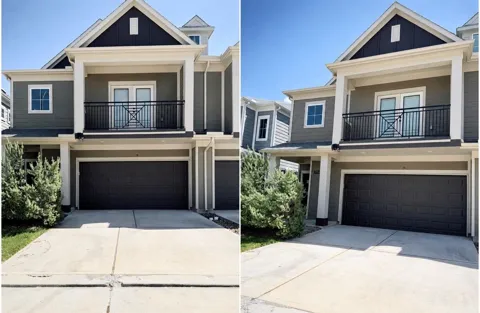
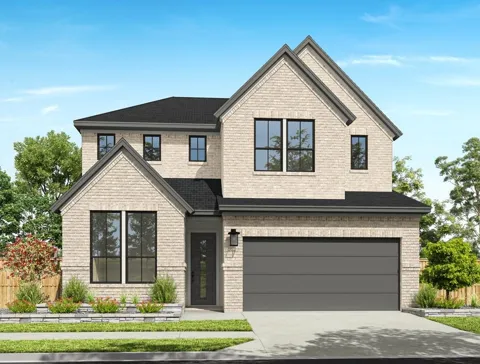
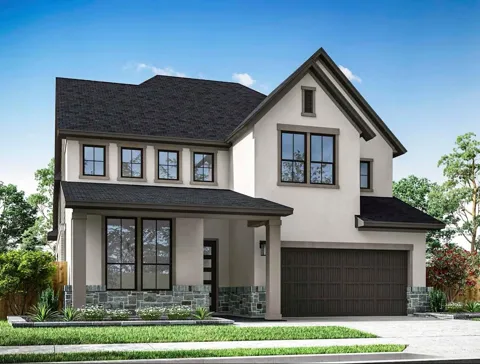
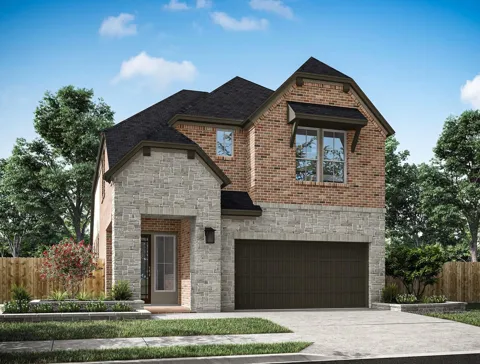
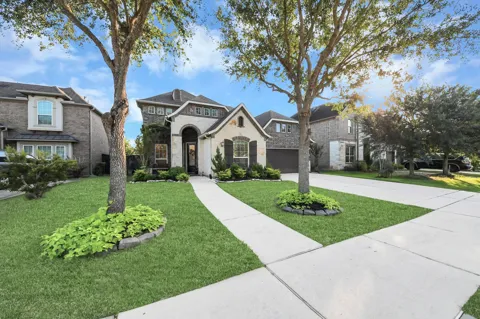
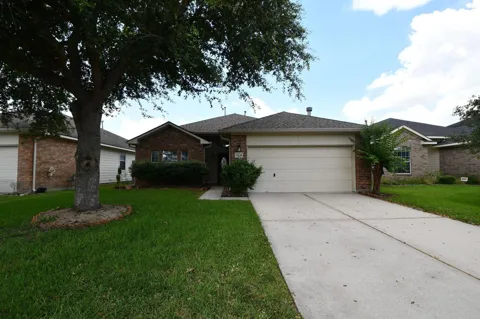
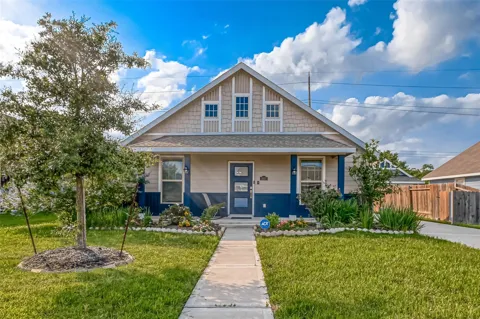
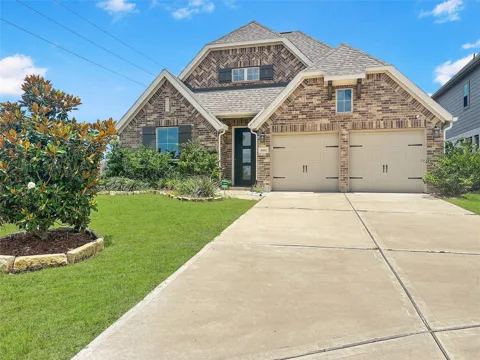
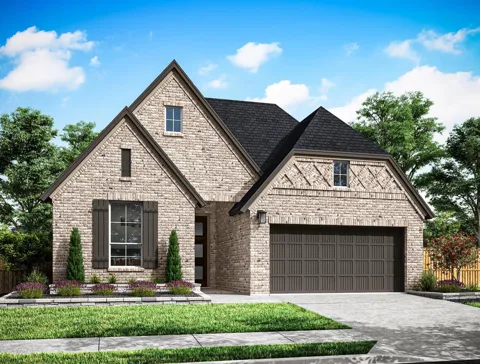
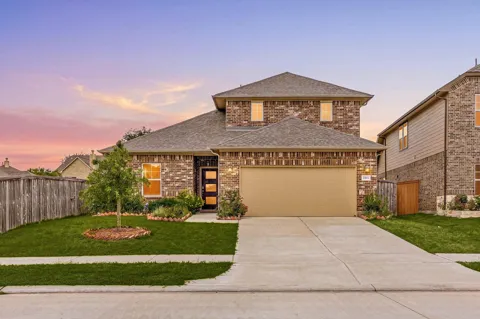
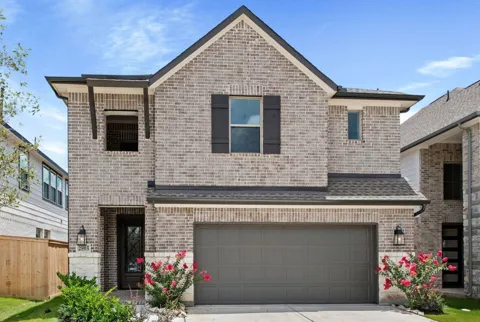
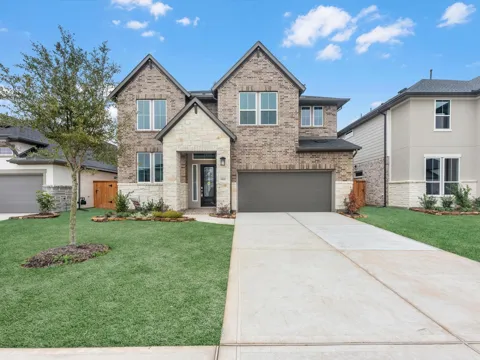
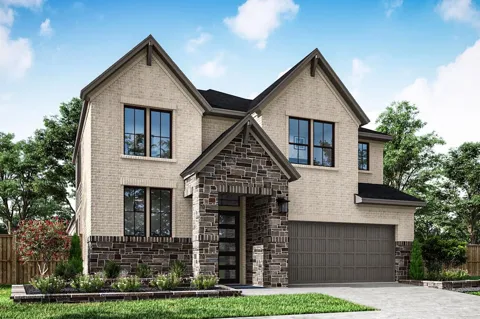
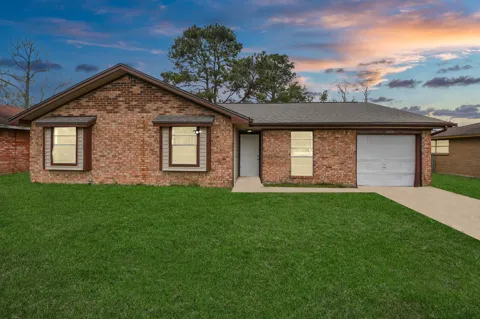
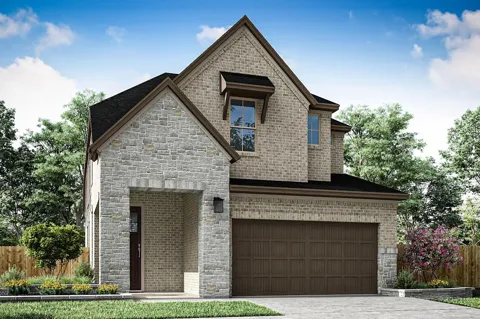
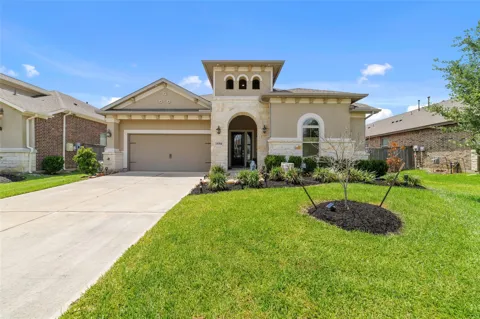
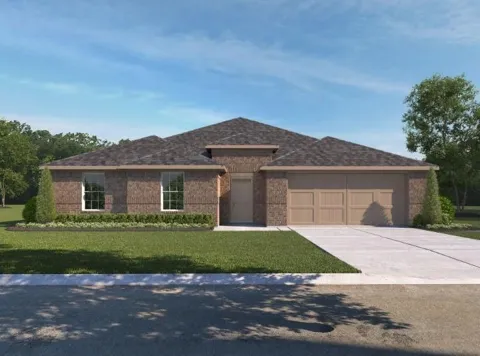
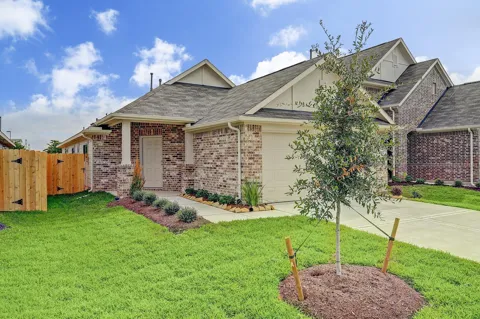
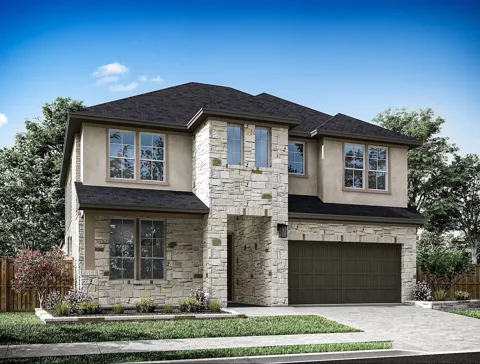
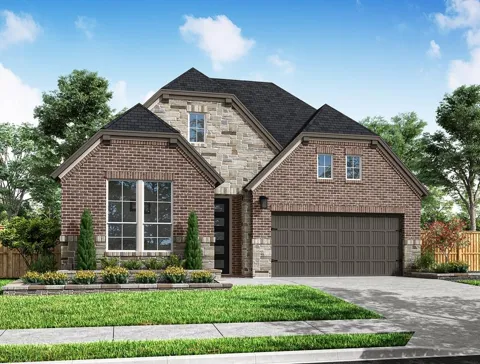
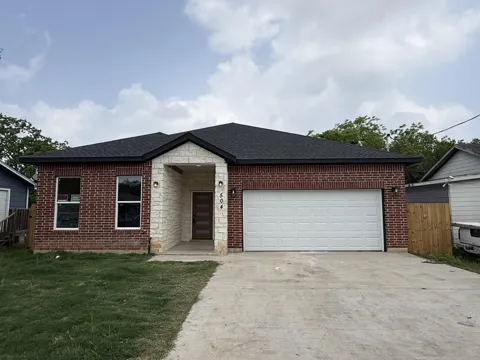
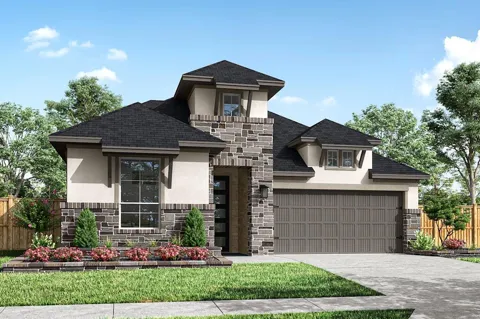
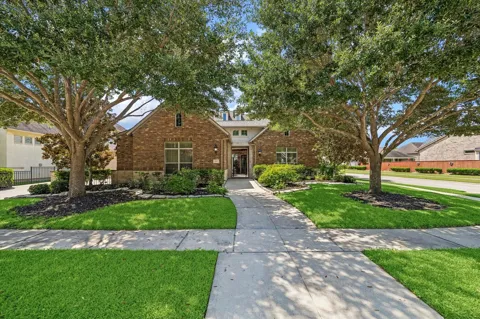
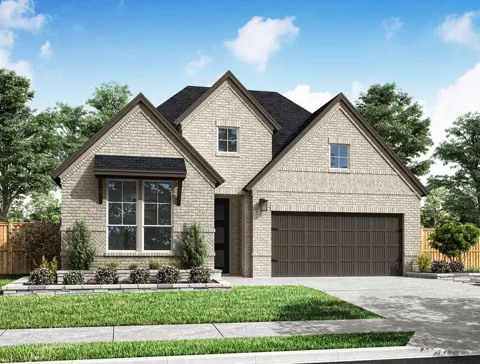
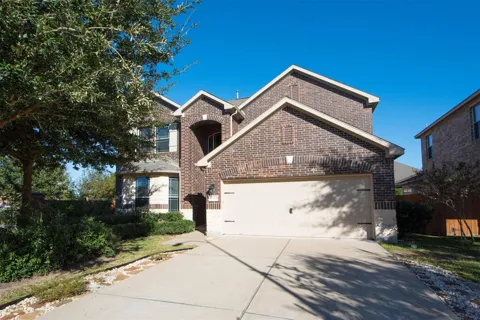
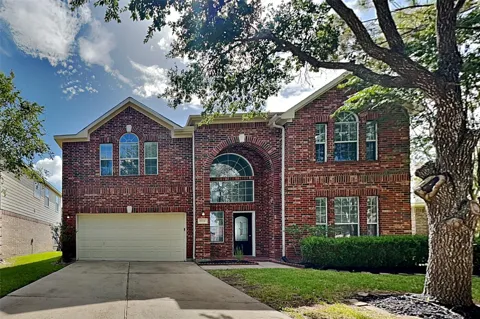
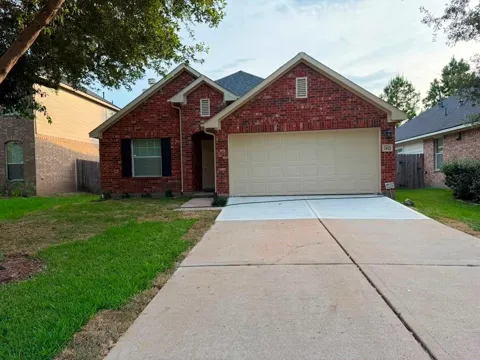
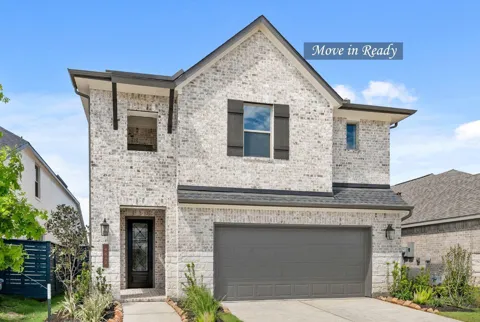
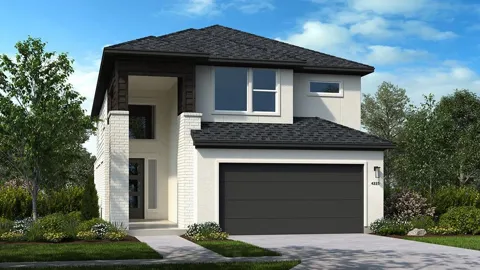
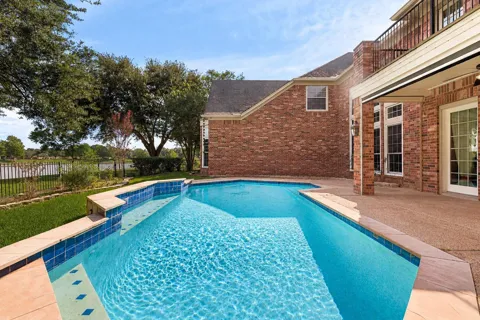
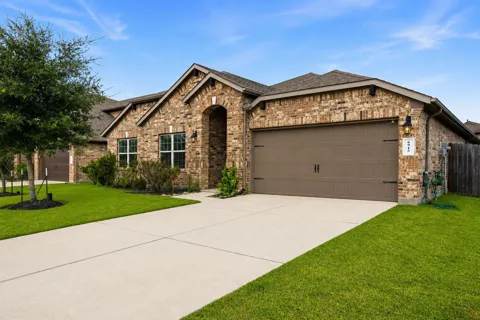
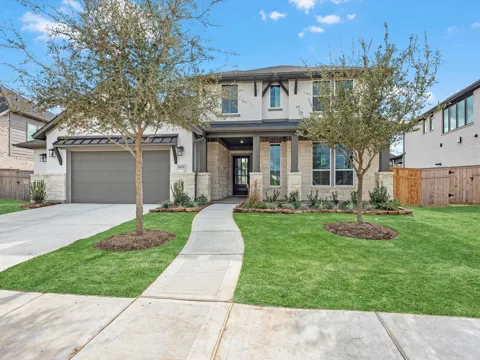
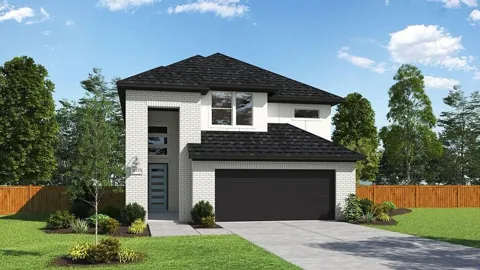
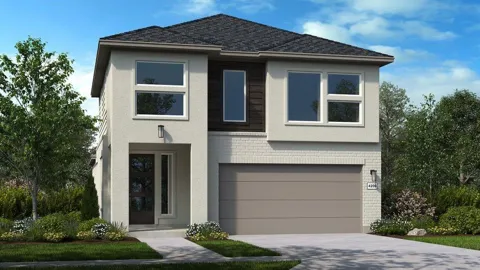
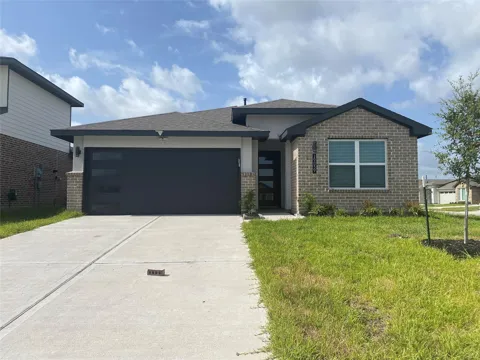
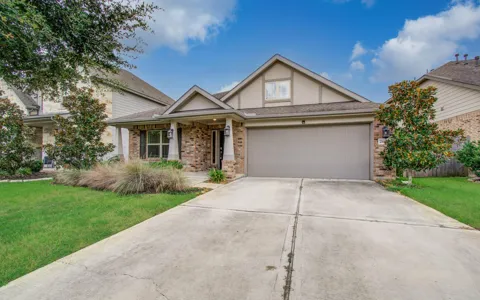
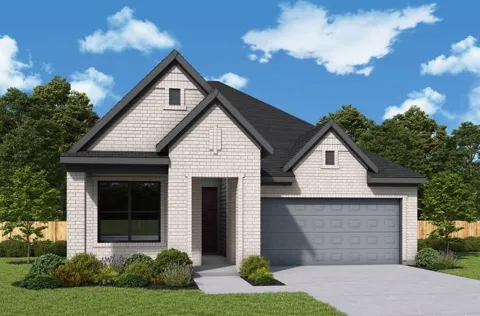
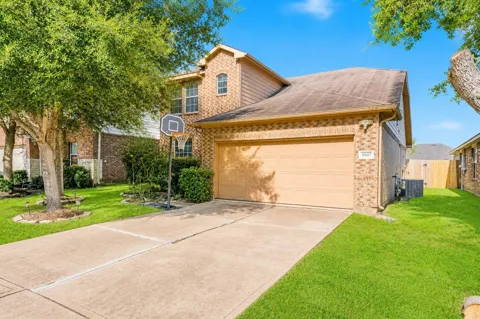
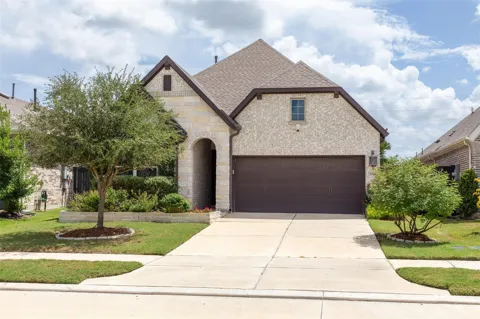
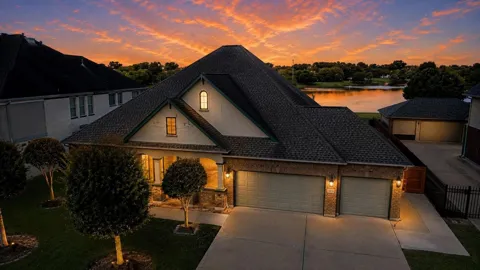
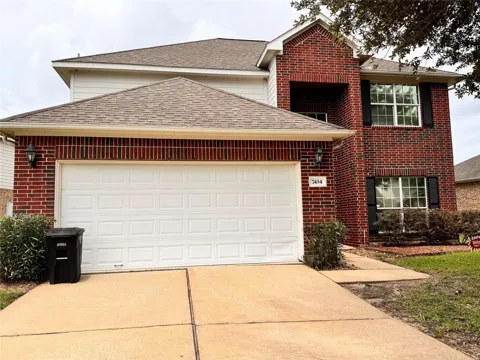
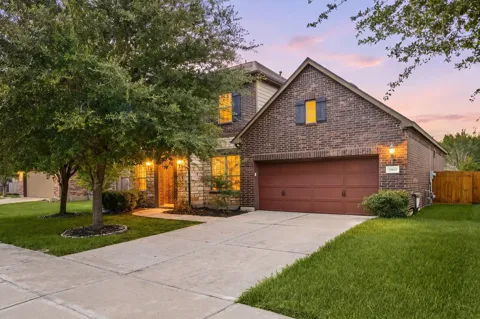
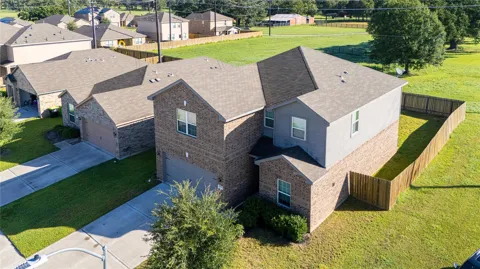
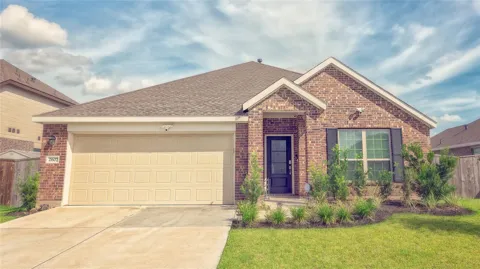
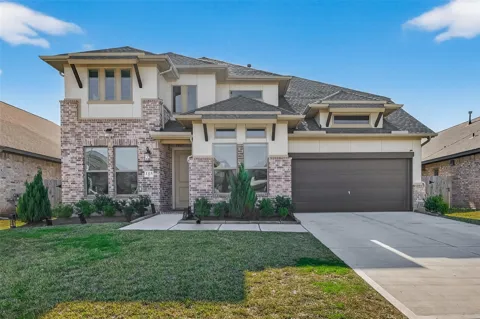
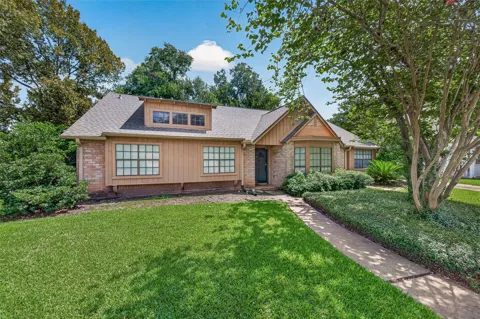
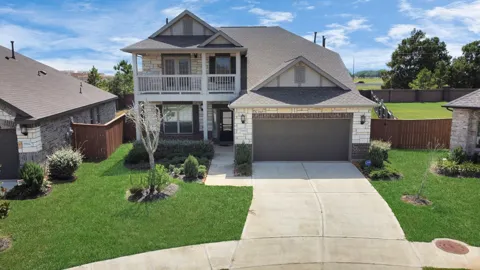
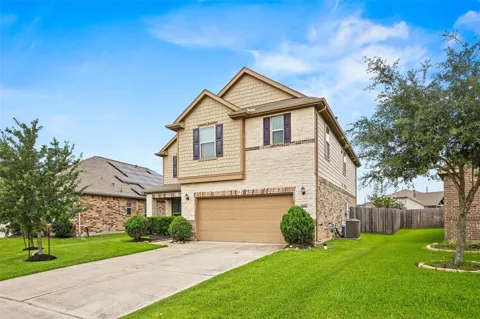
Richmond's housing stock spans more than a century and a half of construction. Around the historic downtown, older homes — some from the late 19th and early 20th centuries — sit on modest, tree-shaded lots, reflecting the city's river-trading roots. Farther out, the greater Richmond area is defined by master-planned communities built from the 1970s onward, with Pecan Grove Plantation among the earliest, developed around a 27-hole golf course. Newer developments such as Veranda bring contemporary single-family homes, community amenities, and larger subdivision lots on the city's edges and in adjacent unincorporated Fort Bend County. The mix gives buyers a spectrum from restored historic houses to golf-course living and fresh construction, with much of the newer inventory found in the Richmond postal area rather than within the original city limits.
The historic downtown district forms Richmond's original core, with restored commercial buildings, the county courthouse, and several blocks of early residential streets. Pecan Grove Plantation, developed from the 1970s on roughly 1,400 acres, is a golf-oriented master-planned community built around a 27-hole course, with mature trees and established amenities. Veranda is a newer 710-acre master-planned community near the northwest corner of Richmond Parkway and US-59, designed around parks, trails, and connectivity to Sugar Land and Houston. Beyond these, much of the Richmond address area consists of unincorporated Fort Bend County communities that carry Richmond postal addresses, giving homebuyers a wide range of subdivision styles within a short drive of the historic center.
Richmond blends a quiet county-seat rhythm with easy access to the larger Houston region. Downtown, restored storefronts hold local shops and restaurants, and the Fort Bend Museum anchors the historic district. The George Ranch Historical Park interprets four generations of Texas ranch life through living-history programs and seasonal events, while Brazos Bend State Park draws weekend visitors for wildlife watching and stargazing at its observatory. Daily needs are served by retail corridors along US-59 and the Grand Parkway, and neighboring Sugar Land and Rosenberg add dining, shopping, and entertainment options within a short drive. The result is a lifestyle that keeps small-town traditions and outdoor recreation close at hand while remaining tied to one of the nation's largest metros.
Public schools in Richmond are served by Lamar Consolidated Independent School District, known as Lamar CISD or LCISD. The district covers almost 43 percent of Fort Bend County and serves the city of Richmond along with a broad swath of surrounding communities. Lamar CISD operates elementary, middle, and high schools across the area and offers programs including dual-credit coursework, career and technical education, and alternative learning pathways. Because much of the Richmond postal area lies outside the city's municipal boundaries, families moving to master-planned communities in the area should confirm individual campus assignments with the district; zoning varies by subdivision. The district's growth mirrors Fort Bend County's, and new campuses have accompanied the area's residential expansion.
Richmond sits about 30 miles southwest of downtown Houston and is served by a network of major corridors. US-59/I-69 runs along the city's eastern edge and is the primary route toward Sugar Land and central Houston, while US-90A crosses the area east-west and the Grand Parkway (SH 99) provides a loop connection to Katy, the Energy Corridor, and the wider Houston suburbs. FM 359 and other farm-to-market roads serve local circulation. For commuters, Fort Bend Transit's park-and-ride express service links Richmond and the surrounding county to the Texas Medical Center, Galleria, and Greenway Plaza employment districts. The area's history as a rail and river trading point has long since given way to highway-oriented commuting, and access to Houston's airports comes via the metro's freeway system.
Outdoor recreation near Richmond centers on Brazos Bend State Park, one of the Houston area's signature natural areas, with miles of trails through wetlands and bottomland forest, alligator habitat, and the George Observatory for public stargazing. The George Ranch Historical Park, founded in 1824, brings Fort Bend County's ranching heritage to life with living-history demonstrations, tours, and seasonal events. Within the city, parks and the Brazos River corridor provide green space for everyday use, and the Fort Bend Museum offers a look at the county's layered history. Because Brazos Bend and the George Ranch sit within a short drive of one another, a single day can combine wildlife watching, Texas history, and time outdoors — a defining recreational feature of the greater Richmond area.
MARKET SNAPSHOT
How homes have been selling here over the last 90 days.
Market data reflects closed sales over the last 90 days and is provided for informational purposes.
EXPLORE COMMUNITIES
Browse the neighborhoods and subdivisions in this area.
BROWSE BY ZIP
Browse listings by postal code in this area.