Gulf Coast Port and Refinery City
Welcome to Port Arthur, a Gulf Coast port and refinery city where the Sabine-Neches Waterway and a rich musical legacy shape the community.
Port Arthur is a city in Jefferson County, Texas, on the Gulf Coast roughly 90 miles east of Houston, with a small extension into Orange County. It is part of the Beaumont–Port Arthur metropolitan area and one of the foundational cities of the Texas petrochemical industry. The city was founded by railroad promoter Arthur Stilwell, who established the Port Arthur Channel and Dock Company and guided the port's development; the port officially opened in 1899 with the arrival of the British steamer Saint Oswald. The discovery of oil at Spindletop near Beaumont shortly afterward transformed the city, and Port Arthur became a major refining and shipping center. With a population of roughly 54,000, Port Arthur remains a deep-water port and refining hub, home to one of the largest oil refineries in the United States. The Port of Port Arthur sits on the Sabine-Neches Waterway, one of the nation's busiest commercial waterways, and Pleasure Island, an 18.5-mile man-made island built from dredged material, fronts the Gulf Intracoastal Waterway and provides the city's principal recreational shoreline. The city's working waterfront and refinery complex anchor an economy built on energy, shipping, and heavy industry, and its location between Texas and Louisiana infuses local life with a distinctive blend of Gulf Coast and Cajun culture. Port Arthur is also notable for its cultural legacy. Singer Janis Joplin was born here, and the Museum of the Gulf Coast celebrates her along with a Music Hall of Fame of more than 80 regional musicians, as well as the area's sports and petroleum history. The city is a resilient, community-rooted place whose residents take pride in that musical and maritime heritage. Port Arthur appeals to those connected to the port and energy industries and to buyers seeking an affordable, historically rich Gulf Coast community with deep roots in Texas history. Its neighborhoods, its waterfront recreation, and its position on the Sabine-Neches Waterway give it a character unlike any other city in the Houston region.
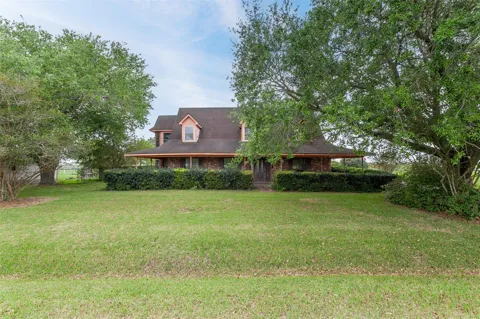
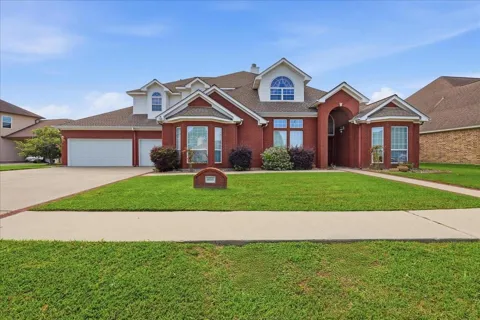
Port Arthur is a city in Jefferson County, Texas, on the Gulf Coast about 90 miles east of Houston, with a small extension into Orange County. It is part of the Beaumont–Port Arthur metropolitan area.
Port Arthur is known as a deep-water port and petroleum-refining center, with one of the nation's largest oil refineries located in the city. It is also the birthplace of singer Janis Joplin, who is honored at the Museum of the Gulf Coast.
Pleasure Island is an 18.5-mile man-made island created between 1899 and 1908 from dredged material during construction of the port. It now separates the city from the Gulf Intracoastal Waterway and is a recreational area.
Port Arthur is served by the Port Arthur Independent School District, a system that was incorporated in 1899. The district operates 15 schools and educates roughly 8,000 students, providing public education from elementary school through high school across the city.
Port Arthur lies about 90 miles east of Houston and roughly 20 miles southeast of Beaumont. It is served by U.S. and state highways that connect to the Interstate 10 corridor through Beaumont.
City Guide
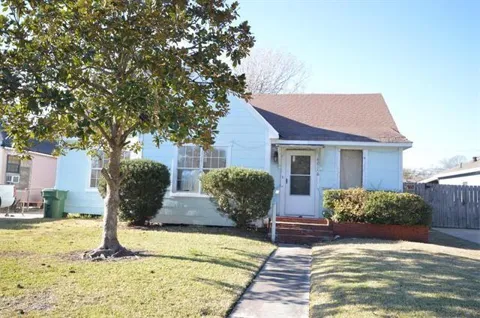
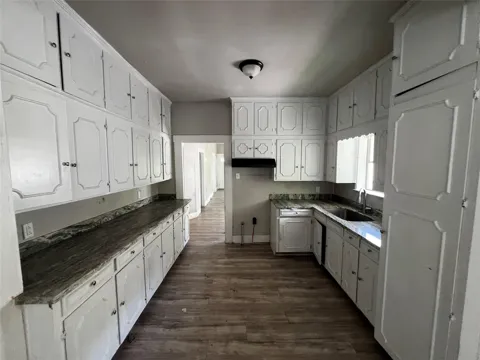
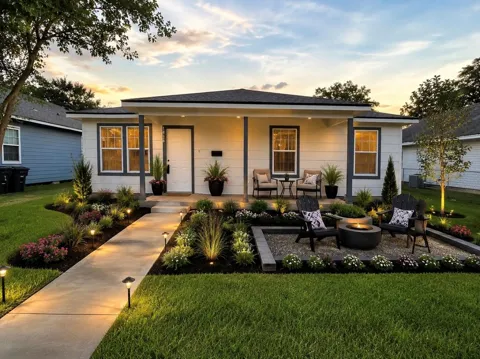
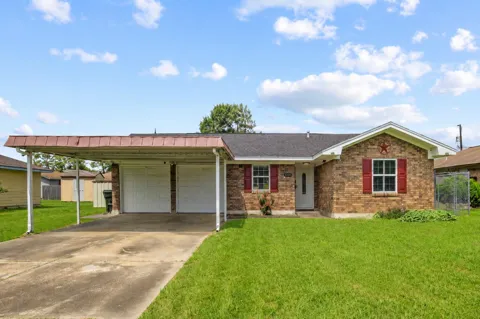
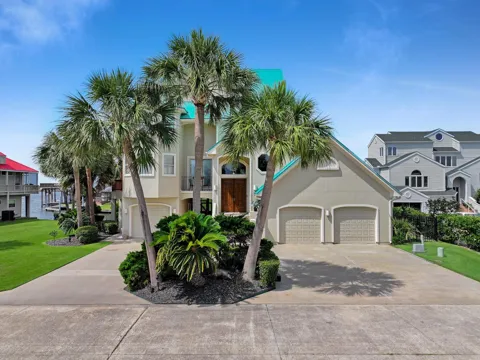
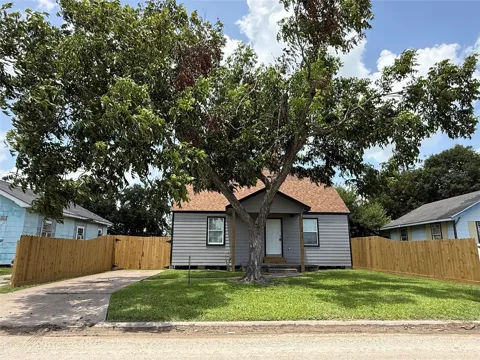
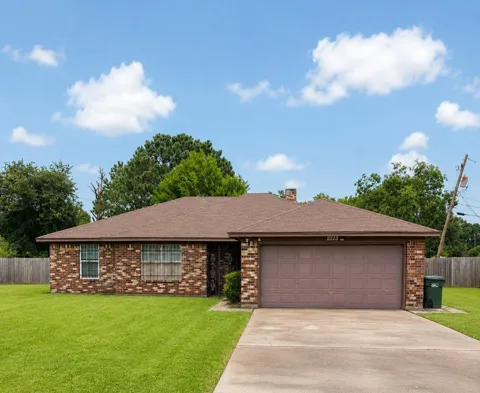
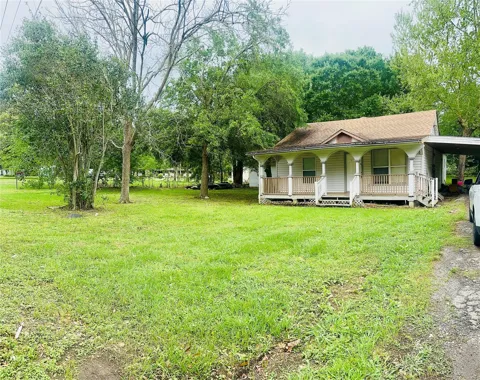
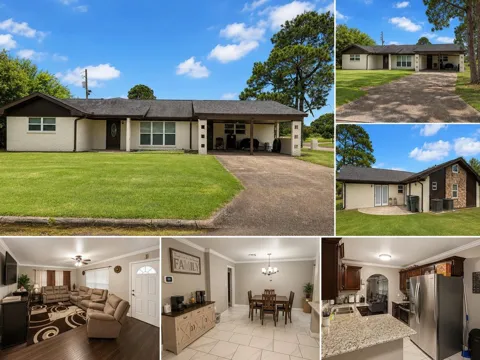
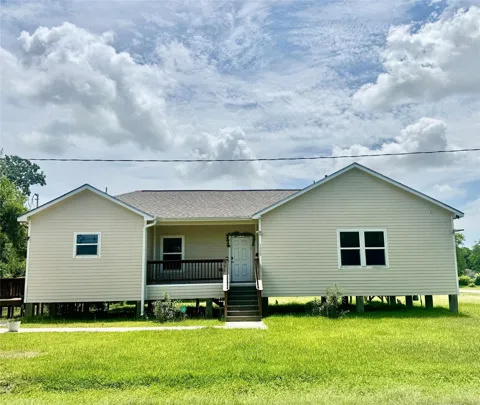
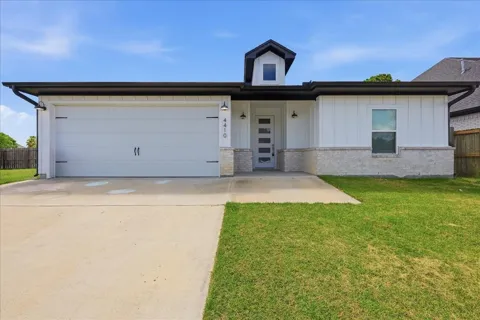
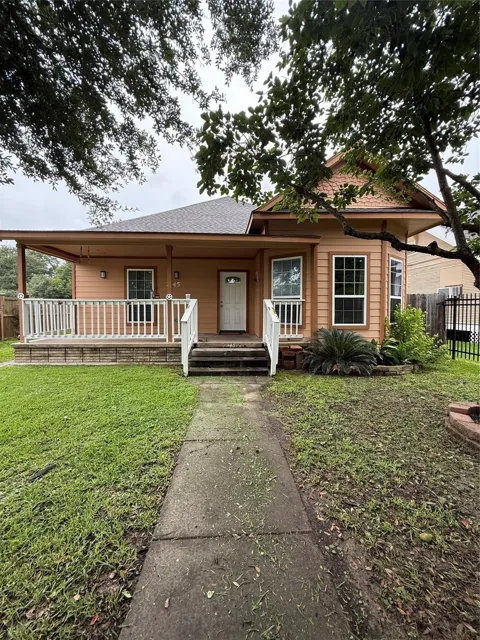
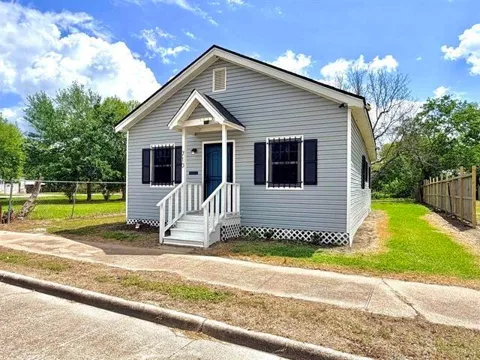
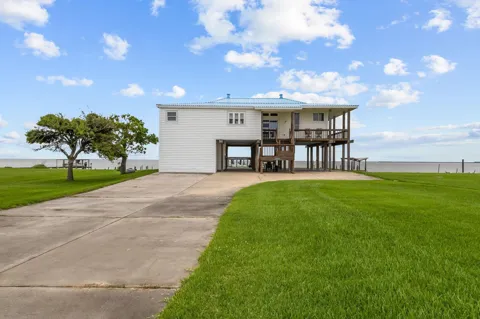
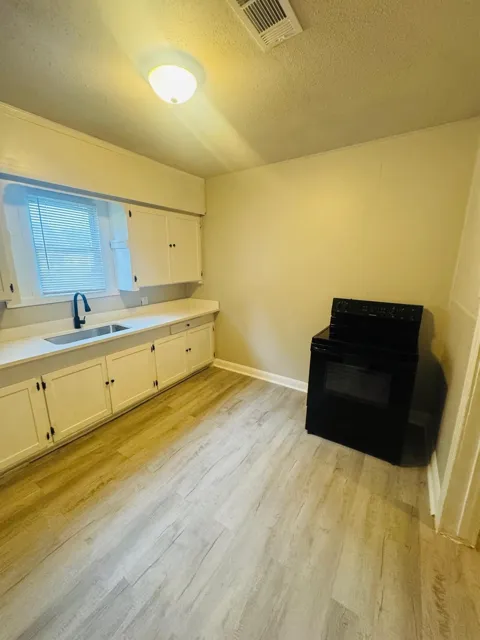
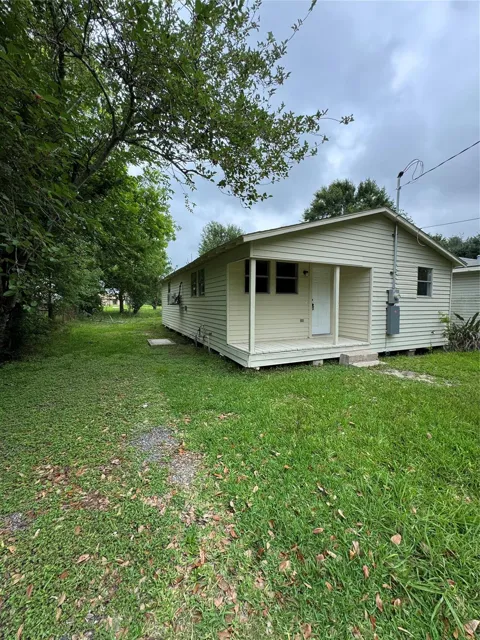
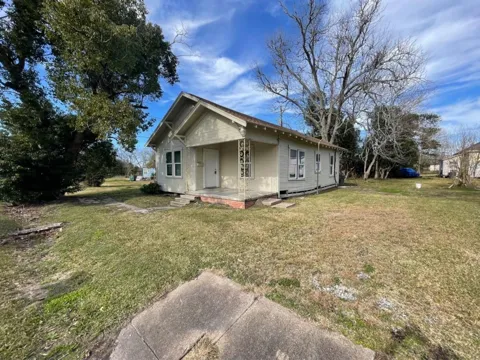
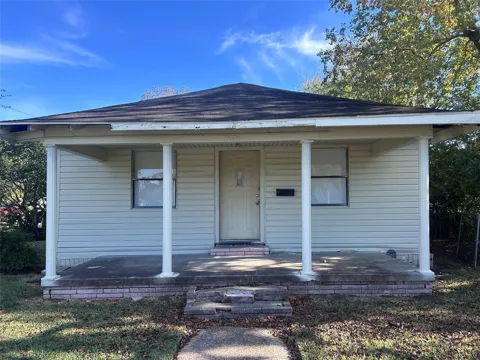
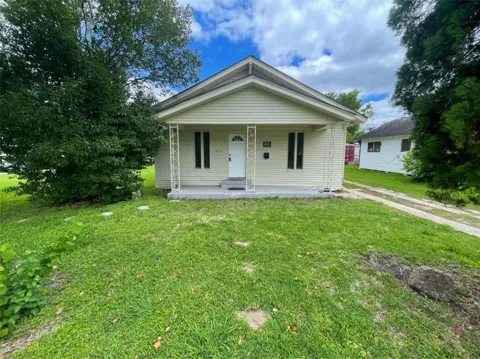
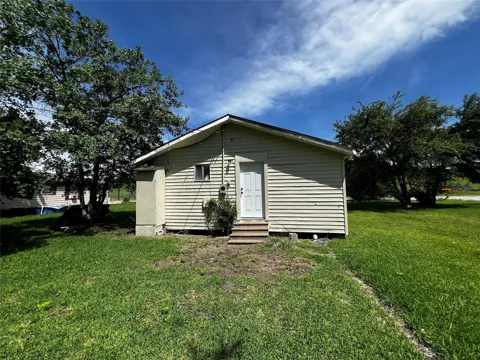
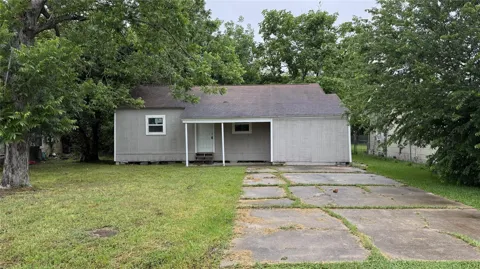
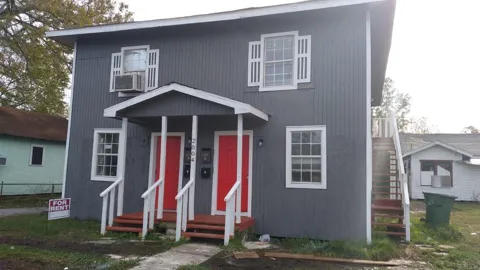
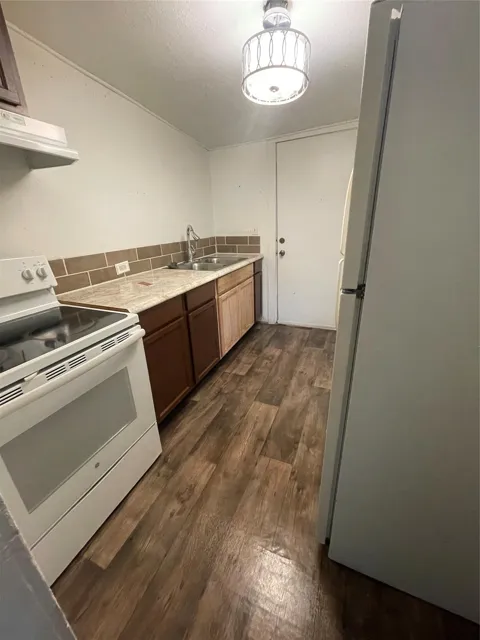
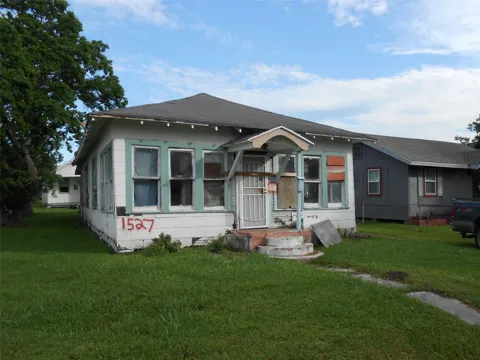
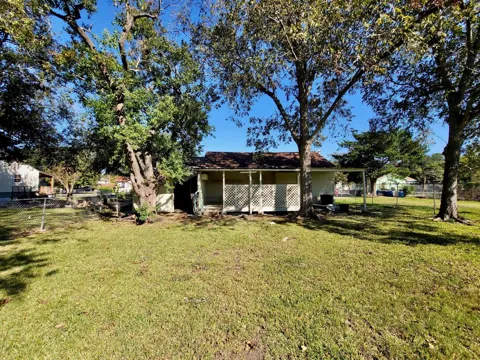
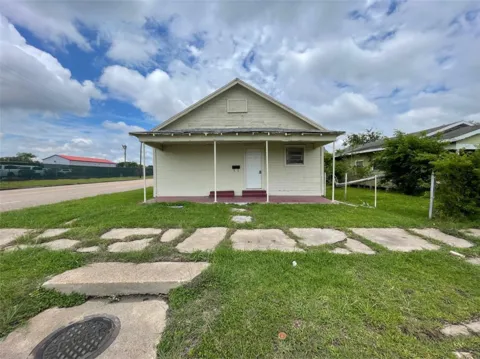
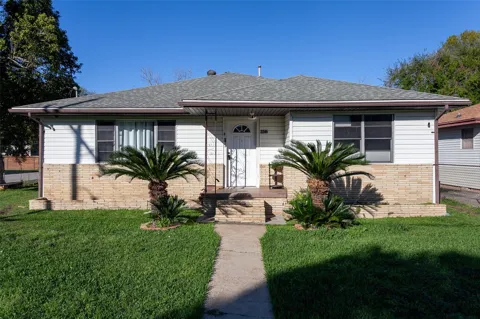
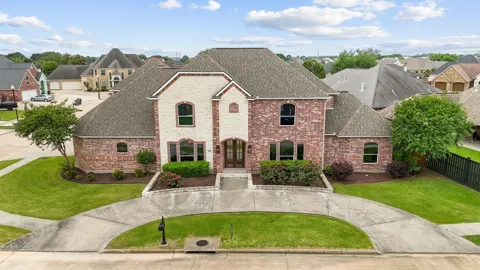
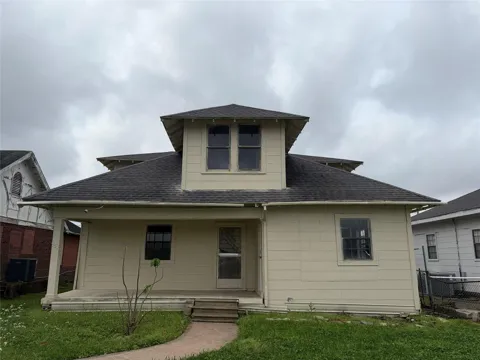
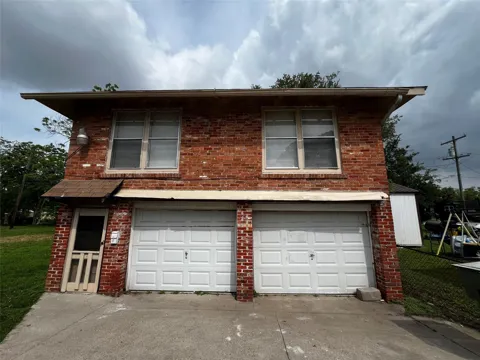
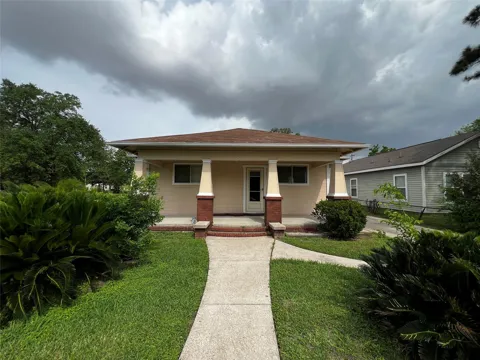
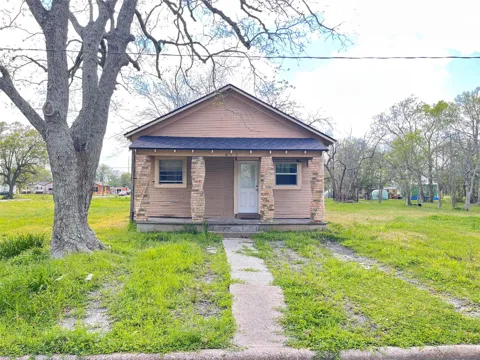
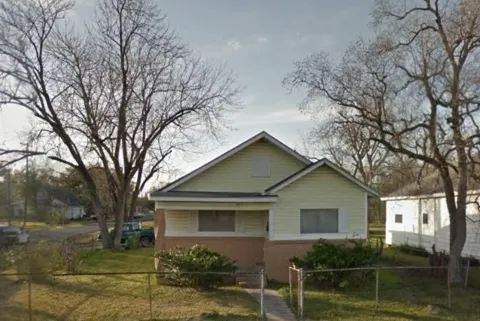
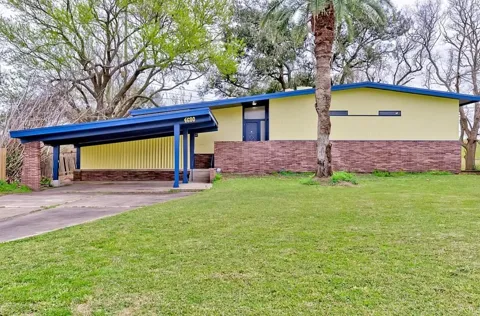
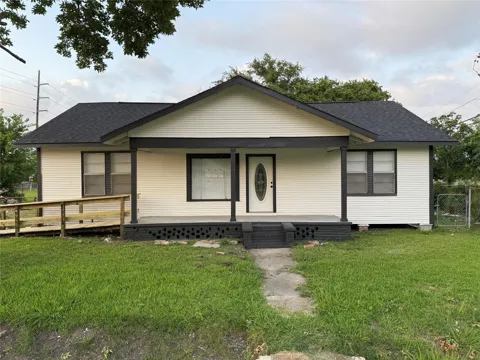
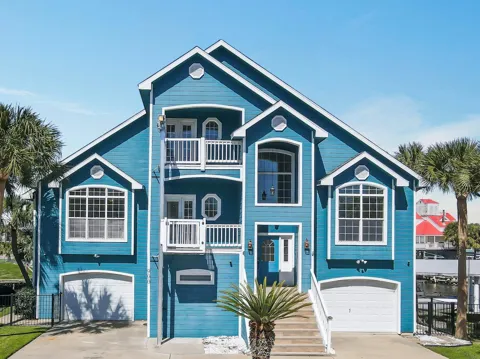
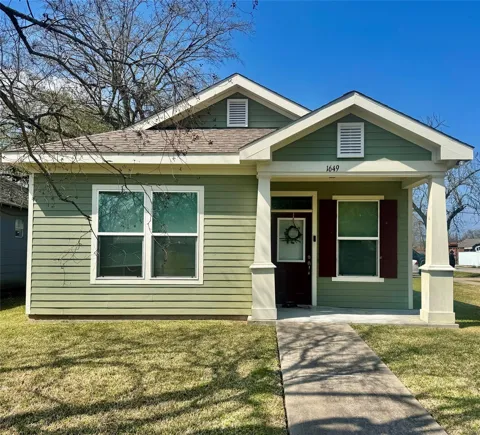
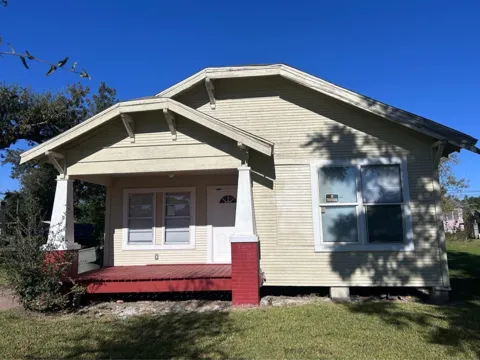
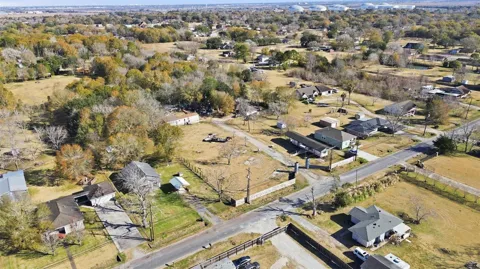
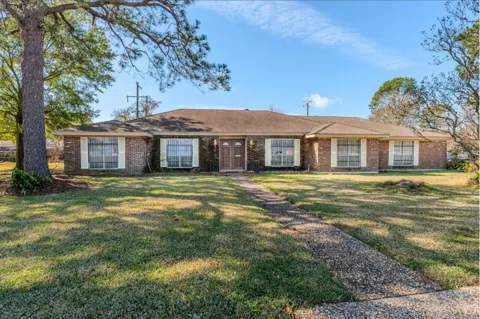
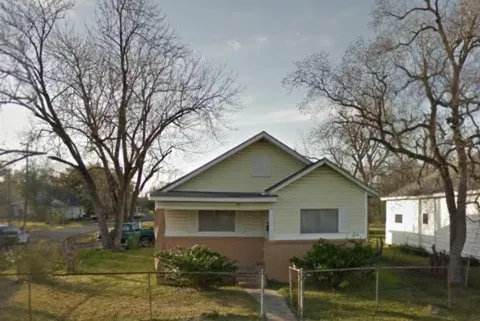
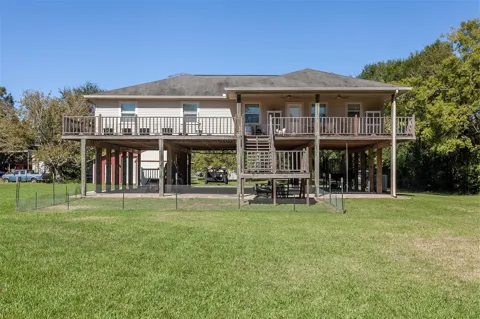
Port Arthur's housing stock reflects its long industrial history and its Gulf Coast setting. The city holds a mix of older, early-to-mid-twentieth-century homes near the downtown and refinery corridors, mid-century single-family neighborhoods, and newer construction in the outlying areas. Housing is predominantly single-family and generally among the most affordable in the Houston region, reflecting the city's working-class, industrial economy. Some neighborhoods sit close to the refinery and port facilities, while others, including areas toward Pleasure Island and the city's southern edge, offer more separation and water access. For buyers, Port Arthur represents a low-cost entry point into Southeast Texas with deep roots and a distinctive coastal character.
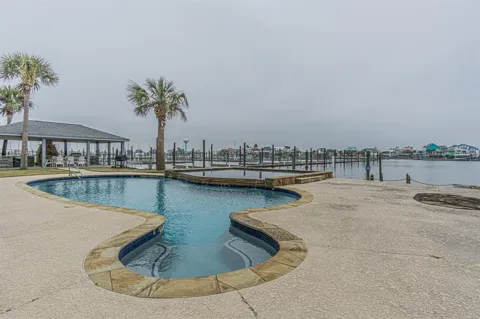
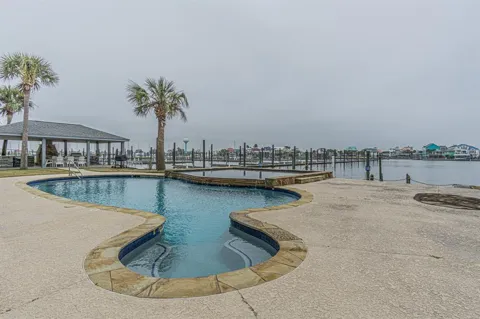
Port Arthur is organized around its downtown, its refinery and port facilities, and the waterfront that defines the city. The historic downtown, laid out near the original port and railroad, retains older commercial and residential blocks, while mid-century neighborhoods spread across the city as it grew during the oil boom. The city's neighborhoods are generally modest, single-family, and working-class in character, with some areas located in close proximity to the industrial complex along the ship channel. Pleasure Island, the man-made island along the Gulf Intracoastal Waterway, provides a distinct waterfront district with marinas, parks, and recreational homesites. The overall pattern is that of a port city where industry, neighborhoods, and the water sit close together.
Port Arthur carries the character of a working Gulf Coast port city, shaped by the petrochemical industry, its waterfront, and a distinctive musical and cultural heritage. The Museum of the Gulf Coast celebrates the region's music history, including native daughter Janis Joplin, the Big Bopper, and dozens of other Gulf Coast musicians, giving the city an outsized place in American popular music. Seafood, Cajun and Creole cooking, and local festivals reflect the area's position between Texas and Louisiana. Life centers on family, church, and the rhythms of the port and refineries, with fishing, boating, and coastal recreation available through Pleasure Island and Sabine Lake. It is a resilient, community-rooted city with a deep sense of place.
Port Arthur is served by the Port Arthur Independent School District, which was incorporated in 1899 and operates 15 schools educating roughly 8,000 students. The district provides the city's public education from elementary through high school, with campuses distributed across the community. As an older industrial city, Port Arthur's schools reflect its history and demographics, and the district remains a central institution in local life. Higher education options in the region include Lamar State College and Lamar University in nearby Beaumont, as well as other institutions serving Southeast Texas, giving residents access to a range of post-secondary pathways.
Port Arthur's transportation identity is tied to its port and waterways. The Port of Port Arthur sits on the Sabine-Neches Waterway, one of the busiest commercial waterways in the United States, and connects to the Gulf Intracoastal Waterway, positioning the city as a multi-modal hub for water, rail, and truck freight. For residents, U.S. Highways 69, 96, and 287 provide regional highway access, connecting to the Interstate 10 corridor through nearby Beaumont and onward to Houston, about 90 miles to the west. The city is car-dependent for daily travel, with the waterway and port dominating its economic rather than commuter landscape.
Port Arthur's recreation centers on the water. Pleasure Island, the man-made island that separates the city from the Gulf Intracoastal Waterway, offers marinas, fishing, boating, and parkland along the ship channel and Sabine Lake. Sabine Lake and the surrounding marshes provide some of the region's best fishing and birding, and nearby Sea Rim State Park offers Gulf beach access, camping, and wildlife viewing. The Museum of the Gulf Coast anchors the city's cultural recreation, while local parks, sports leagues, and community events serve everyday needs. The city's position between the Gulf of Mexico and the coastal wetlands of Southeast Texas gives residents direct access to a distinctive coastal landscape.
MARKET SNAPSHOT
How homes have been selling here over the last 90 days.
Market data reflects closed sales over the last 90 days and is provided for informational purposes.
BROWSE BY ZIP
Browse listings by postal code in this area.