Birthplace of Texas Oil
Welcome to Beaumont, the Jefferson County seat on the Neches River where the Spindletop gusher launched the Texas oil industry.
Beaumont is the county seat and largest city of Jefferson County, Texas, situated on the Neches River in the far southeast corner of the state, about 90 miles east of Houston and 25 miles north of the Gulf of Mexico. Together with nearby Port Arthur and Orange, it forms the Golden Triangle, a metropolitan region built on shipping, refining, and petrochemicals. The city's defining moment came on January 10, 1901, when the Lucas Gusher erupted at Spindletop Hill and shot oil hundreds of feet into the air. The discovery launched the Texas oil boom and transformed Beaumont almost overnight from a rice- and lumber-based town into a center of the American petroleum industry. That heritage is preserved at the Spindletop-Gladys City Boomtown Museum and remains central to the city's identity more than a century later. Today Beaumont remains an industrial and port city. The Port of Beaumont, on the Neches River, handles cargo and supports the region's refineries and chemical plants, which employ a substantial share of the workforce. Lamar University, a public university founded in 1923, adds an educational and cultural anchor, while healthcare and retail round out the local economy. Beaumont is also a gateway to natural Southeast Texas. The Big Thicket National Preserve lies to the north, and Cattail Marsh, a wetlands refuge that hosts hundreds of bird species, sits within the city, making the area a draw for birders and outdoors enthusiasts. Beaumont suits residents drawn to an affordable, rooted Gulf Coast city with deep industrial history, a real university presence, and easy access to Houston via Interstate 10. Its mix of historic neighborhoods, established West End subdivisions, and newer growth gives buyers a wide range of choices.
Beaumont is in Jefferson County, Texas, in the far southeast part of the state near the Louisiana border. It is the county seat and largest city of Jefferson County, sitting on the Neches River about 25 miles north of the Gulf of Mexico.
Beaumont is known as the birthplace of the Texas oil industry. On January 10, 1901, the Lucas Gusher erupted at Spindletop Hill, shooting oil hundreds of feet into the air and triggering the state's first major oil boom. The Spindletop-Gladys City Boomtown Museum commemorates the event.
The Golden Triangle is the southeast Texas metropolitan region formed by Beaumont, Port Arthur, and Orange. Beaumont is the largest of the three cities and serves as the region's economic and cultural anchor.
Public schools in Beaumont are part of the Beaumont Independent School District. The city is also home to Lamar University, a public university founded in 1923 as South Park Junior College.
Beaumont lies on Interstate 10, about 90 miles east of Houston. The city has a deepwater port on the Neches River and is served by Jack Brooks Regional Airport. Nearby Cattail Marsh and the Big Thicket National Preserve offer outdoor recreation.
City Guide
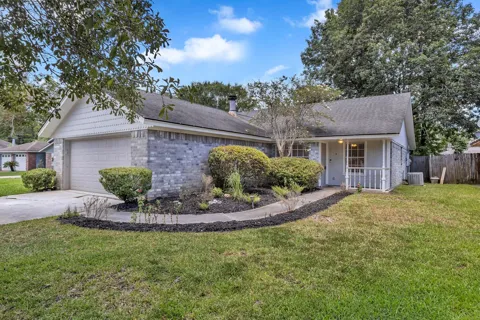
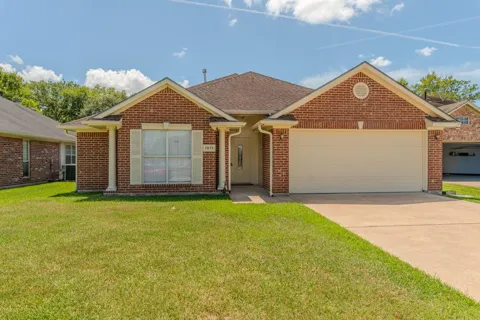
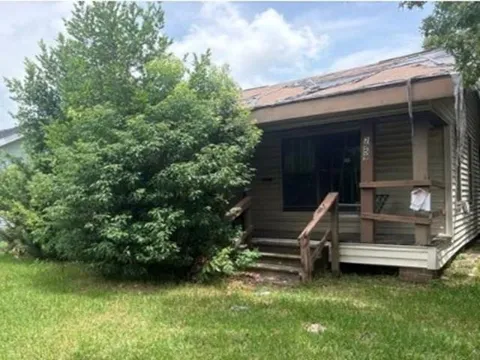
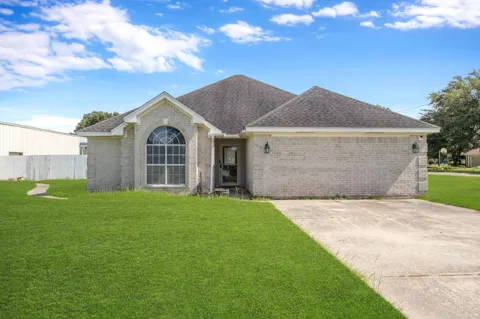
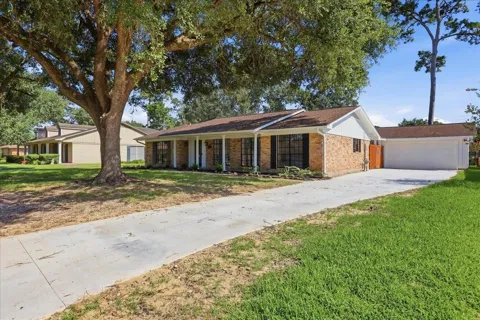
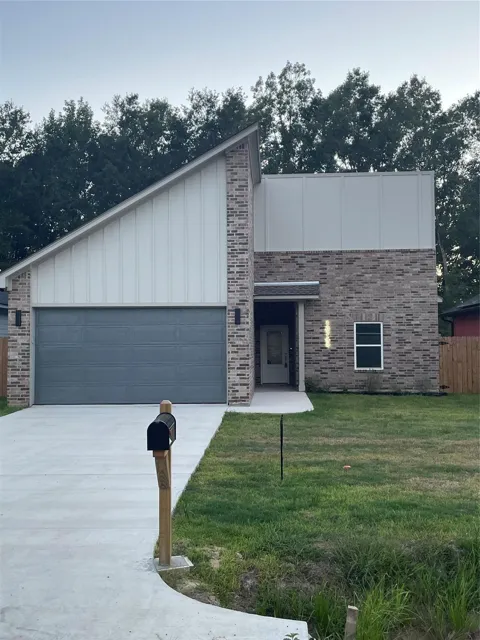
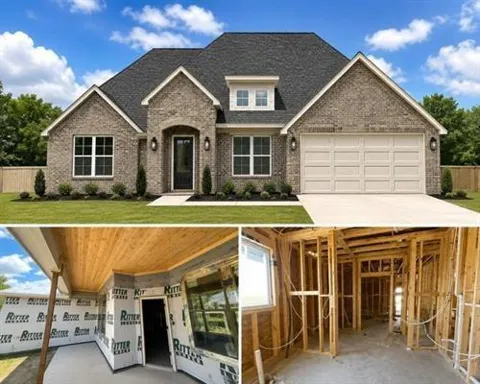
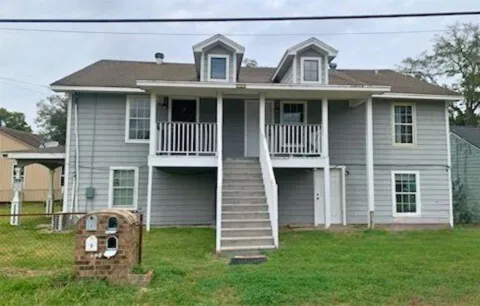
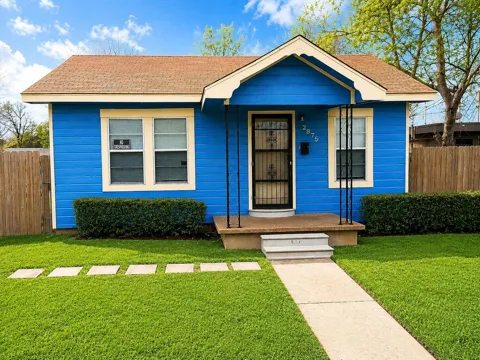
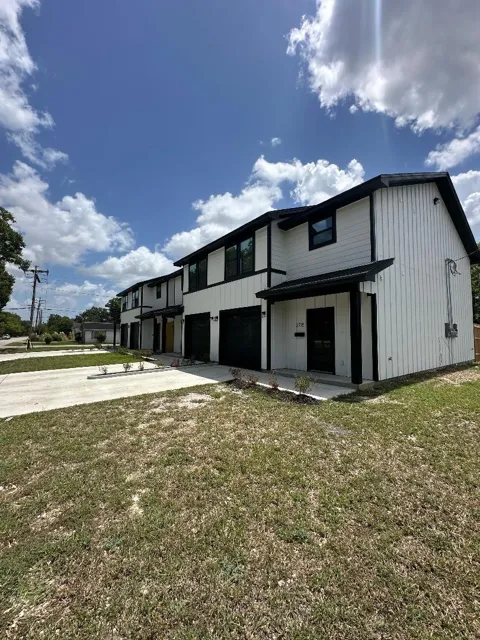
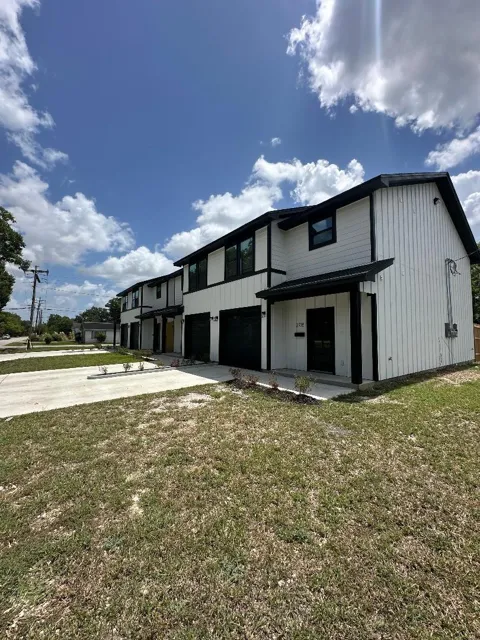
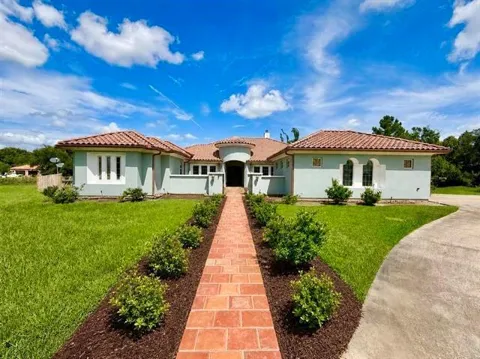
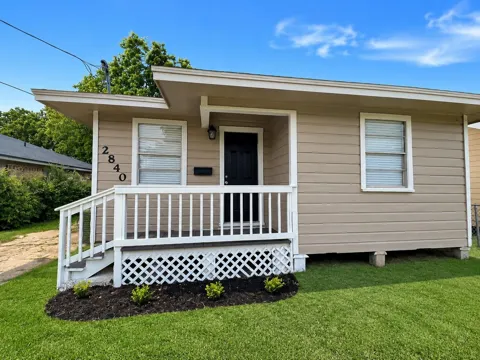
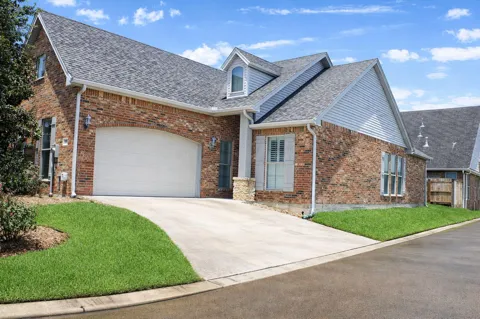
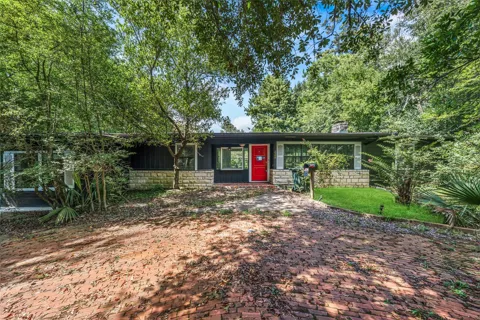
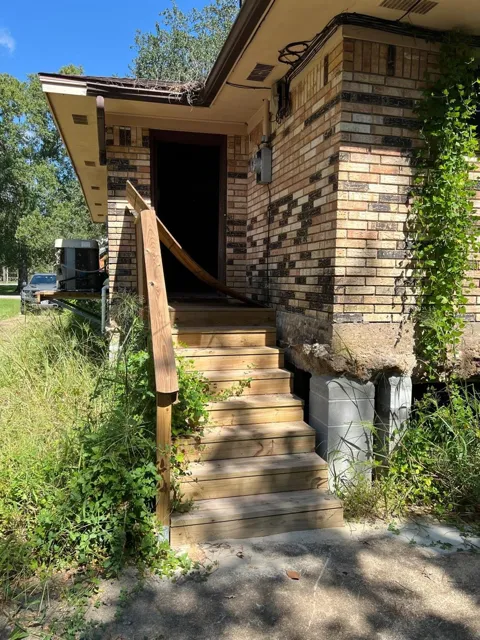
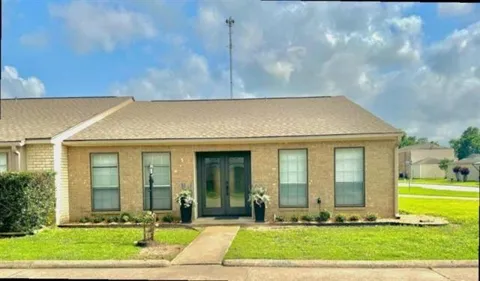
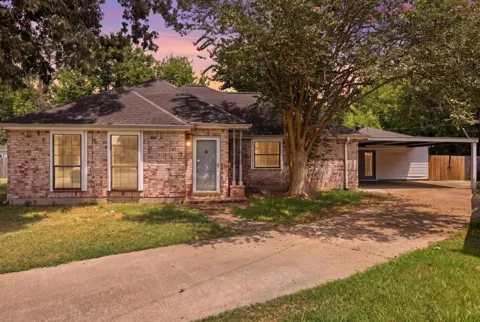
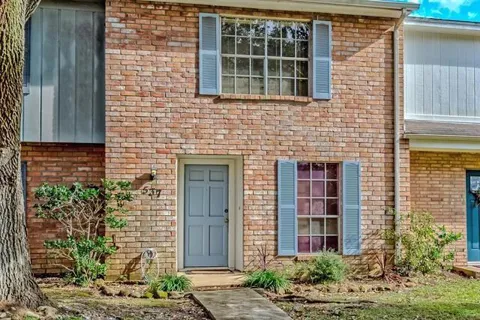
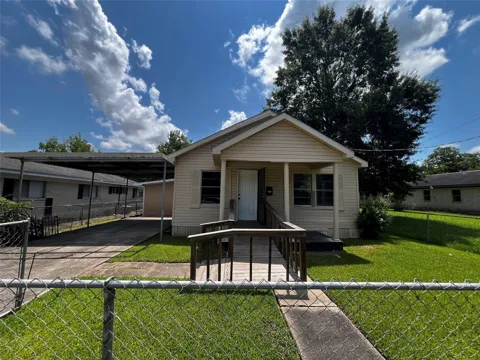
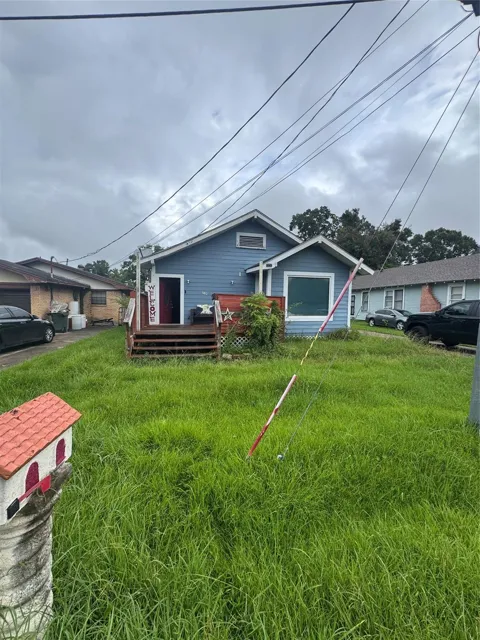
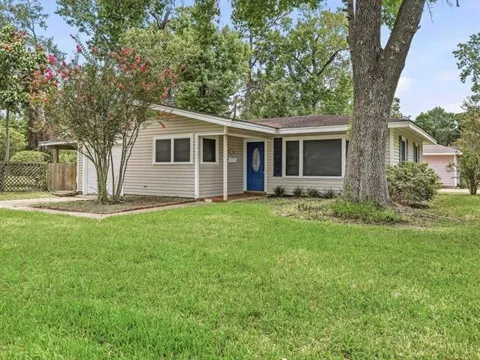
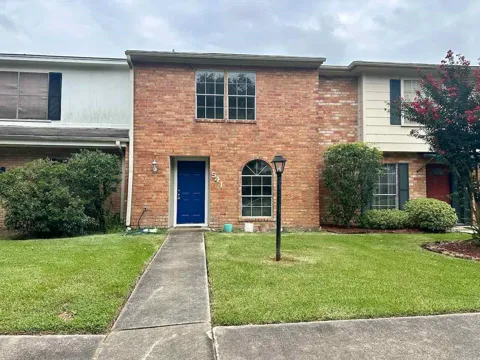
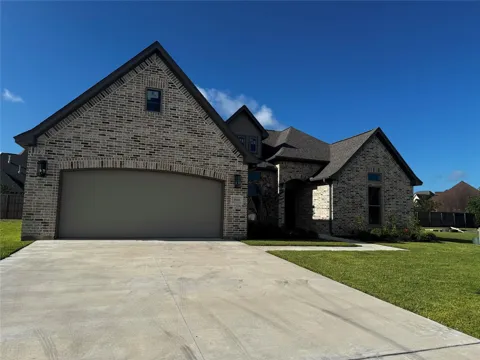
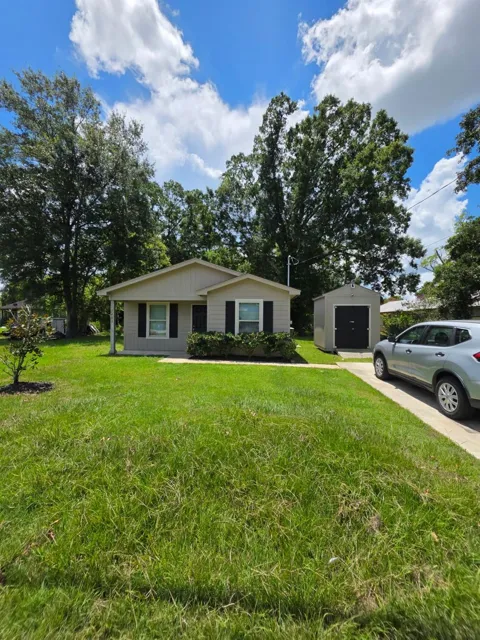
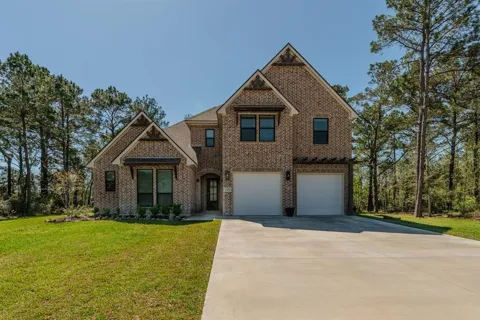
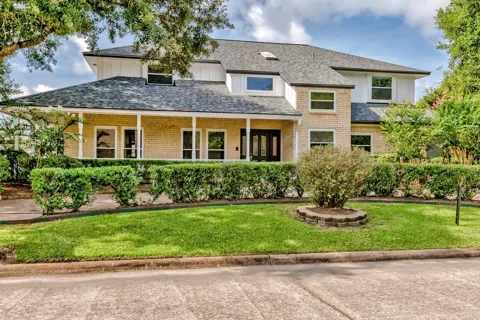
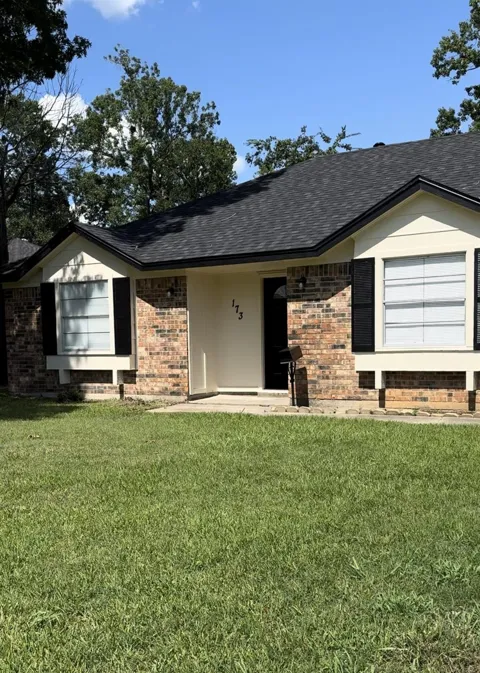
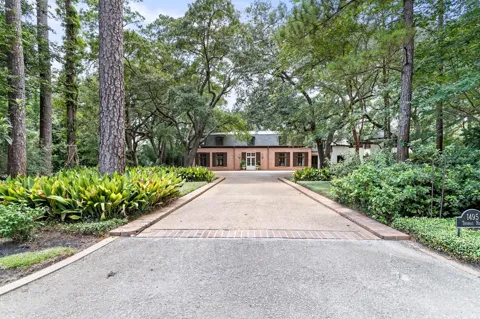
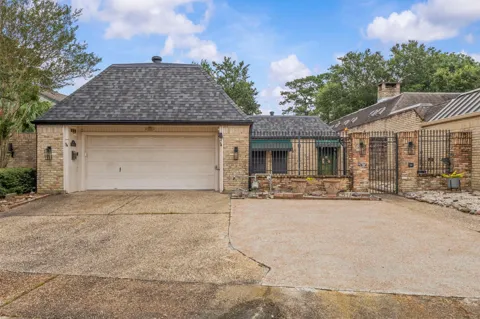
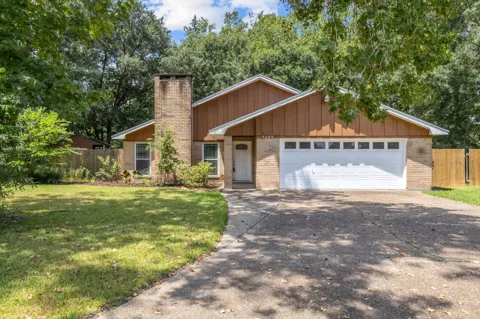
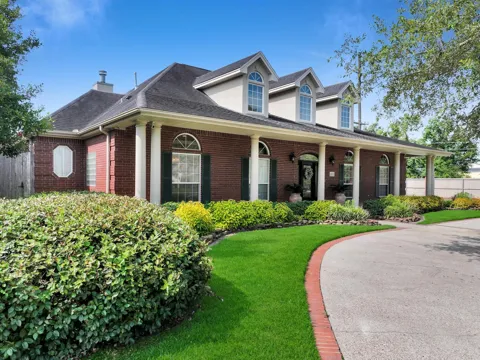
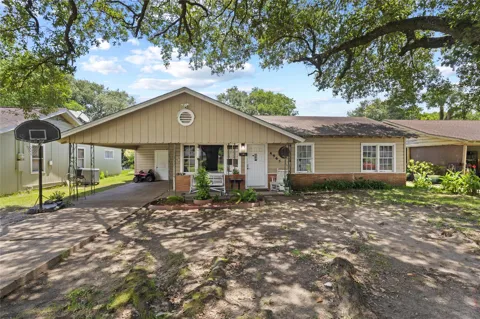
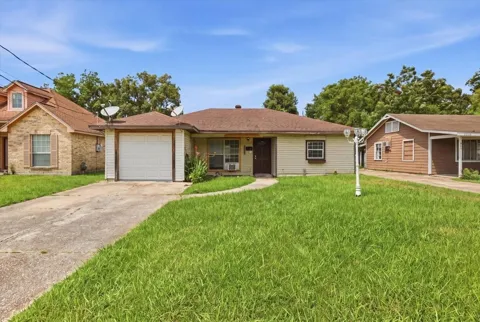
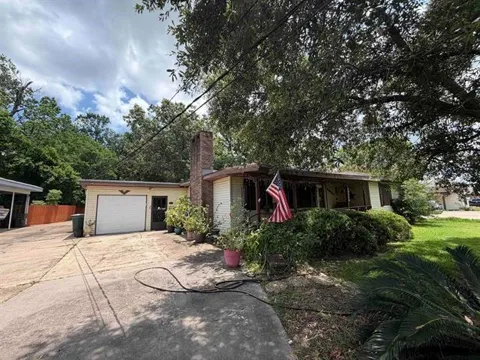
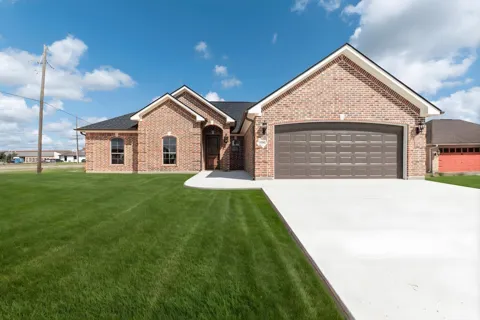
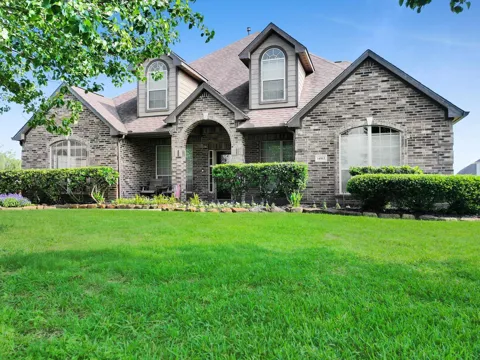
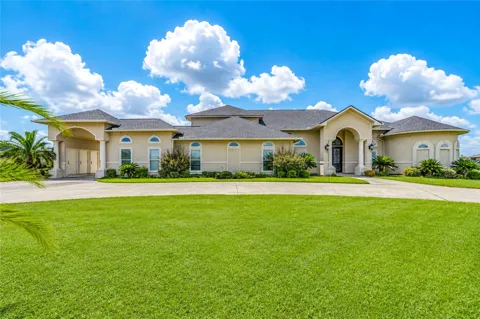
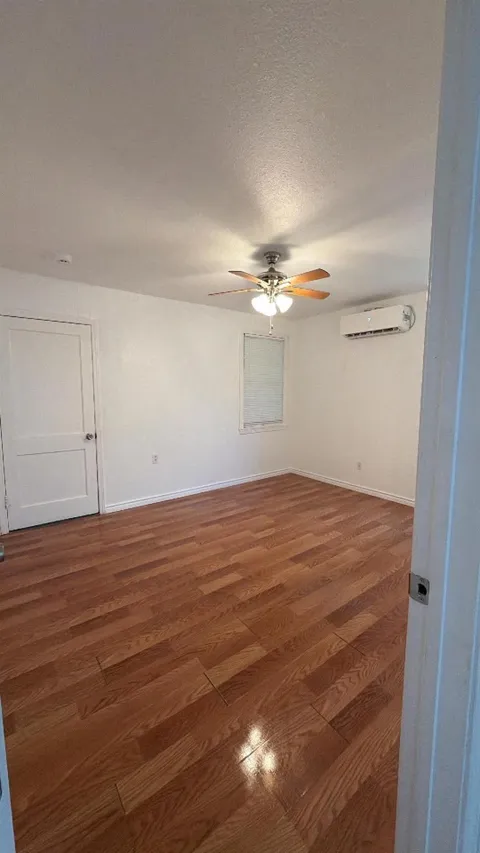
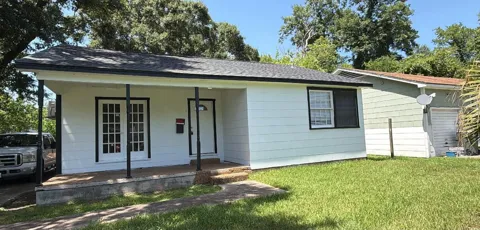
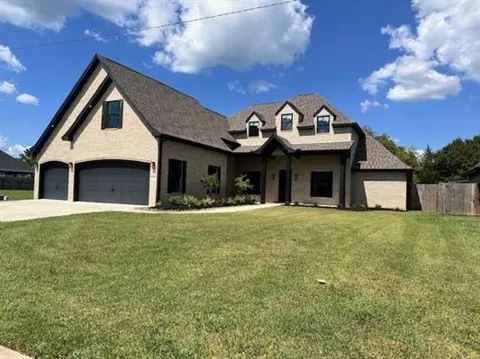
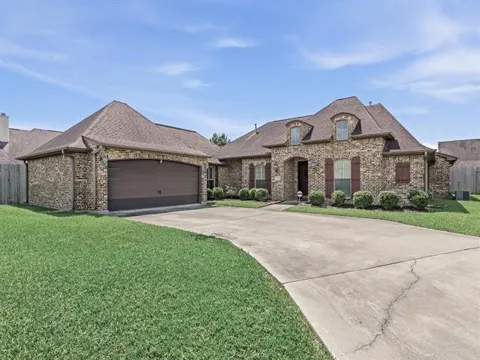
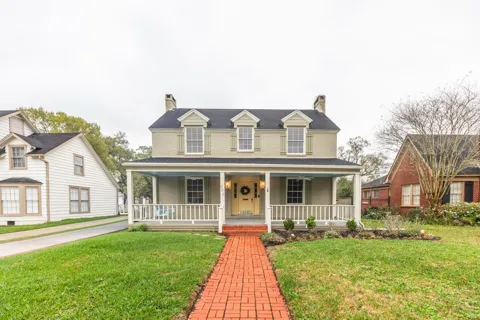
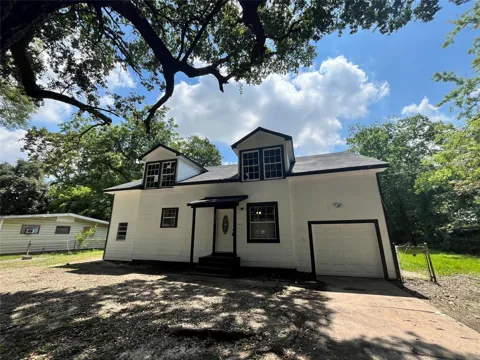
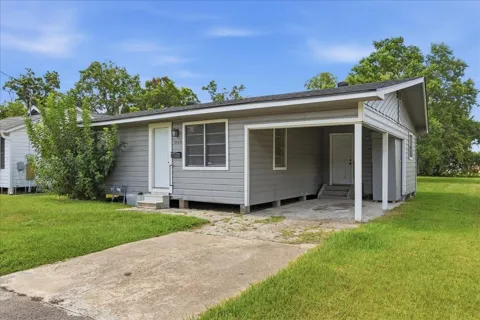
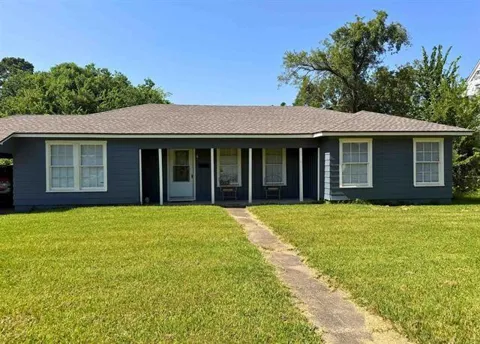
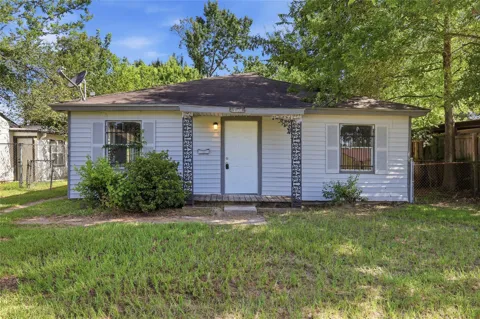
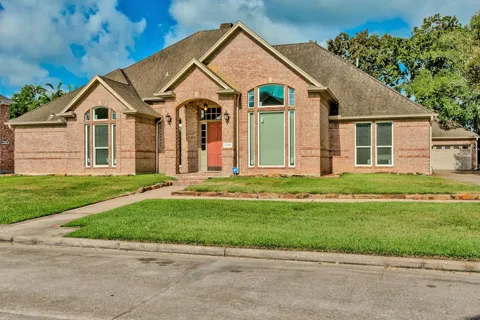
Beaumont's housing stock is broad and comparatively affordable, spanning more than a century of construction. Historic neighborhoods near downtown contain early twentieth-century bungalows and larger period homes, while the city's West End holds many of its most established residential streets, with a mix of mid-century ranch-style houses, newer construction, and condo communities such as The Meadows. Older subdivisions built for refinery and port workers sit alongside newer suburban developments on the city's growing edges. Lots are often sizable, and mature trees line many streets. Buyers can find everything from small starter homes to large custom residences, with the West End and areas near the city's hospitals and university among the most consistently sought after.
Beaumont's neighborhoods span historic and suburban eras. The West End, anchored by the 77706 ZIP code, is a comfortable west-side area popular with professionals and families, with ranch homes, condos, and access to Parkdale Mall and parks such as Rogers Park and Guseman Park. The Meadows, within the West End, offers a concentration of 1970s ranch-style homes. Near downtown, older tree-lined districts such as Old Town and the areas around the historic homes district preserve the city's early residential character. South Beaumont includes established neighborhoods tied to Lamar University and the city's refineries, while newer subdivisions continue to spread toward the city's outskirts. The John Jay French Historic House Museum anchors one of the city's most historically significant residential areas.
Beaumont's culture blends Cajun and Texas influences, reflecting its position on the Louisiana border and its Gulf Coast roots. The downtown anchors the city's civic life, with historic buildings, museums, and a growing dining scene that ranges from Texas barbecue and Gulf seafood to Cajun and Vietnamese cooking. The city hosts festivals and events tied to its heritage, including observances of the Spindletop anniversary. Museums such as the Spindletop-Gladys City Boomtown Museum, the McFaddin-Ward House, and the Art Museum of Southeast Texas give Beaumont a deeper cultural bench than many cities its size. Its identity as a working port and refinery town coexists with a lively arts, food, and festival calendar that reflects the Golden Triangle's mix of traditions.
Public schools in Beaumont are part of the Beaumont Independent School District, formed in 1983 through the merger of the Beaumont and South Park districts. The district operates elementary, middle, and high schools across the city, with West Brook High School among its largest secondary campuses. Beaumont is also home to Lamar University, a public university founded in 1923 as South Park Junior College and now a comprehensive institution with a broad range of undergraduate and graduate programs. The university gives the city a visible college presence and serves as a major employer. Private and parochial schools, including long-established institutions, supplement the public system, and Lamar Institute of Technology provides additional technical and workforce education.
Interstate 10 runs through Beaumont, connecting the city westward to Houston — about 90 miles, or roughly an hour and a half by car — and eastward into Louisiana. US 69, 96, and 287 form a freeway across south Beaumont, linking the city to Port Arthur, Lamar University, and Jack Brooks Regional Airport, which offers regional commercial service. The Port of Beaumont is a deepwater port on the Neches River and a significant part of the area's freight economy. Within the city, personal vehicles dominate, and major employers are spread along the interstate and industrial corridors. Amtrak's Sunset Limited serves Beaumont's historic depot on its cross-country route, adding a long-distance rail option for travelers.
Beaumont offers a distinctive mix of urban parks and wild wetlands. Cattail Marsh, a wetlands refuge and boardwalk system within the city, attracts birders with more than 250 bird species a year, including egrets, roseate spoonbills, and pelicans. The Big Thicket National Preserve, a short drive north, protects a biologically diverse landscape of forests, bayous, and prairies for hiking, paddling, and wildlife watching. Gator Country, an alligator park, and Tyrrell Park with its stables and nature center add family-oriented outdoor options. The Neches River supports kayaking and paddling trails, while city parks provide sports fields, playgrounds, and community events. Museums and historic sites such as the Spindletop-Gladys City Boomtown Museum round out the local recreation and visitor scene.
MARKET SNAPSHOT
How homes have been selling here over the last 90 days.
Market data reflects closed sales over the last 90 days and is provided for informational purposes.
BROWSE BY ZIP
Browse listings by postal code in this area.