City of Champions
Welcome to Duncanville, the City of Champions in southwestern Dallas County, a family-oriented suburb with deep civic and athletic pride.
Duncanville is a city in southwestern Dallas County, Texas, within the Dallas-Fort Worth metroplex. Its population was 40,706 at the 2020 census, and it anchors the cluster of communities known as the "Best Southwest" region alongside neighbors such as DeSoto and Cedar Hill. The city carries the nickname "City of Champions," a reference to its tradition of athletic success and its broader community pride. Duncanville's economy and identity are tied to its position along major Dallas corridors. U.S. Route 67 runs through the city toward downtown Dallas, and Interstate 20 crosses the southern edge, giving residents direct highway access to the region's employment centers. The city functions primarily as a residential suburb, with a diverse, hard-working population and a stable economic base. Community life centers on parks, recreation, and schools. Duncanville maintains 17 parks across roughly 227 acres, and the Duncanville Fieldhouse has become a regional destination for youth and amateur sports, hosting tournaments and events that draw visitors from across North Texas. The Duncanville Recreation Center anchors leisure and fitness programming. Education is served by the Duncanville Independent School District, which covers most of the city as well as portions of DeSoto, Dallas, and Cedar Hill, giving the district a reach beyond the city's boundaries. The housing stock is largely established, with mid-century and late-20th-century single-family homes on conventional lots, and the city's mature tree canopy and neighborhood parks reinforce its settled character. For residents, Duncanville offers established neighborhoods, genuine cultural diversity, and a strong civic identity, all within a short commute of downtown Dallas — an affordable, community-centered base in the southern Dallas County corridor.
Duncanville is in Dallas County, Texas, in the southwestern part of the county. The city is part of the Dallas-Fort Worth metroplex and the group of communities known as the Best Southwest region.
Duncanville is known by the nickname City of Champions, reflecting its athletic tradition and community pride. It is also known for its parks system, the Duncanville Fieldhouse youth-sports venue, and its location along U.S. 67 and Interstate 20.
Duncanville is served by the Duncanville Independent School District, which covers most of the city as well as portions of DeSoto, Dallas, and Cedar Hill. The district is based in Duncanville and serves a large suburban student population.
Duncanville lies about 12 miles southwest of downtown Dallas, reachable via U.S. Route 67 and Interstate 20. The city's highway access makes it a practical base for commuters to Dallas and the broader metroplex.
City Guide
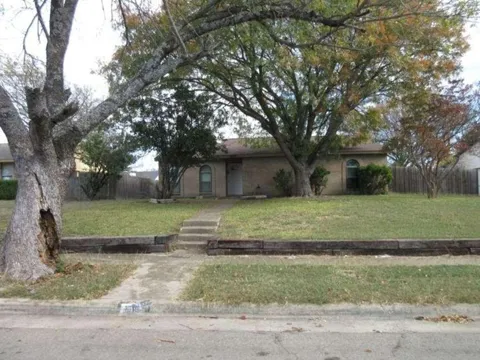
Duncanville's housing stock is established and predominantly single-family, built largely during the city's post-war and late-20th-century growth. Homes sit on conventional suburban lots along tree-lined streets, with ranch-style and traditional designs common, and the market includes a mix of older residences and some newer construction. The city's mature, settled character contrasts with the newer subdivisions on the metroplex's northern and western edges, and housing costs have historically run below those of North Dallas and the northern suburbs. Duncanville's combination of affordability, established neighborhoods, and proximity to downtown Dallas has made it a longstanding option for families and first-time buyers seeking a foothold in the southern Dallas County corridor.
Duncanville is part of the "Best Southwest" region of Dallas County, a cluster of established communities that also includes DeSoto and Cedar Hill. The city's residential fabric is organized around mature, tree-lined neighborhoods rather than large master-planned developments, with commercial activity concentrated along U.S. Route 67 and Interstate 20. The Duncanville Fieldhouse and the city's parks anchor community gathering points, and the civic center and library reinforce the downtown area. Duncanville's neighborhoods reflect its mid-century growth and today are among the more culturally diverse in Dallas County. The city's position between the urban core of Dallas and the rolling, wooded terrain of Cedar Hill gives it a transitional suburban character.
Duncanville's identity is shaped by its "City of Champions" civic pride and a strong sports culture. The Duncanville Fieldhouse hosts youth and amateur tournaments that bring energy and visitors into the community, and the city's athletic programs — particularly its high school basketball tradition — are a source of local identity. The Recreation Center offers fitness, leisure, and community programming, and the parks system supports family life across the city. Duncanville's population is notably diverse, and the community calendar reflects that richness through cultural events and celebrations. Residents enjoy the convenience of being a short drive from downtown Dallas and the attractions of the metroplex while living in a grounded, close-knit suburb with a distinctive sense of place.
Duncanville is served by the Duncanville Independent School District, which is based in the city and covers nearly all of Duncanville along with portions of the neighboring cities of DeSoto, Dallas, and Cedar Hill. The district is a large suburban system serving a substantial and diverse student population, and its schools — particularly Duncanville High School, with its celebrated athletics programs — are central to the community's identity. Because the district's boundaries extend beyond the city limits, families should confirm school assignments for a specific address. Higher education options are available across the Dallas-Fort Worth region, including Dallas College and the area's universities, all within commuting distance.
Duncanville's transportation position is built on its access to two major corridors. U.S. Route 67 runs through the city toward downtown Dallas, providing a direct route into the urban core, while Interstate 20 crosses the southern edge and connects Duncanville to Arlington, Fort Worth, and the broader metroplex. Downtown Dallas lies roughly 12 miles to the northeast, making the city a practical base for commuters. The region's light-rail and bus network is accessible via nearby DART stations, and Dallas Love Field and DFW International Airport are reachable by highway. Daily travel is car-oriented, as in most of the metroplex, but the city's central location keeps regional destinations within a short drive.
Duncanville's recreation is anchored by its 17 parks spread across roughly 227 acres, offering sports fields, playgrounds, trails, and community gathering space. The Duncanville Fieldhouse is a centerpiece, functioning as a major venue for youth and amateur sports tournaments and events. The Duncanville Recreation Center provides fitness and leisure programming for residents of all ages. Beyond the city, the "Best Southwest" region offers additional outdoor assets, including Cedar Hill State Park and Joe Pool Lake to the southwest, with hiking, camping, and boating. The city's parks and its athletic culture give recreation a prominent place in local life, from organized leagues to neighborhood play.
MARKET SNAPSHOT
How homes have been selling here over the last 90 days.
Market data reflects closed sales over the last 90 days and is provided for informational purposes.
BROWSE BY ZIP
Browse listings by postal code in this area.