Dallas County Seat in the Metroplex
Welcome to Dallas, the Dallas County seat anchoring the Dallas–Fort Worth metroplex and a hub of Fortune 500 employers, major arts institutions, and tree-lined lake neighborhoods.
Dallas anchors the eastern side of the Dallas–Fort Worth metroplex in North Texas and serves as the seat of Dallas County. Long a crossroads of railroads and later a hub of banking, insurance, and technology, the city grew into one of the nation's major corporate centers. Its business base includes the global headquarters of Texas Instruments, AT&T, Comerica, and Southwest Airlines, while the broader region claims more than twenty Fortune 500 headquarters. That concentration of employers makes Dallas a destination for professionals relocating within Texas and from across the country. The city's geography is flat to gently rolling prairie crossed by the Trinity River, and its development reflects more than a century of growth: a dense downtown and Arts District core ringed by historic streetcar suburbs, mid-century neighborhoods around White Rock Lake, and extensive newer subdivisions spreading across far North Dallas and into surrounding counties. Residents range from young professionals drawn to Uptown and Deep Ellum to families in established East Dallas neighborhoods and suburban-style northern communities. Dallas balances its corporate identity with a substantial cultural footprint. The walkable Arts District clusters the Dallas Museum of Art, the Nasher Sculpture Center, the Crow Museum of Asian Art, and the Perot Museum of Nature and Science around Klyde Warren Park, which functions as an informal town square built over a freeway. The State Fair of Texas, one of the nation's largest, unfolds each year at Fair Park east of downtown, while White Rock Lake and the city's growing trail network provide a green counterweight to the skyline. Public education is anchored by Dallas ISD, with numerous independently governed suburban districts serving surrounding communities and giving families a wide range of school choices.
Dallas is the seat of Dallas County in North Texas, and most of the city lies within that county, with portions extending into neighboring Collin, Denton, Rockwall, and Kaufman counties. Dallas anchors the eastern half of the Dallas–Fort Worth metroplex, one of the nation's largest metropolitan areas.
Dallas Independent School District is the city's primary public school system and one of the largest in Texas, offering neighborhood campuses along with magnet, choice, and transformation-and-innovation schools. Surrounding communities are served by separate districts such as Highland Park ISD, Richardson ISD, Plano ISD, and Allen ISD, plus charter networks like Uplift Education, so relocating families encounter many school options that follow neighborhood and city boundaries.
Dallas is known as a major corporate center, home to the global headquarters of Texas Instruments, AT&T, Comerica, and Southwest Airlines, and the broader region holds more than twenty Fortune 500 headquarters. The city is also recognized for its Arts District museums, the State Fair of Texas at Fair Park, Deep Ellum's music scene, and landmarks tied to the Kennedy legacy, including Dealey Plaza.
Dallas is shaped by its freeway network—Interstate 35E, Interstate 30, US 75, and the Dallas North Tollway among them—and most residents drive. DART operates a four-line light-rail system with 66 stations connecting downtown to the suburbs and DFW International Airport, plus buses, a streetcar, and GoLink service, while the Trinity Railway Express provides commuter rail to Fort Worth. Dallas Love Field and DFW International Airport serve air travel.
Popular Dallas neighborhoods include Uptown and Deep Ellum near downtown for walkability and nightlife; Bishop Arts in North Oak Cliff for independent shops and dining; Lakewood and the M Streets for established tree-lined streets near White Rock Lake; and Preston Hollow and far North Dallas for larger lots and established single-family homes. Knox-Henderson, Oak Lawn, and Lower Greenville are also sought-after inner-ring districts.
White Rock Lake is the city's signature outdoor destination, with a 1,015-acre lake and a roughly nine-mile hike-and-bike loop. The Katy Trail, Santa Fe Trail, and White Rock Creek Trail are part of a system with more than sixty miles of paths, and Klyde Warren Park offers green space in the Arts District. Fair Park hosts the State Fair of Texas and year-round museums and performances.
City Guide
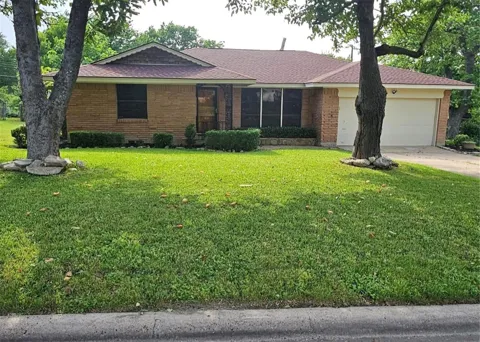
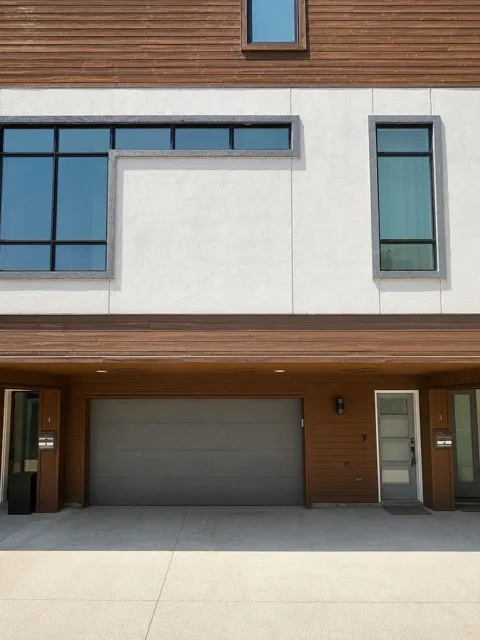
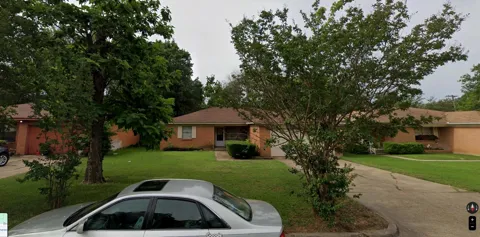
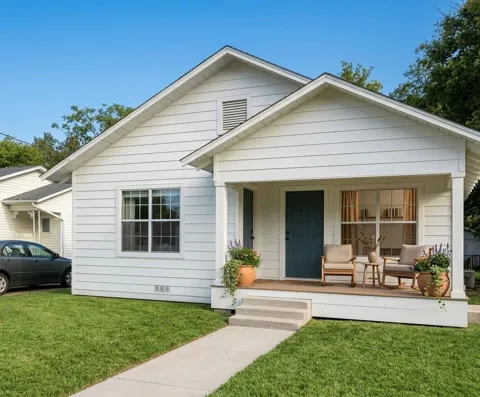
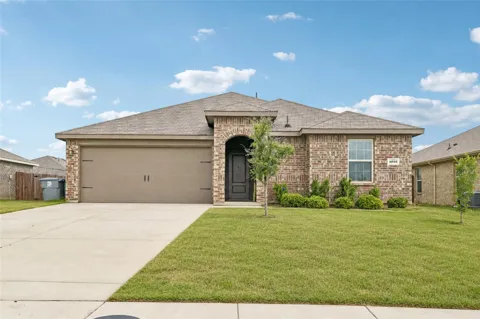
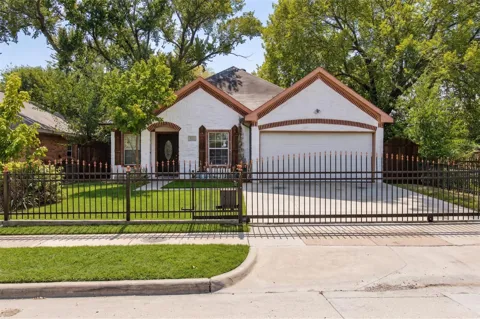
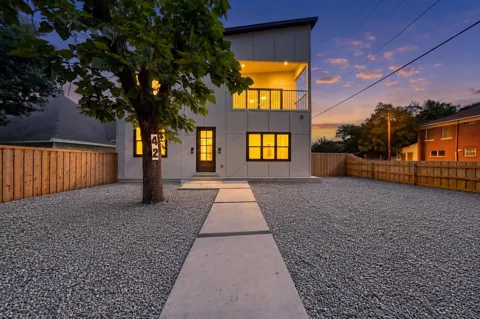
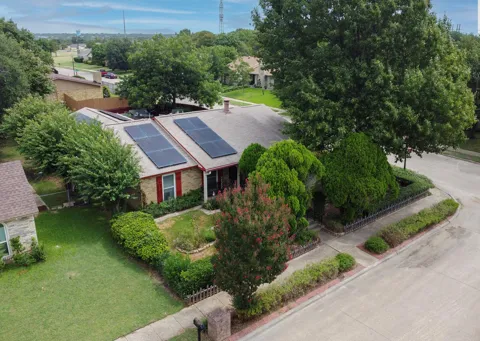
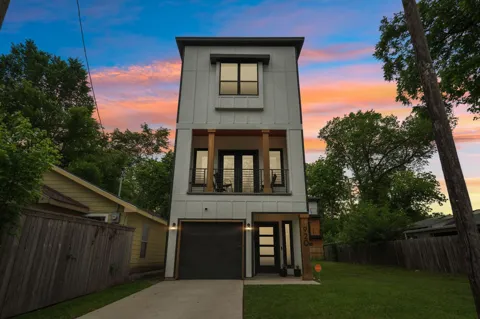
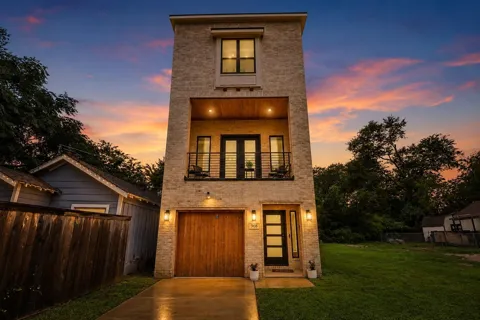
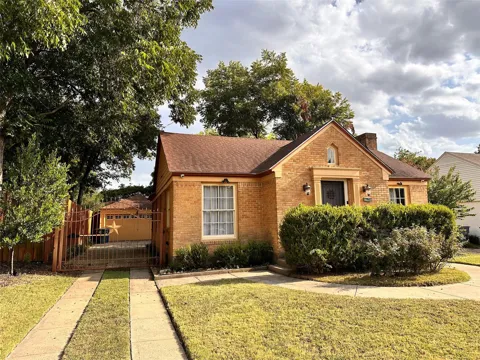
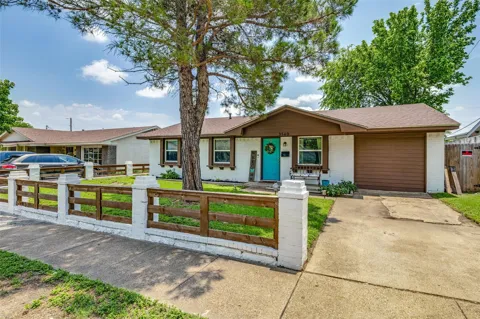
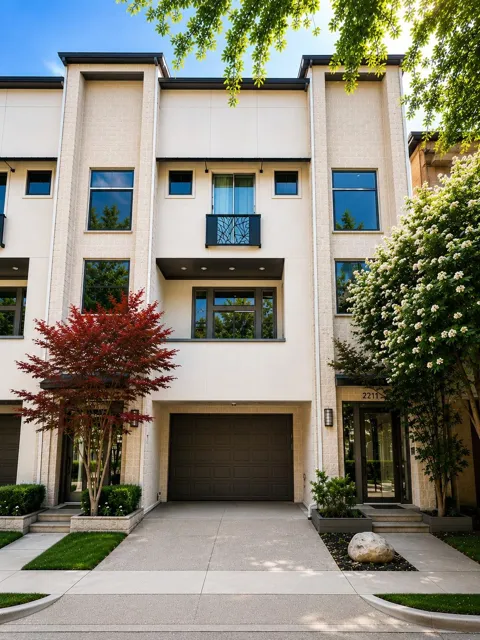
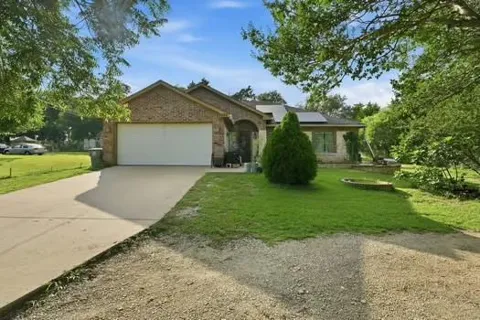
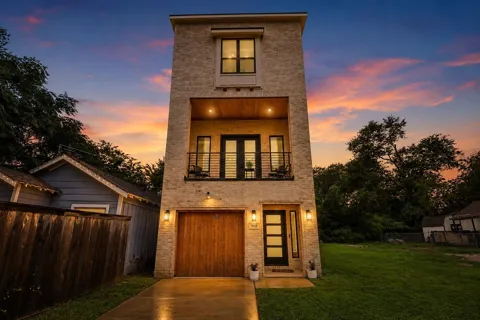
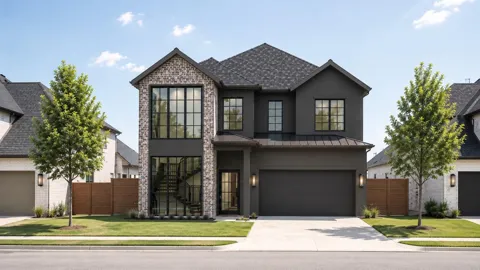
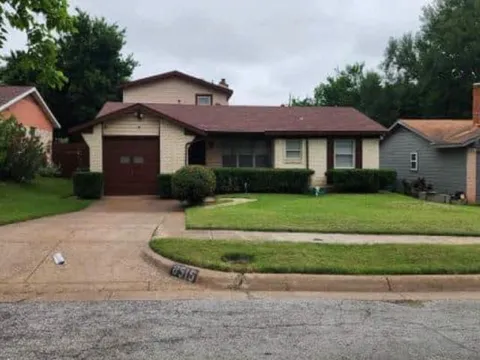
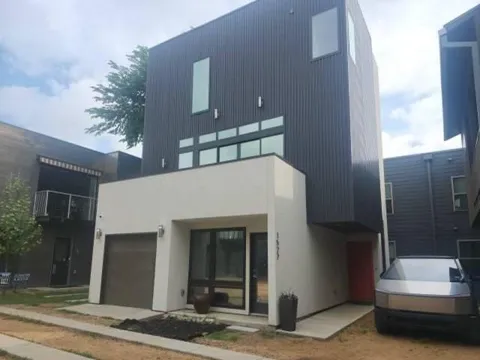
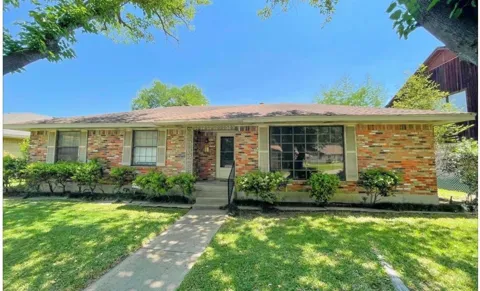
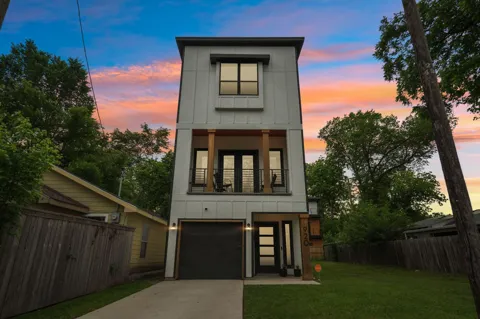
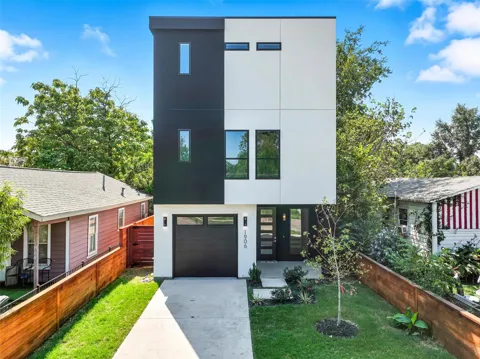
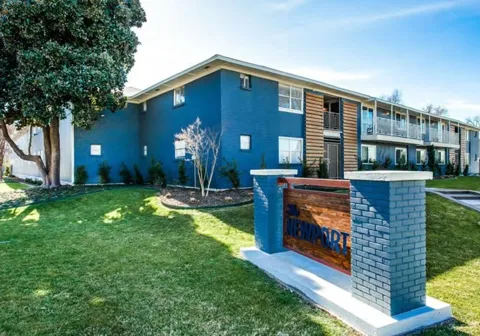
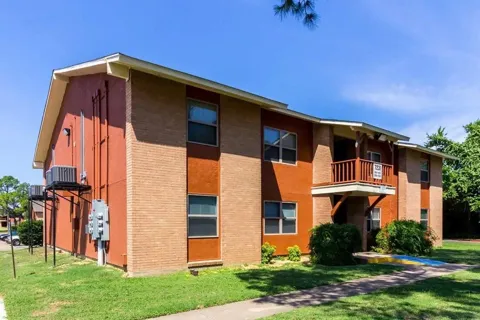
Dallas housing stock spans more than a century of building, giving buyers unusually varied options within a single city. Older districts in Old East Dallas, North Oak Cliff, and parts of North Dallas hold the city's historic fabric: 1920s-through-1940s Tudors, Spanish Eclectics, French Eclectics, Colonial Revivals, and Minimal Traditional houses, along with one of the largest collections of Craftsman homes in the Southwest in East Dallas' Munger Place area. The State Thomas neighborhood in Uptown preserves a large grouping of Victorian-era houses, while Lakewood, west of White Rock Lake, mixes period architecture with tree-shaded streets. Newer construction dominates far North Dallas, where subdivisions of brick ranch and contemporary homes predominate, and Uptown and Downtown add a vertical stock of condominiums and apartments. A buyer's choice is shaped less by scarcity of any style than by the era, lot size, and commute profile each district offers.
Dallas contains dozens of distinct neighborhoods, each with its own scale and character. Uptown, immediately north of downtown, is dense and walkable, with high-rise and mid-rise living, the Katy Trail, and the State Thomas historic district. Deep Ellum, east of downtown, is the city's historic live-music and mural-lined entertainment district. Across the Trinity River in North Oak Cliff, the Bishop Arts District clusters independent shops, galleries, and restaurants along walkable streets. Lakewood and the M Streets offer established, tree-lined single-family blocks near White Rock Lake and Lower Greenville's restaurants, while Preston Hollow and far North Dallas hold larger lots and an established single-family character. Knox-Henderson, Oak Lawn, and Lower Greenville round out the inner-ring neighborhoods popular for their proximity to jobs, dining, and recreation. Historic districts such as Munger Place and Swiss Avenue showcase early-twentieth-century architecture close to downtown.
Dallas' cultural life concentrates in the downtown Arts District, a dense cluster of museums and performance venues where the Dallas Museum of Art, Nasher Sculpture Center, Crow Museum of Asian Art, and Perot Museum of Nature and Science gather around Klyde Warren Park, a deck park built over a freeway that hosts food trucks, fitness classes, and concerts and acts as an informal town square. The AT&T Performing Arts Center anchors the performing-arts scene. Dining ranges from Texas barbecue and Tex-Mex to a nationally recognized fine-dining scene, and nightlife concentrates in Deep Ellum, Uptown, and Lower Greenville. The State Fair of Texas, one of the largest state fairs in the country, draws crowds to Fair Park each fall, while professional teams and college athletics round out the city's entertainment calendar.
Public education in Dallas is anchored by Dallas Independent School District, one of the state's largest, which operates more than seventy transformation and innovation schools alongside neighborhood campuses and offers families a wide menu of magnet, choice, and specialty programs. Surrounding the city, a network of independently governed districts—including Highland Park ISD, Richardson ISD, Plano ISD, and Allen ISD—serves adjacent communities and is frequently ranked among the strongest in the Dallas–Fort Worth region. Charter networks such as Uplift Education add further options, and the area is also home to several private and parochial schools as well as Southern Methodist University in the enclave city of University Park. For relocating families, school boundaries often follow city, suburb, and neighborhood lines, making district choice a key part of the home search.
Dallas is a freeway city built around a radial highway network that includes Interstate 35E, Interstate 30, Interstate 45, US 75 (the North Central Expressway), the Dallas North Tollway, and the LBJ Freeway (Interstate 635). Public transit is provided by Dallas Area Rapid Transit, whose light-rail system spans four color lines and 66 stations connecting downtown Dallas to Richardson, Plano, Garland, Irving, and DFW International Airport; a streetcar and extensive bus and GoLink services fill in local gaps. The Trinity Railway Express commuter rail links downtown Dallas to Fort Worth and points between. Air service is exceptional: Dallas Love Field sits just northwest of downtown, and DFW International Airport, one of the nation's busiest, lies between the two anchor cities and is reachable directly on DART's Orange Line and the Silver Line corridor.
Outdoor life in Dallas centers on White Rock Lake, a 1,015-acre lake about five miles northeast of downtown with a roughly nine-mile hike-and-bike loop and adjacent natural areas that host runs and community events. The Dallas park system counts more than sixty miles of trails, including the Katy Trail, which cuts through Uptown and Oak Lawn on a former rail corridor; the Santa Fe Trail; and the White Rock Creek Trail, which links a chain of northeast parks. Klyde Warren Park provides green space in the middle of the Arts District, while Fair Park, a National Historic Landmark campus east of downtown, hosts the State Fair of Texas and a collection of museums and performance venues. The Trinity River corridor adds further greenway and recreation projects as the city continues to connect its trail network.
MARKET SNAPSHOT
How homes have been selling here over the last 90 days.
Market data reflects closed sales over the last 90 days and is provided for informational purposes.
EXPLORE COMMUNITIES
Browse the neighborhoods and subdivisions in this area.
BROWSE BY ZIP
Browse listings by postal code in this area.