Dallas Suburb on Lake Ray Hubbard
Welcome to Garland, a large Dallas County city northeast of Dallas that combines DART Blue Line rail access with shoreline along Lake Ray Hubbard and a broad, established housing stock.
Garland is a large city in Dallas County, Texas, located immediately northeast of Dallas, with portions of the city extending into Collin and Rockwall counties. With a 2020 census population of 246,018, it ranks among the most populous cities in Texas and the United States, functioning as a major residential and employment center within the Dallas–Fort Worth metroplex rather than a small satellite suburb. The city developed through much of the 20th century as a manufacturing and residential community, and its mature neighborhoods and broad housing stock reflect that long build-out. Garland's identity rests on several foundations. It is one of the metroplex's more diverse cities, with a population drawn from many backgrounds, and its economy spans manufacturing, technology, and a substantial local retail base anchored by Firewheel Town Center and other commercial corridors. The city's downtown, organized around a historic square and the DART rail station, has been the focus of redevelopment and serves as a civic and transit hub. On its eastern side, Garland borders Lake Ray Hubbard, a large reservoir that gives the city waterfront access for fishing, boating, and lakeside recreation, with Bass Pro Shops and public parks along the shore. The Rowlett Creek Preserve offers a 16-mile staked loop trail system for mountain biking and hiking, and the Spring Creek Forest Preserve protects old-growth trees and a rich diversity of plant life, adding meaningful natural areas within the urban fabric. Transportation is a defining advantage. DART's Blue Line light rail runs through the city, with the Downtown Garland Station and South Garland Transit Center connecting residents directly to downtown Dallas and the broader regional rail network. Major highways, including I-635, the President George Bush Turnpike, and State Highway 78, provide freeway access across the metroplex. Students are served primarily by Garland Independent School District, one of the region's largest districts, with its distinctive choice-of-school enrollment system. Together, these assets make Garland a substantial, connected, and varied urban community within the Dallas metro.
Garland is primarily in Dallas County, Texas, with portions of the city extending into Collin and Rockwall counties. It lies immediately northeast of Dallas and is a major city within the Dallas–Fort Worth metroplex.
Garland is known for being one of the largest cities in Texas, for its DART Blue Line light rail connection to Dallas, and for its access to Lake Ray Hubbard on its eastern edge. The city is also known for its large Garland Independent School District and its diverse, established residential character.
Garland is served primarily by Garland Independent School District, one of the largest districts in the Dallas area, known for its 'Choice of School' enrollment model that lets families select among campuses and specialized programs. Some parts of the city may fall within neighboring districts. Families should verify options for a specific address.
Yes. DART's Blue Line light rail serves Garland with stations at Downtown Garland and the South Garland Transit Center, providing direct service to downtown Dallas and connections across the DART regional rail network, plus bus routes and access to the Trinity Railway Express.
Garland borders Lake Ray Hubbard, offering fishing, boating, and lakeside parks, and is home to the Rowlett Creek Preserve with a 16-mile loop trail system and the Spring Creek Forest Preserve with old-growth trees. The city's park system adds sports complexes and neighborhood parks for organized and informal recreation.
City Guide
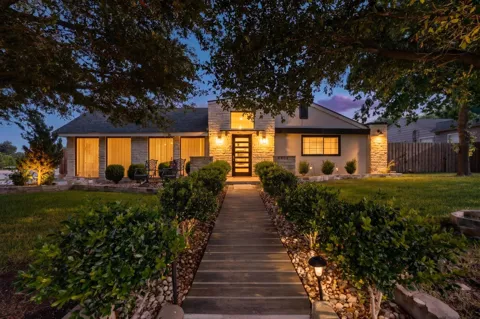
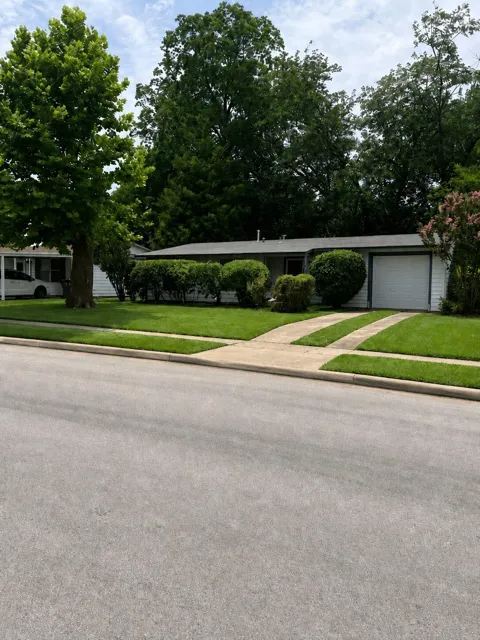
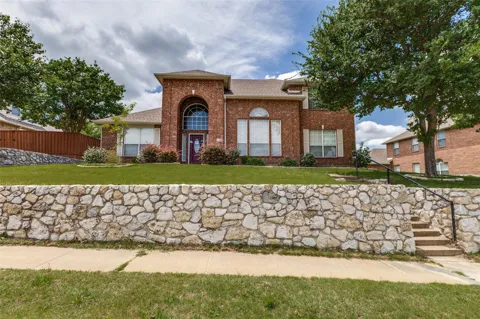
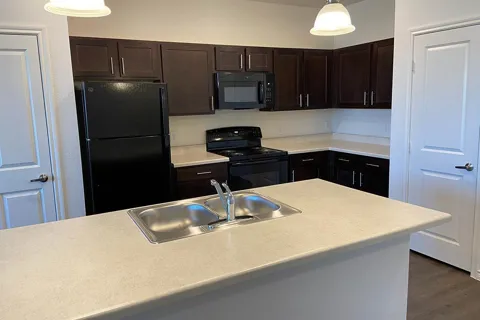
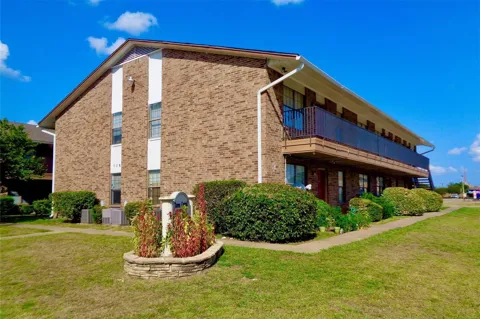
Garland's housing stock is broad and established, reflecting decades of growth from the mid-20th century onward. The city contains large numbers of ranch and traditional brick single-family homes on suburban lots, concentrated in neighborhoods built from the 1950s through the 1980s, along with newer subdivisions on the city's edges. Townhomes, duplexes, and apartments are also common, particularly near major corridors and the downtown area, giving the city a range of densities. Portions of Garland near Lake Ray Hubbard offer waterfront and lake-access properties. The variety of housing eras and types, combined with the city's size, means buyers can find everything from compact starter homes to larger established properties, with the market's character shaped by Garland's role as a mature, central metroplex city.
Garland's neighborhoods span a large and varied geography. The historic downtown, centered on the square and the DART station, anchors the city with a mix of older homes and redeveloped properties. Around it, established mid-century subdivisions—many built during the city's postwar boom—form the bulk of the residential fabric, offering mature trees and classic ranch and brick homes. The Firewheel area, in the northern part of the city, combines newer neighborhoods with the Firewheel Town Center retail district, while communities near Lake Ray Hubbard on the eastern edge offer waterfront living and access to the lake's parks. The city also includes diverse apartment and townhome areas along major corridors, reflecting its size and its role as an affordable, accessible metroplex community.
Garland offers a practical, family-oriented urban lifestyle within the Dallas metroplex. The city's diversity is reflected in its restaurants, markets, and community events, giving residents a rich and varied local culture. Firewheel Town Center and other retail districts provide shopping and dining close to home, while downtown Garland hosts a growing scene of small businesses and civic events around the rail station. Lake Ray Hubbard brings boating, fishing, and lakeside recreation to the city's edge, and the Rowlett Creek Preserve offers mountain biking and trails. With DART rail and freeways putting Dallas and the wider metroplex within easy reach, Garland functions as a connected, self-sufficient community where residents can access both local amenities and the region's larger attractions.
Garland is served primarily by Garland Independent School District, one of the largest districts in the Dallas area, operating dozens of campuses and serving a diverse student body. The district is known for its "Choice of School" enrollment model, which allows families to select among campuses and specialized programs rather than being limited to a single neighborhood school, a distinctive feature of education in the city. Portions of Garland may also fall within neighboring districts given the city's size and boundaries. Families relocating to Garland typically explore both their assigned options and the district's choice programs when selecting schools. The presence of a large district with many specialized pathways makes education a notable strength of the community.
Garland is one of the more transit-connected cities in the Dallas suburbs, served by DART's Blue Line light rail at the Downtown Garland Station and South Garland Transit Center, with direct service to downtown Dallas and connections across the regional rail network. DART bus routes provide local coverage, and the Trinity Railway Express links the region toward Fort Worth. For drivers, I-635, the President George Bush Turnpike, and State Highway 78 offer major freeway access across the metroplex. Dallas Love Field and DFW International Airport are reachable via the regional highway system. This combination of light rail, bus, and freeway infrastructure gives Garland residents multiple ways to reach employment and destinations across the Dallas–Fort Worth region.
Garland's recreation centers on Lake Ray Hubbard, which forms part of the city's eastern edge and offers fishing, boating, and lakeside parks, with Bass Pro Shops and public boat access along the shore. The Rowlett Creek Preserve provides a 16-mile loop trail system for mountain biking and hiking, while the Spring Creek Forest Preserve protects old-growth forest and diverse plant life. The city's park system includes neighborhood parks, sports complexes, and community centers supporting organized athletics and programs. Firewheel Town Center adds shopping and entertainment, and downtown Garland hosts community events and festivals. With these local amenities plus the broader Dallas–Fort Worth region's attractions, Garland offers residents a full range of everyday and regional recreation.
MARKET SNAPSHOT
How homes have been selling here over the last 90 days.
Market data reflects closed sales over the last 90 days and is provided for informational purposes.
BROWSE BY ZIP
Browse listings by postal code in this area.