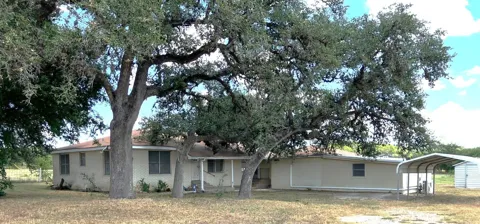
DeWitt County Seat
The DeWitt County seat and "Turkey Capital of the World," rooted in Chisholm Trail history along the Guadalupe River.
Cuero is a city in South Central Texas and the county seat of DeWitt County, situated along the Guadalupe River roughly midway between San Antonio and the Gulf Coast. With a population of about 8,100, it is the commercial and governmental center of a largely rural county, and its identity is deeply rooted in the ranching and agricultural history of the Texas coastal plain. Long before it was formally founded, the area around present-day Cuero served as a stopping point on the Chisholm Trail, the great cattle route that carried Texas herds north to Kansas. The Guadalupe River provided water for those drives, and the settlement that grew up around the crossing was officially recognized as a town in 1873. That dual legacy—cattle and river—still defines Cuero's sense of place. The Chisholm Trail Heritage Museum, housed in historic downtown buildings, interprets the region's cowboy and ranching past, while the river remains a defining geographic feature. Cuero's other famous heritage is its turkey industry. By the early twentieth century the town was shipping processed turkeys nationwide, and it adopted the title "Turkey Capital of the World." Since 1912 the community has celebrated that legacy with its turkey trot parade, now the centerpiece of the annual Turkeyfest. The local schools, run by the Cuero Independent School District, span pre-kindergarten through twelfth grade across four campuses, anchoring the city's family-oriented character. Today Cuero balances its historic role as a county seat with the rhythms of a working South Texas town. Agriculture, ranching, county government, and regional energy and service employment sustain the economy, while the historic downtown and the courthouse square keep the community's heritage visible. For residents, Cuero offers a genuine small-town Texas life—deep history, a strong sense of local identity, and a location within reach of both the Hill Country edge and the coast.
Cuero is in DeWitt County, Texas, and serves as the county seat. It sits along the Guadalupe River in South Central Texas, roughly midway between San Antonio and the Gulf Coast.
Cuero is known as the 'Turkey Capital of the World' for its early-twentieth-century turkey industry, celebrated each year by Turkeyfest and its turkey trot parade. The city also has deep Chisholm Trail roots as a cattle-drive stopping point along the Guadalupe River.
Cuero is served by the Cuero Independent School District, a public school district based in the city. It operates four campuses spanning pre-kindergarten through twelfth grade and serves roughly 1,900 students from Cuero and the surrounding DeWitt County area.
Cuero grew up along the Chisholm Trail cattle route to Kansas and was officially recognized as a town in 1873. The Chisholm Trail Heritage Museum in Cuero preserves the area's ranching and cattle-drive history, alongside the city's turkey-industry heritage.
Cuero sits along the Guadalupe River, which provides recreation such as fishing and paddling, and the Guadalupe-Blanco River Authority highlights the river's role in the city's founding as a Chisholm Trail stopping point. The city is roughly midway between San Antonio and the Gulf Coast.
City Guide
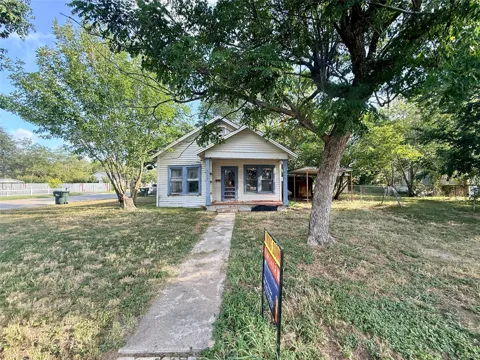
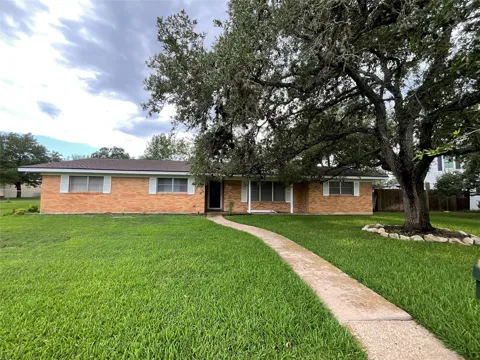
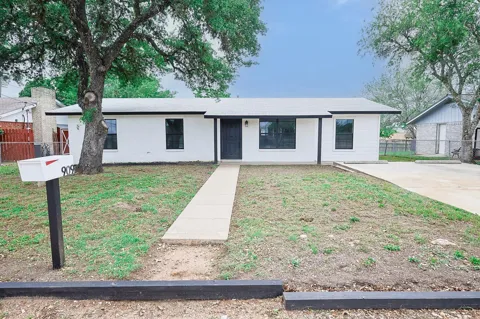
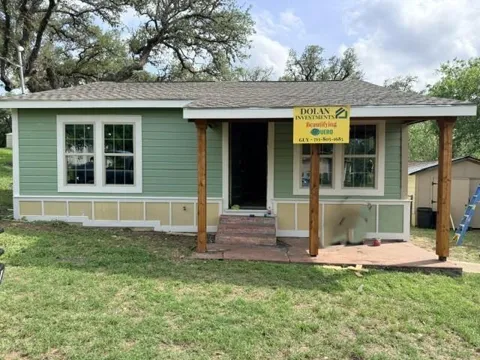
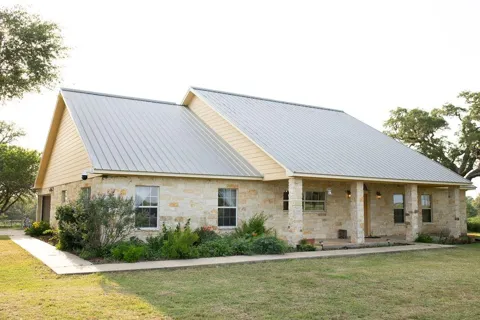
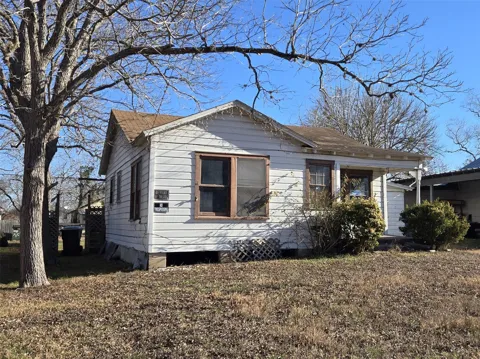
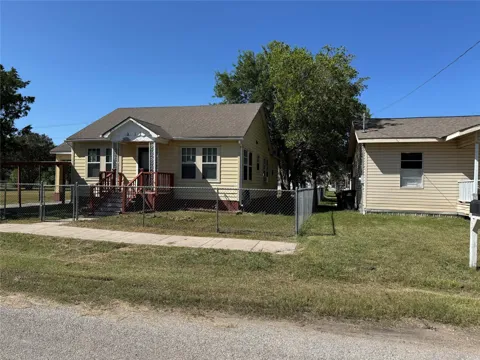
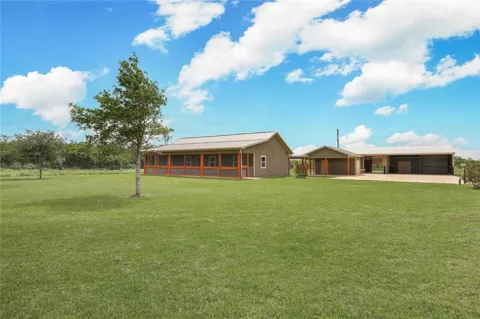
Cuero's housing reflects its role as an established South Texas county seat. The stock includes a notable collection of older, character-rich homes near downtown—Victorian, Craftsman, and early-twentieth-century styles—alongside mid-century ranch houses and newer single-family construction on the city's edges. Lots are generally comfortable by urban Texas standards, with mature trees in the older neighborhoods and larger parcels available on the outskirts. Housing tends toward the affordable end of the spectrum, serving a mix of long-time families, young households, and workers tied to county government, agriculture, and energy-related employment. The historic core remains a distinctive draw for buyers who value older architecture.
Cuero's neighborhoods radiate from its historic downtown, where the DeWitt County Courthouse and the storefronts of the commercial district form the community's center. The surrounding streets hold some of the city's oldest homes, with tree-lined blocks of Victorian and early-twentieth-century architecture. Farther out, mid-century subdivisions and newer residential areas spread toward the city's edges and the Guadalupe River corridor. The layout is a familiar South Texas pattern: a compact, walkable core giving way to larger lots and more recent growth, with the river and its bottomlands shaping the eastern and southern reaches of town.
Cuero's civic life is animated by its heritage, most visibly during Turkeyfest, the century-old fall celebration built around the community's claim to the title "Turkey Capital of the World" and its famous turkey trot parade. The Chisholm Trail Heritage Museum anchors a broader appreciation of the region's ranching and cattle-drive past, and the historic downtown around the DeWitt County Courthouse provides a traditional Texas town-square setting. Daily life is unhurried and family-oriented, tied to agriculture, ranching, and the services that support a rural county seat. It is a community where local history is not a backdrop but an active part of civic identity.
Cuero is served by the Cuero Independent School District, a regular local district based in the city that operates four campuses spanning pre-kindergarten through twelfth grade and serves roughly 1,900 students. The district's compact, four-school structure keeps the educational path consolidated—elementary, junior high, and Cuero High School—so students remain within a single, close-knit system from kindergarten through graduation. As the county seat's district, Cuero ISD draws from both the city and surrounding DeWitt County, and its schools are central to the community's family-oriented culture and its Friday-night identity.
Cuero sits at the junction of U.S. Highways 87 and 183, which connect the city north toward San Antonio and southeast toward the Gulf Coast, and U.S. 77 nearby ties it to Victoria and the broader South Texas highway network. This crossroads position, historically central to its role as a cattle-drive and market town, still makes Cuero a practical base for regional travel. There is no passenger rail or air service in the city; residents use Victoria Regional Airport or San Antonio's larger airport for commercial flights. Within town, the compact street grid keeps most trips short and local.
The Guadalupe River runs along Cuero's edge, providing fishing, paddling, and riverbank recreation and linking the city to the river's wider heritage as the lifeblood of the Chisholm Trail crossing. The Chisholm Trail Heritage Museum and the historic downtown offer year-round cultural recreation, while Turkeyfest brings the community together each fall around the century-old turkey trot parade. The surrounding DeWitt County countryside supports hunting, birding, and rural outings, and the city's parks provide everyday green space. Cuero's position midway between San Antonio and the Gulf Coast also puts regional recreation—from Hill Country towns to coastal fishing—within an easy drive.
MARKET SNAPSHOT
How homes have been selling here over the last 90 days.
Market data reflects closed sales over the last 90 days and is provided for informational purposes.
BROWSE BY ZIP
Browse listings by postal code in this area.