Crossroads of South Texas
Welcome to Victoria, the Victoria County seat and "Crossroads of South Texas," set on the Guadalupe River with a rich Mexican-Texan founding history.
Victoria is the county seat of Victoria County, in south central Texas, situated beside the Guadalupe River about 30 miles inland from the Gulf of Mexico. Long marketed as the 'Crossroads of South Texas,' the city sits where U.S. Highways 59, 77, and 87 converge, placing it within roughly a two-hour drive of Houston, Austin, San Antonio, and Corpus Christi. That crossroads position has shaped Victoria's economy and identity since its earliest days. The city's history runs deep. Founded in 1824 by Martín de León as part of his vision for a Mexican settlement in Texas, Victoria was named for Guadalupe Victoria, the first president of independent Mexico, and for Our Lady of Guadalupe. It ranks among the oldest continuously settled communities in the state, and its downtown retains the courthouse and commercial architecture of a long-established county seat. That heritage distinguishes Victoria from many newer Texas cities. Today Victoria is a regional hub for a broad agricultural and commercial area, with a population of roughly 66,000 and a metropolitan area that reaches into neighboring counties. Education plays a central role: Victoria Independent School District serves the city's students, while the University of Houston-Victoria and Victoria College bring higher-education options to the community. The Guadalupe River and the 562-acre Riverside Park anchor a strong outdoor recreation scene, from kayaking and fishing to trails, disc golf, and the Texas Zoo. Residential areas range from established in-town neighborhoods to newer subdivisions, including areas near the university campuses. For families, professionals, and anyone drawn to a historic, mid-sized Texas city at the center of the Coastal Bend and South Texas regions, Victoria offers a grounded, well-connected place to live.
Victoria is located in Victoria County, Texas, and serves as the county seat. The city sits in south central Texas, about 30 miles inland from the Gulf of Mexico, beside the Guadalupe River.
Victoria is known as the 'Crossroads of South Texas' because U.S. Highways 59, 77, and 87 intersect in the city. It is also one of the oldest cities in Texas, founded in 1824 by Martín de León.
Victoria was named for Guadalupe Victoria, the first president of independent Mexico, and for Our Lady of Guadalupe. The city was founded in 1824 by Martín de León as part of a Mexican settlement in Texas.
Victoria Independent School District serves the city's students. The city is also home to the University of Houston-Victoria and Victoria College, making it an education center for the surrounding region.
Victoria offers the 562-acre Riverside Park with trails, disc golf, and a rose garden, plus kayaking and fishing on the Guadalupe River and the Texas Zoo. The city sits within about two hours of Houston, San Antonio, Austin, and Corpus Christi.
City Guide
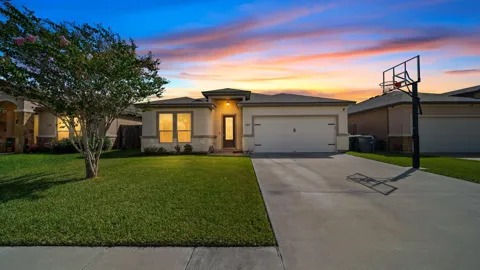
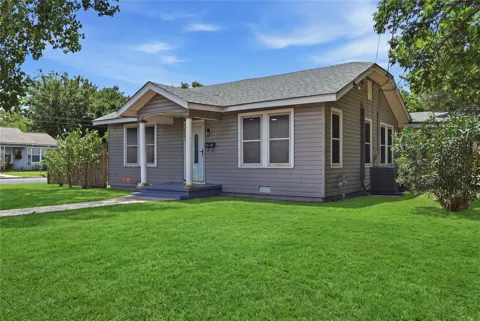
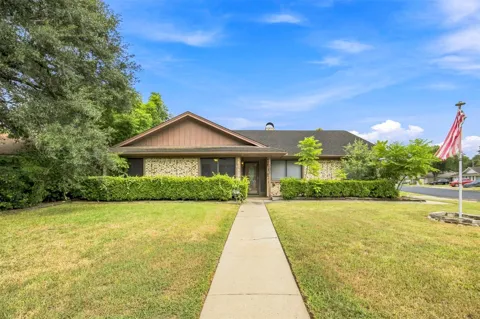
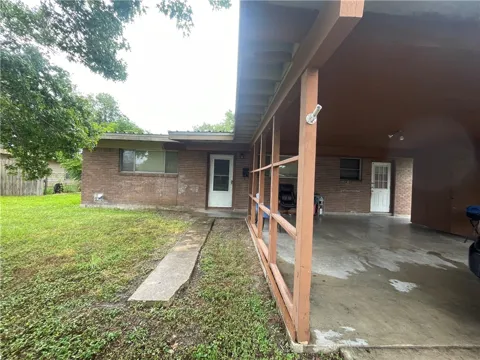
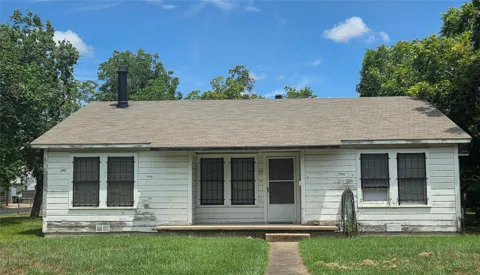
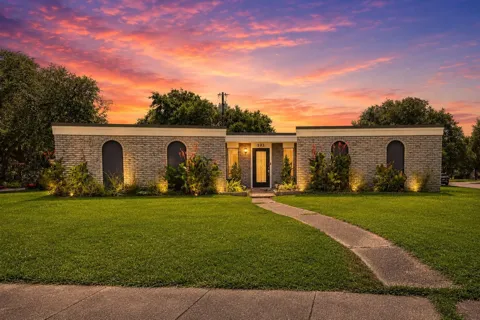
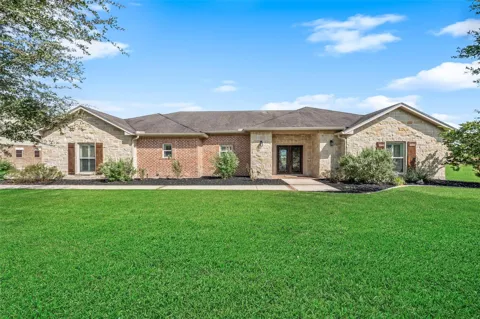
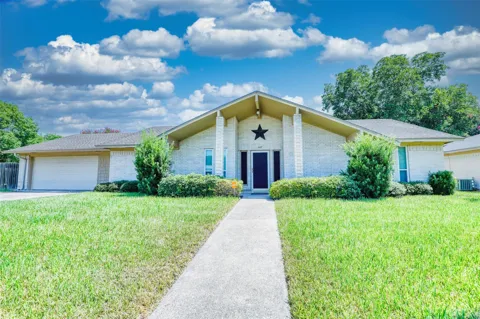
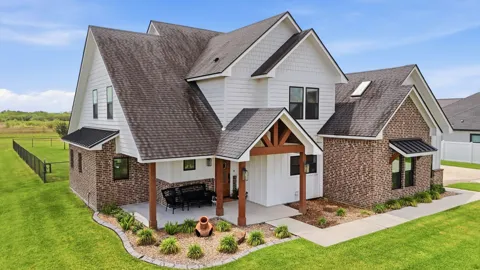
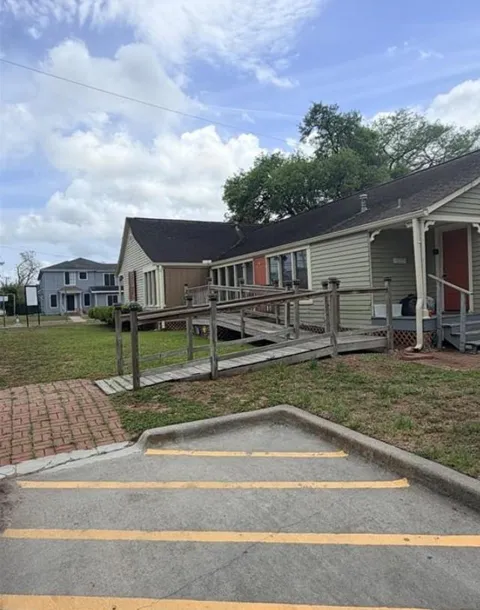
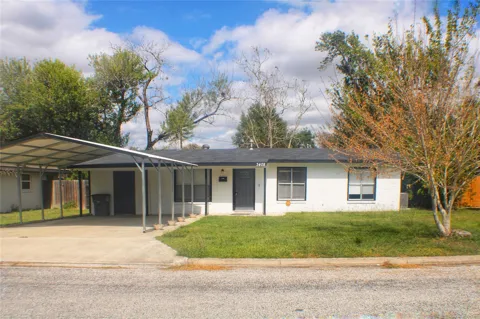
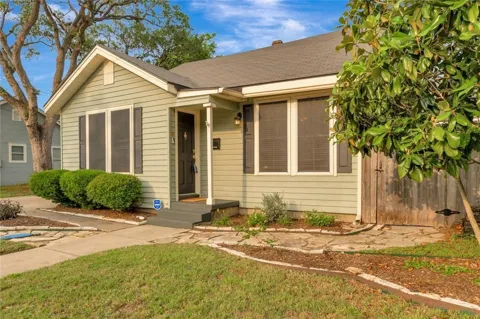
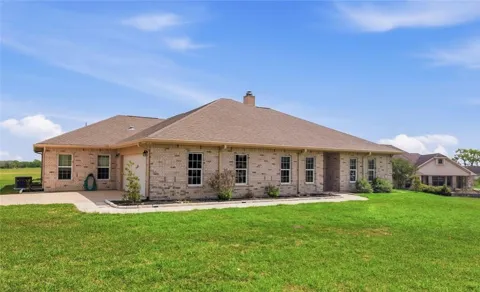
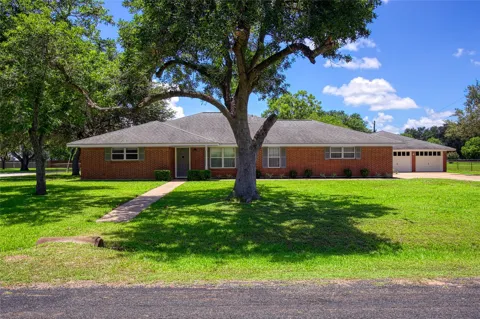
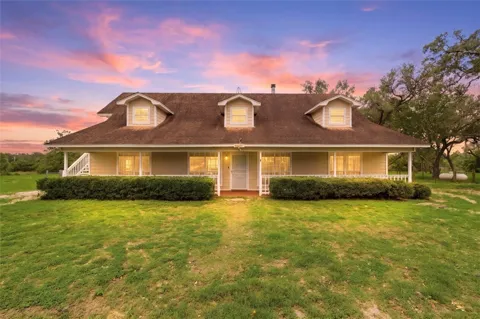
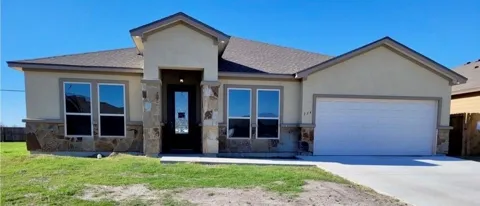
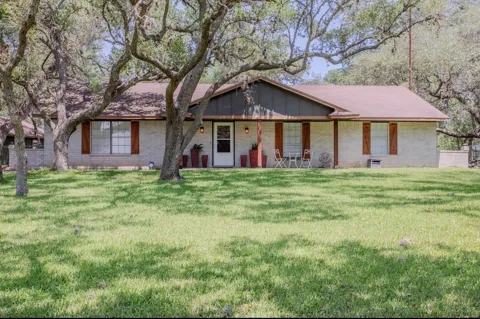
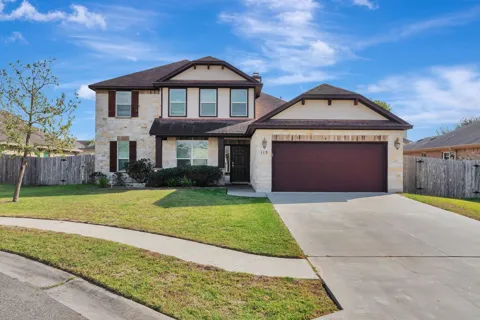
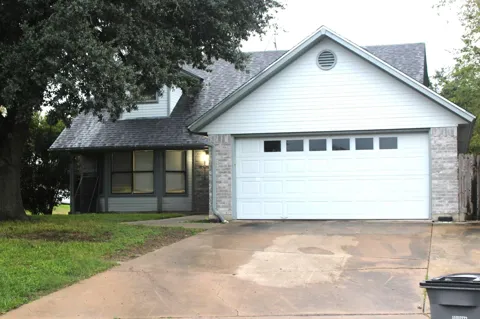
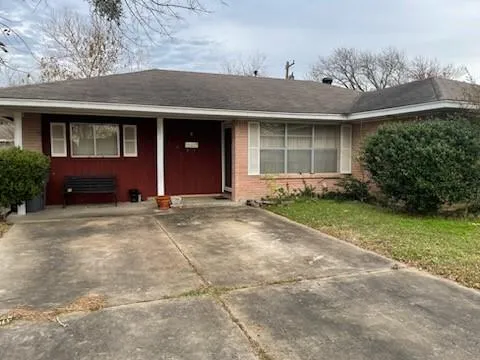
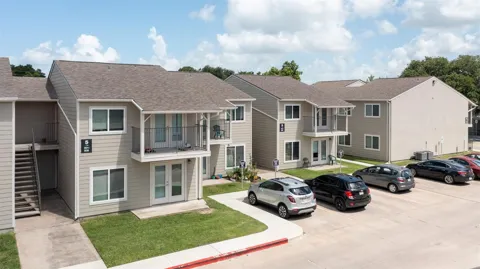
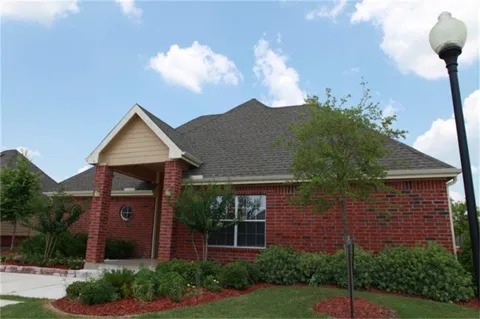
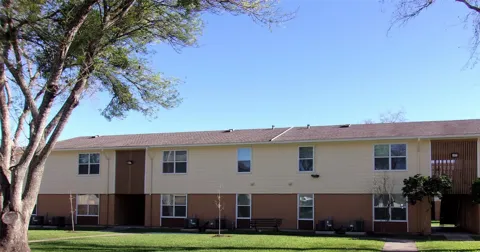
Victoria's housing stock mixes established in-town neighborhoods with newer growth on the city's edges. Historic and mid-century homes sit near the downtown core, while subdivisions such as Tanglewood offer classic suburban character — larger lots, mature trees, and family residences within walking distance of the University of Houston-Victoria and Victoria College campuses. The market includes single-family homes, townhouses, and condominiums, with a range of sizes and ages. As a regional crossroads city, Victoria provides comparatively broad housing choice for South Texas, serving both long-time residents and newcomers drawn to the area's employers and institutions.
Victoria's neighborhoods radiate from its downtown and courthouse district, where older homes reflect the city's 19th- and early-20th-century growth. Tanglewood is a notable established area, known for mature trees, larger homes, and convenient access to the university and college campuses. Around it, a mix of mid-century subdivisions and newer developments fills out the city. The riverside and park-adjacent areas offer additional appeal for those wanting proximity to Riverside Park and the Guadalupe River. Overall, the city's residential pattern is classic for a Texas county seat — compact and historic at the center, more spacious toward the edges.
Victoria offers the pace and character of a historic South Texas county seat. Downtown anchors civic life with its courthouse, local restaurants, and events, while the Guadalupe River provides a scenic backdrop for outdoor activity. The presence of the University of Houston-Victoria and Victoria College adds an academic and cultural dimension, from campus events to a broader dining and entertainment scene. As the regional crossroads, the city serves surrounding agricultural communities, giving it a practical, working character. Residents enjoy access to San Antonio, Houston, Austin, and Corpus Christi, all within about two hours by highway.
Victoria Independent School District serves the city, enrolling roughly 13,000 students across its campuses. The district provides elementary, middle, and high schools, along with specialized and alternative programs. Higher education is a defining feature: the University of Houston-Victoria offers bachelor's and graduate degrees, and Victoria College provides associate degrees, workforce training, and a pathway to four-year study. This combination of a substantial K-12 district and two higher-education institutions makes Victoria an education center for the surrounding region.
Victoria's identity as the 'Crossroads of South Texas' rests on its highway network. U.S. Highways 59, 77, and 87 intersect in the city, placing Houston, San Antonio, Austin, and Corpus Christi each within roughly two hours by car. The Guadalupe River and surrounding agricultural lands reinforce the city's role as a regional freight and services hub. Within the city, travel is primarily by car, with a traditional street grid around downtown and arterial roads serving newer neighborhoods. Air travel is available through the region's airports, including those in the larger cities nearby.
Victoria's recreation is anchored by Riverside Park, a 562-acre riverside green space offering biking and hiking trails, disc golf, a rose garden, and birding along the Guadalupe River. The river itself supports kayaking, paddling, and fishing. The Texas Zoo provides a family-oriented attraction, and the city's parks and sports facilities serve daily recreation needs. Golf courses and additional outdoor options round out the scene. Combined with the city's position near the Gulf Coast, Victoria offers residents both riverfront recreation and convenient access to coastal and Hill Country destinations.
MARKET SNAPSHOT
How homes have been selling here over the last 90 days.
Market data reflects closed sales over the last 90 days and is provided for informational purposes.
BROWSE BY ZIP
Browse listings by postal code in this area.