Joe Pool Lake Hillside Suburb
Welcome to Cedar Hill, a Dallas County suburb on Joe Pool Lake known for its state park, hilltop views, and green space.
Cedar Hill is a city in Dallas and Ellis counties, Texas, situated along the eastern shore of Joe Pool Lake approximately sixteen miles southwest of downtown Dallas. With a population of about 49,000, it is a significant suburb in the southern sector of the Dallas-Fort Worth metroplex. The community's history reaches back to the nineteenth century, when it grew as a small agricultural settlement in the hills of what is now southwest Dallas County. Cedar Hill officially incorporated in 1938, but its most dramatic growth came in the 1980s and 1990s, after Joe Pool Lake opened in 1989 and the city became a destination for residential development. The city is known for its natural setting. Cedar Hill sits atop a notable elevation change — its namesake hill is among the higher points in the Dallas area — and the surrounding landscape of wooded ridges and lake shoreline sets it apart from the flatter suburbs to the north. Cedar Hill State Park, located on Joe Pool Lake, offers camping, hiking, mountain biking, and shoreline recreation, while the Dogwood Canyon Audubon Center protects important Hill Country habitat within the metroplex. Cedar Hill's neighborhoods range from established mid-century subdivisions to newer master-planned communities and lake-area developments. The city's 52 neighborhood and community parks and a network of greenbelts reinforce its outdoors-oriented identity. Public education is provided by the Cedar Hill Independent School District. The city's location along U.S. Route 67 and Interstate 20 places downtown Dallas within about sixteen miles and Fort Worth within about thirty, connecting residents to the broader region's employment, cultural, and air-travel centers.
Cedar Hill is located in Dallas and Ellis counties, Texas, approximately sixteen miles southwest of downtown Dallas along the eastern shore of Joe Pool Lake in the Dallas-Fort Worth metroplex area of North Texas.
Cedar Hill is known for its natural setting, including Joe Pool Lake, Cedar Hill State Park, and the Dogwood Canyon Audubon Center, along with its namesake hill, one of the higher points in the Dallas area.
Cedar Hill is served by the Cedar Hill Independent School District, which provides public education for the city and operates a network of elementary, middle, and high schools across the community in southwest Dallas County.
Cedar Hill sits about 16 miles southwest of downtown Dallas and roughly 30 miles from downtown Fort Worth, with access to both cities via U.S. Route 67 and Interstate 20 in the southern metroplex.
Cedar Hill maintains 52 neighborhood and community parks and a system of greenbelts, anchored by Cedar Hill State Park on Joe Pool Lake and the Dogwood Canyon Audubon Center, a protected Hill Country habitat within the metroplex.
City Guide
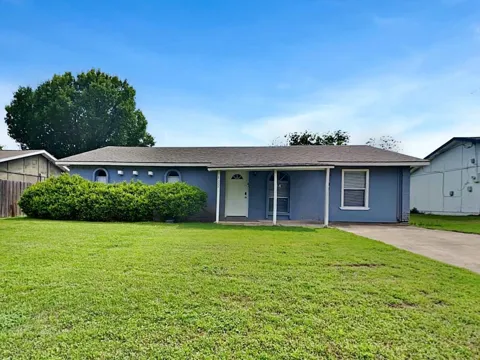
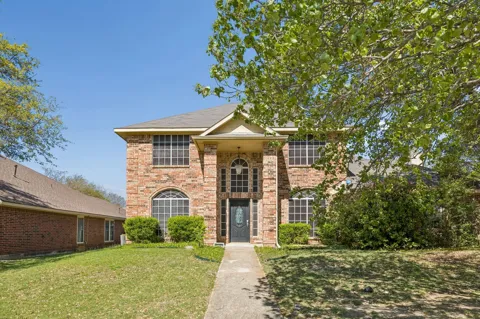
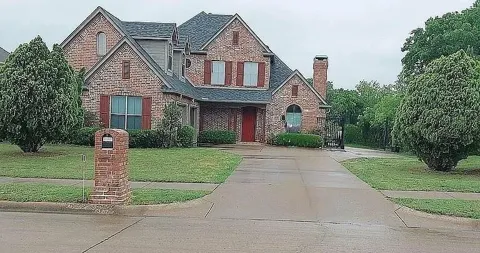
Cedar Hill's housing stock spans several decades of suburban growth, concentrated in the 1980s and 1990s after Joe Pool Lake opened. The market includes established mid-century subdivisions, larger newer single-family communities, and some lake-area and hillside properties with views. Homes range from practical suburban houses to larger residences in newer master-planned neighborhoods. The city's elevated, wooded terrain and abundance of green space distinguish it from surrounding suburbs, and its lakefront and ridge locations add a premium, outdoors-oriented dimension to the local housing mix.
Cedar Hill's neighborhoods climb the wooded hills and ridges that give the city its name, with residential areas spread between U.S. Route 67 and Joe Pool Lake. Established subdivisions from the city's mid-century era sit alongside newer master-planned communities and lake-oriented developments. The city's elevation changes and tree cover create distinct neighborhood settings, many with views toward the lake or the Dallas skyline. The downtown and City Center area anchors civic and commercial life, while the 52-park system and greenbelts tie the neighborhoods together.
Cedar Hill's lifestyle is defined by its natural setting within the metroplex. Residents enjoy access to Joe Pool Lake, Cedar Hill State Park, and a dense network of neighborhood parks and greenbelts that support hiking, mountain biking, and lake recreation. The city's hilltop and wooded-ridge terrain gives everyday life a greener, more varied backdrop than typical flat suburban Dallas. Community life centers on schools, parks, and local events, while shopping, dining, and services cluster along U.S. Route 67. The city's blend of outdoor access and suburban convenience appeals to families and outdoor enthusiasts alike.
Cedar Hill is served by the Cedar Hill Independent School District, which provides public education for the city across a network of elementary, middle, and high schools. The district anchors community life in this southern metroplex suburb and is a central consideration for families relocating to the area. The city's schools are complemented by the broader educational resources of the Dallas-Fort Worth region, including private and charter options, and the district's campuses are closely integrated with the city's parks, athletics, and civic programs.
Cedar Hill is served by U.S. Route 67, the primary north-south corridor through the city, and is near Interstate 20, which crosses the southern metroplex. This places downtown Dallas roughly sixteen miles to the northeast and Fort Worth about thirty miles to the west. The city's position gives commuters access to the Dallas-Fort Worth employment market, and Dallas/Fort Worth International Airport is reachable via the regional highway network. Local roads connect the city's hillside neighborhoods, the lakefront, and the City Center district.
Cedar Hill's recreation is anchored by its parks and lakefront. Cedar Hill State Park, on Joe Pool Lake, offers camping, hiking, mountain biking, fishing, and shoreline access, while the Dogwood Canyon Audubon Center protects wooded Hill Country habitat with trails and nature programs. The city's 52 neighborhood and community parks and a system of greenbelts provide playgrounds, sports fields, and walking paths across the community. Joe Pool Lake itself supports boating, fishing, and marinas, making outdoor recreation a defining feature of life in the city.
MARKET SNAPSHOT
How homes have been selling here over the last 90 days.
Market data reflects closed sales over the last 90 days and is provided for informational purposes.
BROWSE BY ZIP
Browse listings by postal code in this area.