Tyler County Seat in East Texas
Welcome to Woodville, the Tyler County seat set amid the piney woods of Deep East Texas and known for its spring dogwood festival and pioneer heritage.
Woodville is the county seat of Tyler County, a sparsely settled county in the piney woods of Deep East Texas. The town sits where U.S. Highway 69 and U.S. Highway 190 intersect, a crossroads that has long made it the government, retail, and services hub for a county of roughly 20,000 residents. Its courthouse square anchors a compact commercial district, while residential streets fan out beneath a canopy of pines and hardwoods. The town's identity is tied to East Texas's forests and its pioneer past. Woodville grew as a timber and agricultural center, and that heritage is preserved at the Heritage Village Museum just outside town, a collection of more than 30 relocated and replicated pioneer structures that began as a mid-century tourist attraction and grew into a serious regional museum. The Allan Shivers Library and Museum honors Allan Shivers, the Texas governor who spent his childhood in Woodville and became the first president of the Texas State Historical Survey Committee, the forerunner of the Texas Historical Commission. Each spring, Woodville draws visitors for its Dogwood Festival, an observance that emerged decades ago when a local leader urged residents to celebrate the area's flowering dogwoods. The celebration is one of the region's signature annual events and reflects the slower, community-centered rhythm of life here. For residents, Woodville offers a quiet, small-town pace with the practical advantages of a county seat — a hospital district, county offices, schools, and everyday shopping — without the congestion of larger East Texas cities. The surrounding landscape is Woodville's greatest amenity. The town is within reach of Lake Tejas, Sam Rayburn Reservoir, and Martin Dies Jr. State Park, all of which provide fishing, boating, camping, and hiking in the East Texas woods. For people drawn to rural living with a defined town center, Woodville is a genuine county-seat community rather than a bedroom suburb.
Woodville is in Tyler County, Texas, and serves as the county seat. Tyler County is a rural county in Deep East Texas, named for John Tyler, the tenth President of the United States. As the seat, Woodville hosts the county courthouse, government offices, and many regional services, making it the administrative and commercial center for the roughly 20,000 people who live across the county.
Woodville is best known for its spring Dogwood Festival and the Heritage Village Museum, a collection of more than 30 relocated and replicated pioneer structures that grew out of a mid-20th-century tourist attraction. The town is also associated with Governor Allan Shivers, who spent his childhood there, and the Allan Shivers Library and Museum preserves his legacy along with regional history.
The Woodville Independent School District serves the town and surrounding portions of Tyler County. The district operates about four campuses serving roughly 1,000 students, including Woodville High School. It is part of the Texas Education Agency's Region 5 service center covering Southeast Texas.
Woodville sits near several outdoor destinations. Lake Tejas offers local swimming and fishing, while Sam Rayburn Reservoir and Martin Dies Jr. State Park provide boating, camping, and paddling within a short drive. The surrounding piney woods of Tyler County support hunting, hiking, and seasonal dogwood viewing, and the annual Dogwood Festival celebrates the region's spring bloom.
City Guide
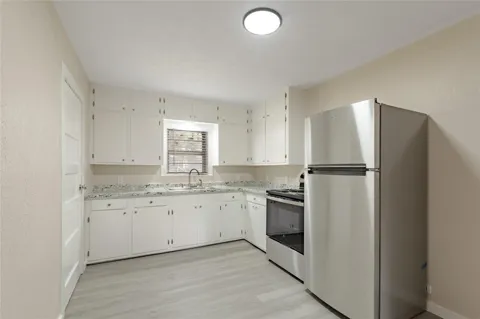
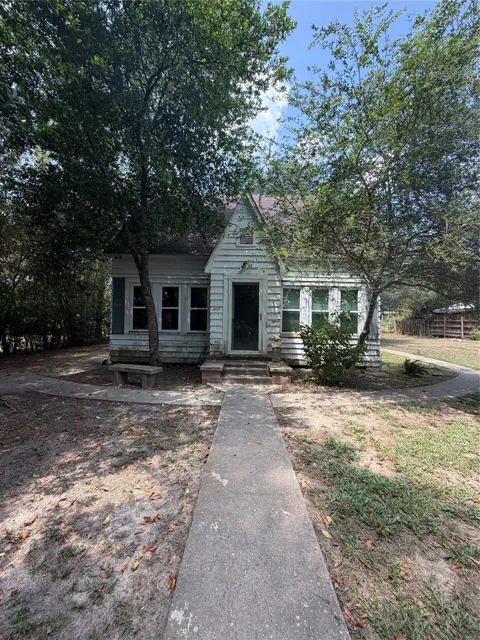
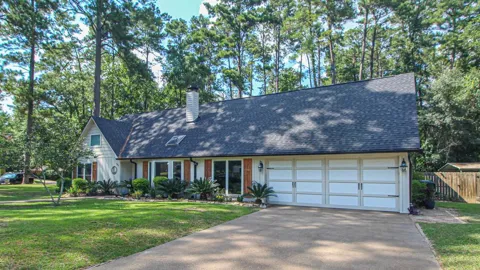
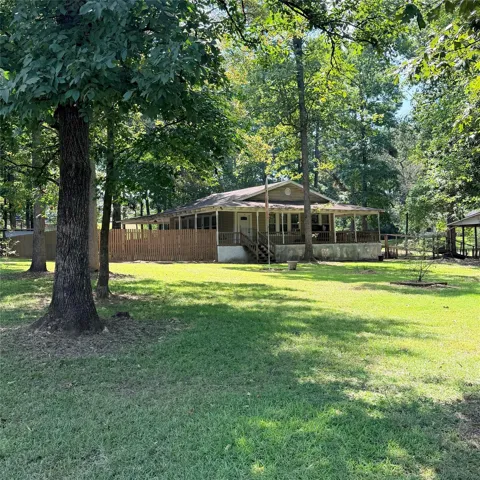
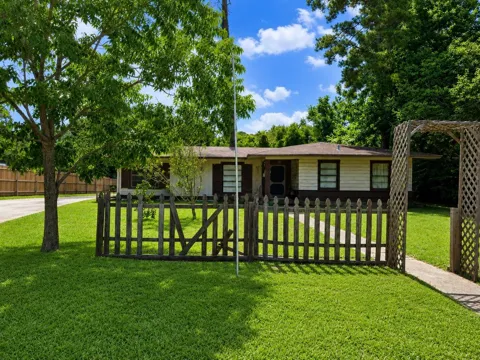
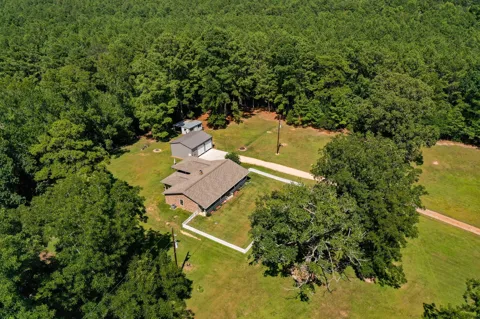
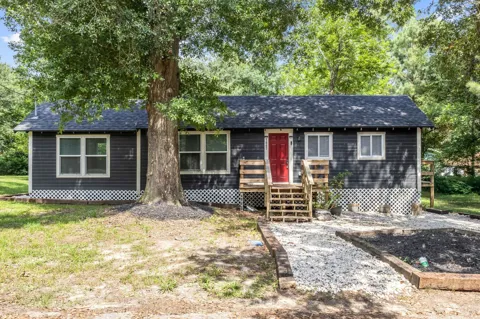
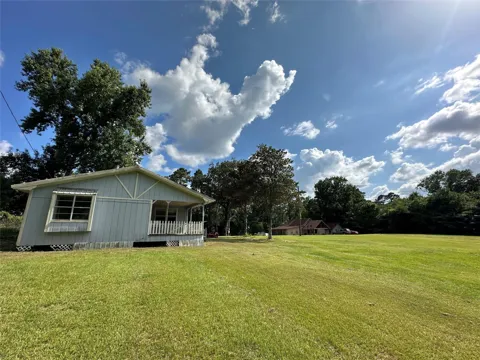
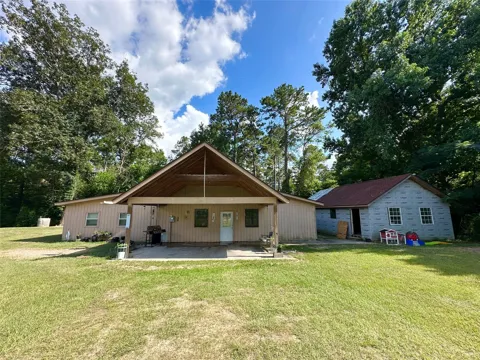
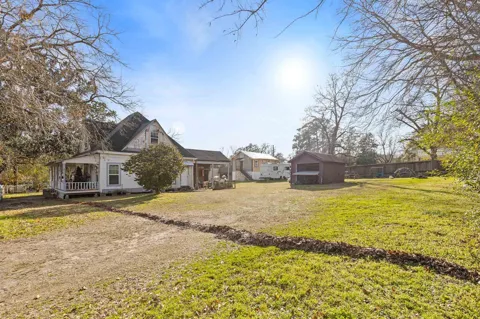
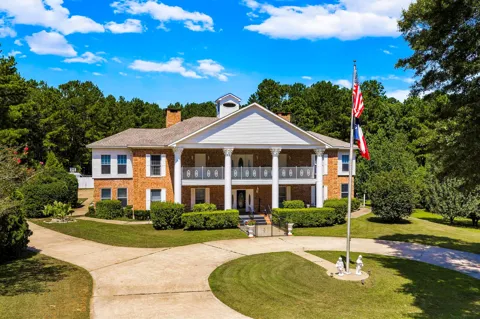
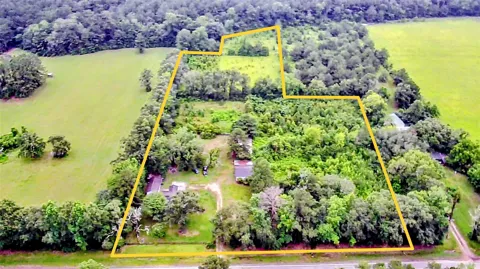
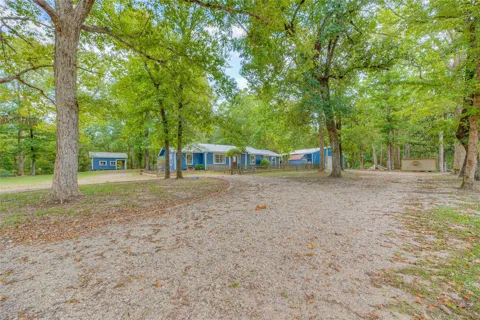
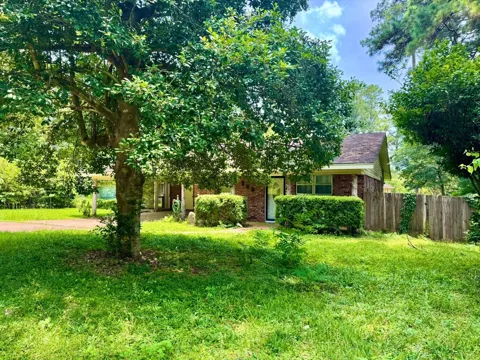
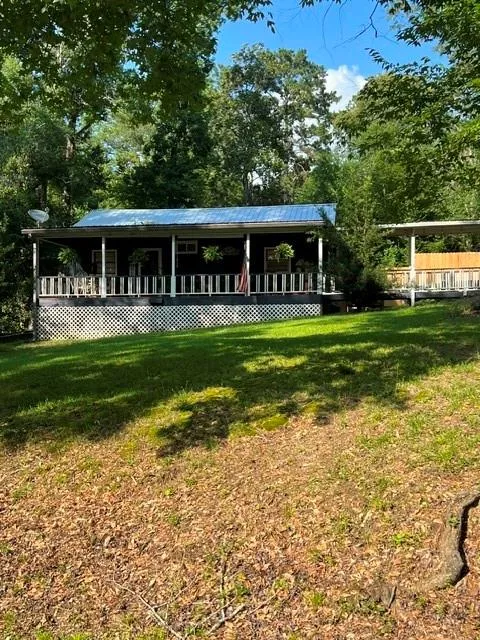
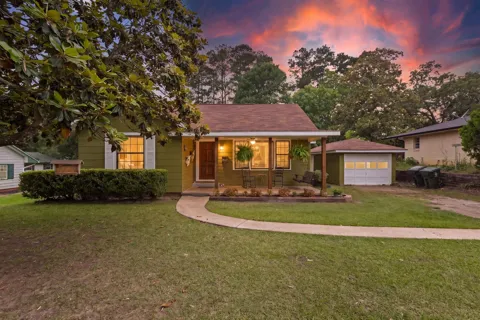
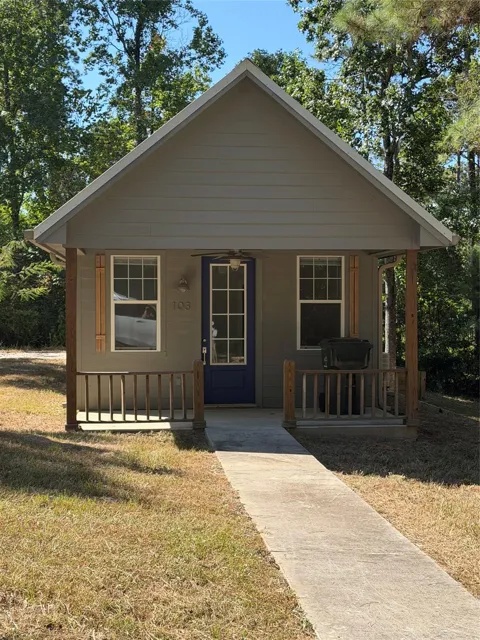
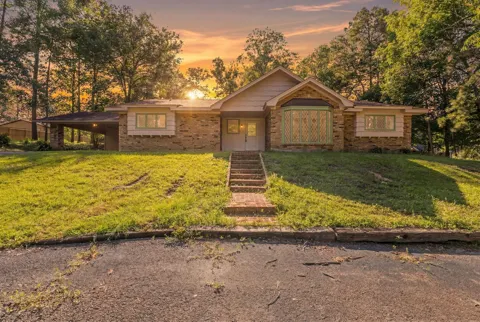
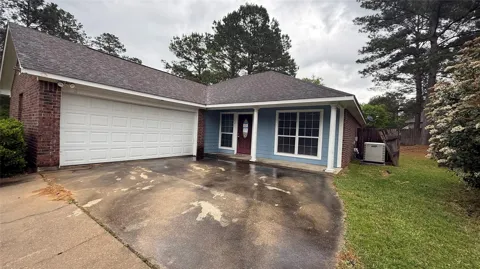
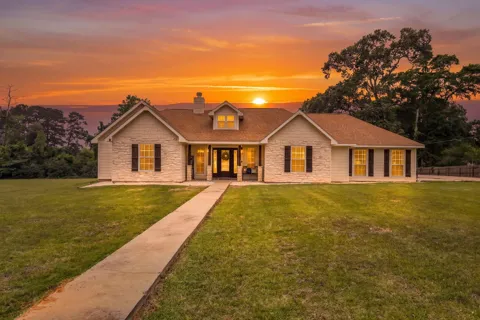
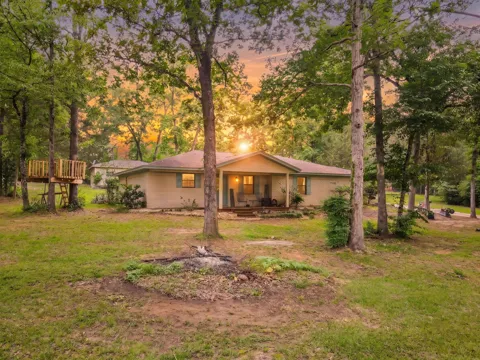
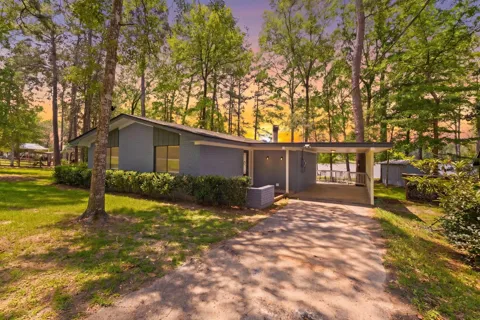
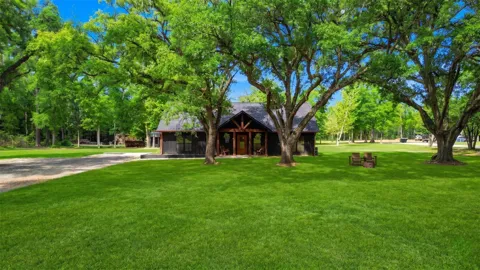
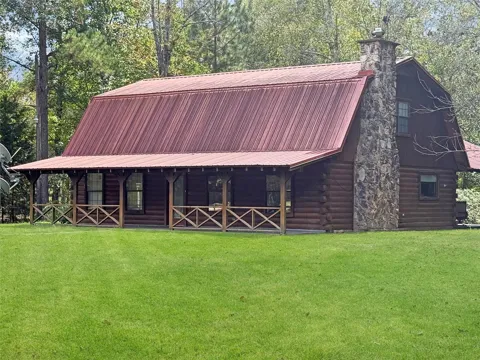
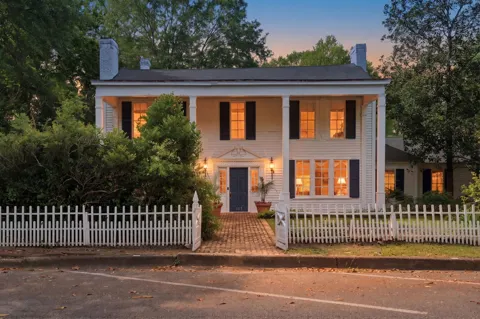
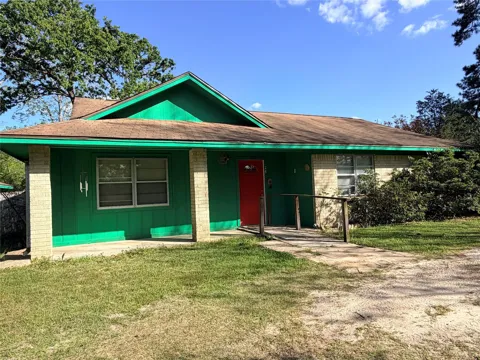
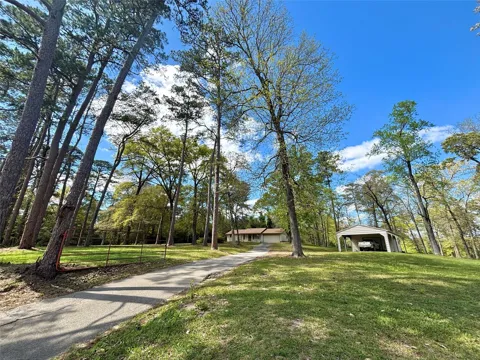
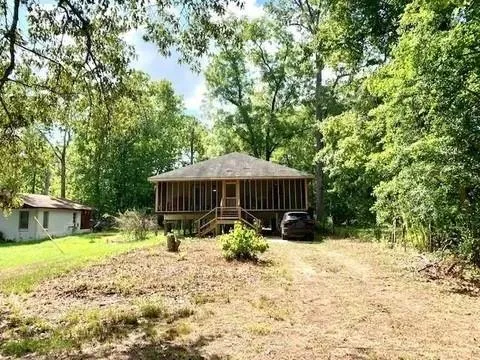
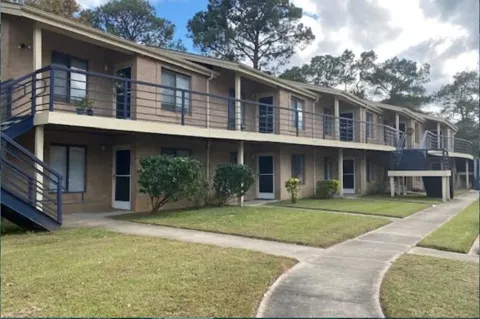
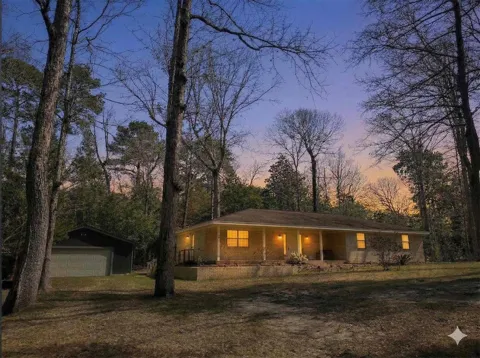
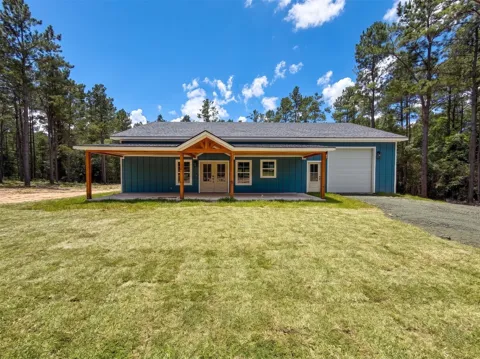
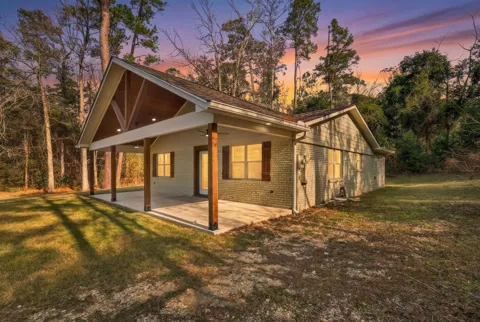
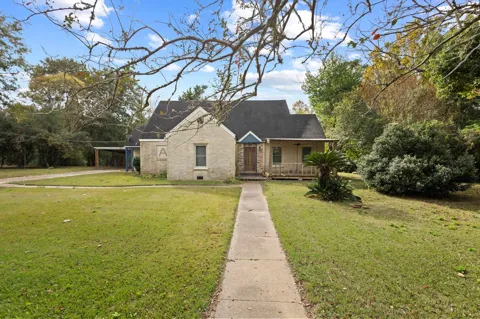
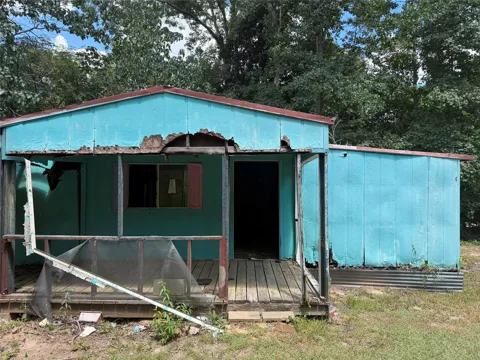
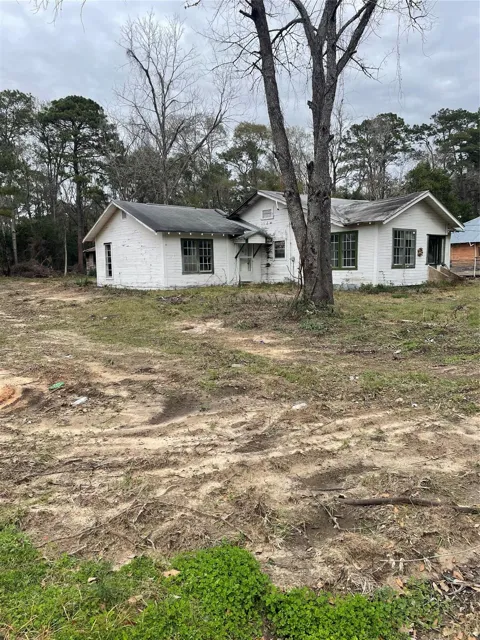
Woodville's housing stock reflects its role as a small county seat. Around the courthouse square and the older streets near downtown, buyers find modest, established single-family homes, many built across the mid-20th century, with the mature trees and deep lots characteristic of East Texas towns. Farther from the center, the pattern shifts to ranch-style homes on larger parcels, along with scattered acreage properties that appeal to people wanting room for gardens, workshops, or livestock. Because the town anchors a rural county, housing tends toward detached single-family residences rather than multi-family buildings, and many properties offer more land than is typical in larger Texas cities. The area's affordability and space continue to attract retirees, county employees, and families tied to timber, ranching, and regional services.
Woodville's neighborhoods are best understood as a compact grid radiating from the county courthouse rather than as distinct named subdivisions. The historic core features tree-lined streets and older homes within walking distance of county offices, the library, and local shops. Around the edges, newer residential areas and country roads transition quickly into wooded acreage and scattered rural homesteads. The blend of in-town convenience and nearby open land means many residents choose between a traditional town lot close to schools and services or a larger parcel just a few minutes outside the center. This mix gives Woodville the layered, unhurried character of a long-established East Texas county seat.
Life in Woodville moves at a deliberately small-town pace, organized around county government, schools, churches, and the outdoors. The spring Dogwood Festival is the community's centerpiece, drawing visitors to celebrate the flowering dogwoods that color the surrounding woodlands. The Heritage Village Museum and the Allan Shivers Library and Museum anchor a modest but meaningful cultural life rooted in regional history. Dining and shopping are concentrated along the highway corridors and around the courthouse, with everyday services close at hand. Residents who value quiet, familiarity, and a connection to East Texas's timber-and-farm heritage find that rhythm here; the town functions as a genuine community hub rather than a stop along the way.
Public education in Woodville is provided by the Woodville Independent School District, a small district of about four campuses serving roughly 1,000 students from the town and surrounding Tyler County. The district is part of the Texas Education Agency's Region 5 service center, which supports schools across Southeast Texas. As a community-anchored district, Woodville ISD keeps its elementary, middle, and high school programs close to home, and its campuses double as gathering places for local events. Families drawn to a smaller district where students and staff know one another by name often cite the scale and familiarity of the school system as part of the town's appeal.
Woodville sits at the junction of U.S. Highway 69 and U.S. Highway 190, two of the principal corridors through Deep East Texas. U.S. 69 links the town northward toward Lufkin and southward toward Beaumont and Port Arthur, while U.S. 190 connects it to Livingston to the west and Jasper to the east. This crossroads position is central to Woodville's identity as a county seat and regional services hub, making it a practical base for people who work in the county or commute across the region. Travel beyond East Texas generally routes through these highways to larger interstates, so daily life is car-dependent, in keeping with the rural character of Tyler County.
Recreation in Woodville revolves around water and woods. Lake Tejas, a short drive east of town, provides a local swimming, fishing, and picnicking spot popular with families. Larger destinations sit within reach: Sam Rayburn Reservoir, one of Texas's largest lakes, and Martin Dies Jr. State Park, with its bayous and bottomland forests, both lie within a short drive for boating, camping, and paddling. The surrounding Tyler County countryside offers hunting, hiking, and seasonal dogwood viewing, while the annual Dogwood Festival celebrates the spring bloom. For residents, these assets turn Woodville into a base for the outdoor life that defines Deep East Texas.
MARKET SNAPSHOT
How homes have been selling here over the last 90 days.
Market data reflects closed sales over the last 90 days and is provided for informational purposes.
BROWSE BY ZIP
Browse listings by postal code in this area.