Rose Capital of America
The Smith County seat in the East Texas Piney Woods, known nationwide as the Rose Capital of America, with a growing healthcare and university economy.
Tyler is the county seat of Smith County, Texas, and the largest city in Northeast Texas, set among the tall pines and rolling hills of the Piney Woods. With a 2020 population of 105,995, it anchors a metropolitan area that serves as the commercial, medical, and educational center for a wide swath of East Texas. The city was founded in 1846 and named for John Tyler, the tenth President of the United States. It grew first as an agricultural and government center, and its fertile surroundings eventually made it a powerhouse of the rose-growing industry — by some measures, a large share of the nation's commercial rose bushes have historically been produced within a short radius of the city. That legacy earned Tyler the title "Rose Capital of America" and produced its signature attractions: the nation's largest municipal rose garden, with tens of thousands of bushes, and the Texas Rose Festival, held each October since 1933. Tyler's modern economy is built on healthcare and education. The city is home to three major hospital systems — UT Health East Texas, CHRISTUS Mother Frances, and Baylor Scott & White — making it the medical hub of the region, with an economic impact measured in the billions. The University of Texas at Tyler, together with its recently established medical school, has deepened that role, while Tyler Junior College and Texas College round out the higher-education landscape. For residents, Tyler offers a polished small-city lifestyle with a distinctly East Texas character. The Azalea District and rose gardens give the city a garden-city feel, and Tyler State Park's spring-fed lake, Lake Tyler, and the surrounding forests provide year-round recreation. Tyler ISD serves local families, and the cost of living remains below national averages. It is a city that pairs historic charm and natural beauty with the services and institutions of a true regional capital.
Tyler is the county seat of Smith County, Texas, located in the Piney Woods region of East Texas. It is the most populous city in Northeast Texas and the principal city of the Tyler metropolitan area.
Tyler is known as the Rose Capital of America. The city's rose-growing industry has historically produced a large share of the nation's commercial rose bushes, and Tyler is home to the nation's largest municipal rose garden and the Texas Rose Festival, held every October since 1933.
Tyler was founded in 1846 and named for John Tyler, the tenth President of the United States. The city grew as a county seat and agricultural center before becoming the healthcare and educational hub of East Texas.
Tyler has three major hospital systems: UT Health East Texas, CHRISTUS Mother Frances, and Baylor Scott & White, making healthcare one of the region's largest industries. The University of Texas at Tyler also operates the first medical school in East Texas.
Tyler is served by the Tyler Independent School District for kindergarten through twelfth grade. Higher education options include the University of Texas at Tyler, Tyler Junior College, and Texas College.
Tyler offers the Tyler Rose Garden and Rose Museum, the historic Azalea District, Tyler State Park with its spring-fed lake, and nearby Lake Tyler for boating and fishing. The Texas Rose Festival and other community events anchor the annual calendar.
City Guide
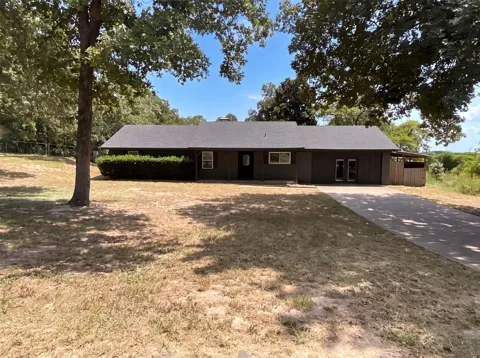
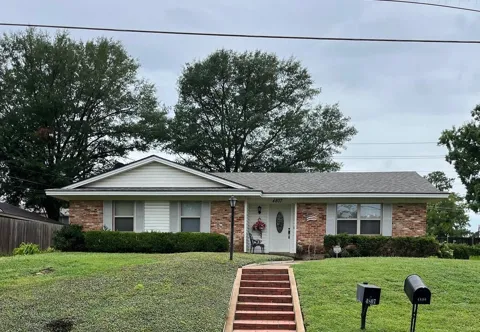
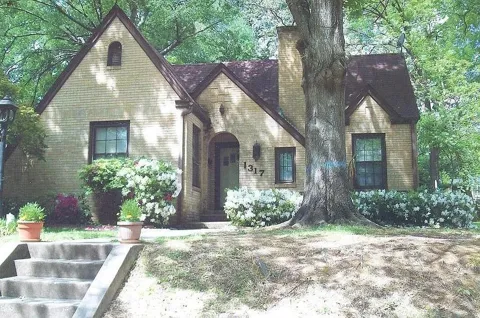
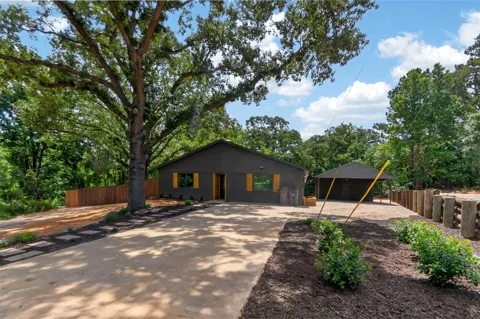
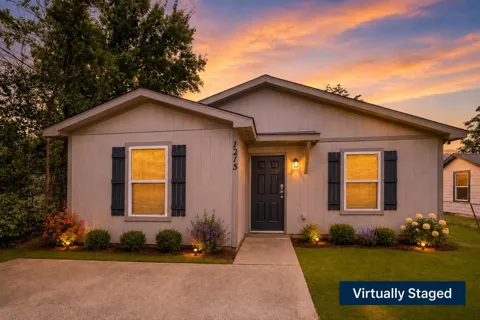
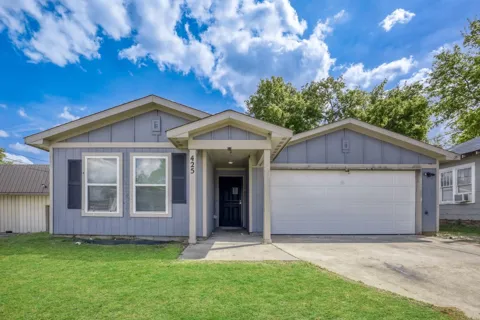
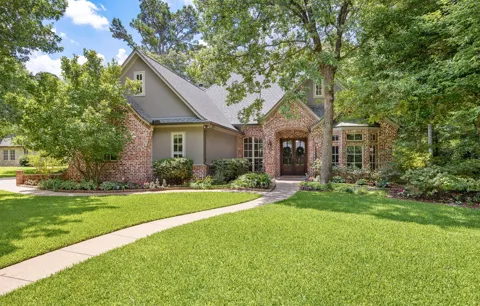
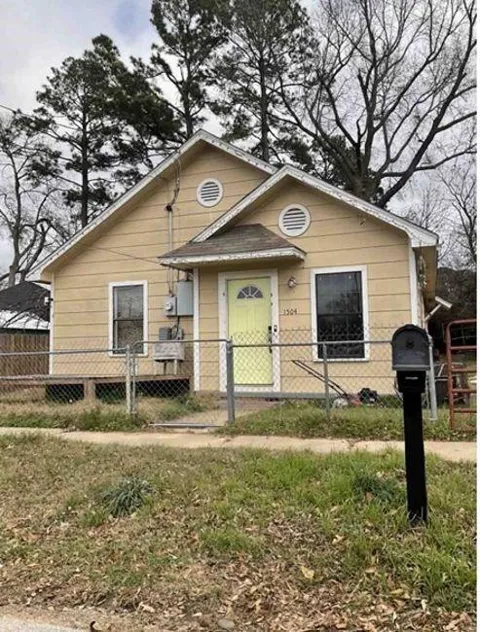
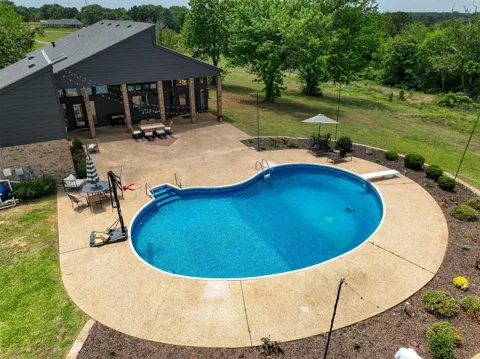
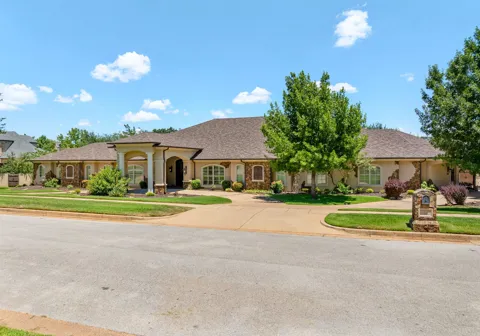
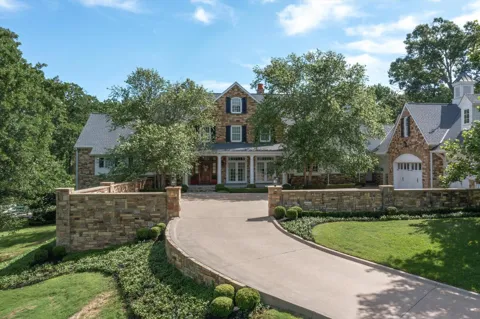
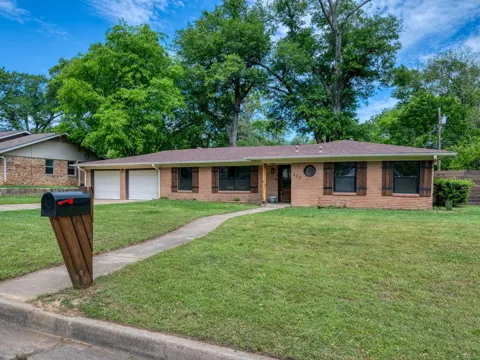
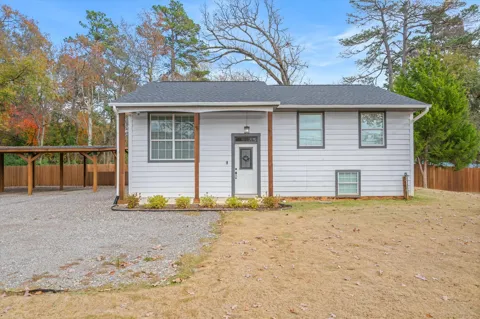
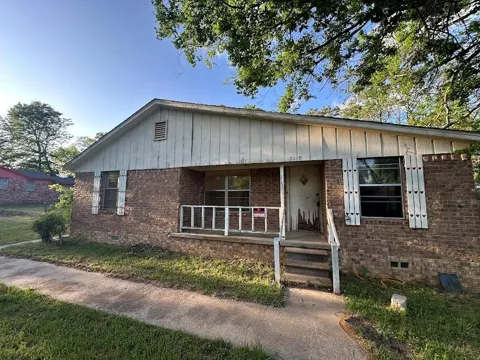
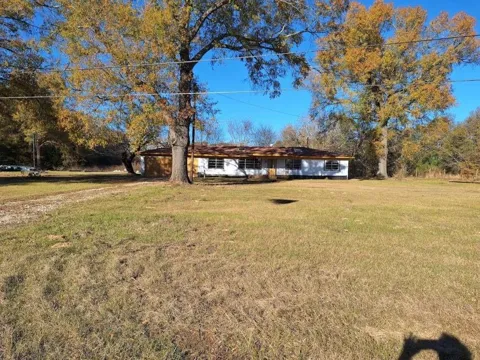
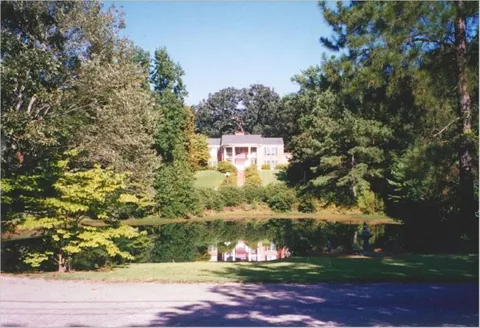
Tyler's housing market is diverse and generally more affordable than Texas's major metros. The city offers historic homes in districts such as the Azalea District and Charnwood, mid-century neighborhoods, and a steady supply of newer subdivisions on the city's edges, with neighborhoods like Cumberland Estates and The Woods popular among families. Larger estate properties and acreage are available in the surrounding Smith County countryside, and lakefront homes near Lake Tyler appeal to buyers seeking recreation access. The market spans apartments and starter homes through spacious custom houses, with the healthcare and university sectors supporting steady demand. Housing costs remain below the national average, a key part of Tyler's appeal to relocating families and professionals.
Tyler's neighborhoods reflect its growth from a county seat into East Texas's largest city. The Azalea District, near downtown, is a historic residential area known for its azaleas, mature trees, and early-twentieth-century homes, and is a centerpiece of the city's identity. Other established neighborhoods ring the downtown core, while family-oriented subdivisions such as Cumberland Estates and The Woods have grown on the south and west sides near schools and amenities. The Charnwood Residential Historic District preserves another pocket of older architecture. Lake Tyler and the surrounding lakes draw lakefront and weekend communities, and rural acreage begins just beyond the city limits. This variety — from historic in-town streets to newer subdivisions and lakeside living — gives Tyler a broad range of residential choices.
Tyler blends East Texas charm with the amenities of a regional city. Its identity is wrapped up in roses: the Tyler Rose Garden, the October Texas Rose Festival, and the city's long rose-growing heritage give Tyler a distinctive civic pride and a lush, garden-oriented aesthetic. The historic Azalea District, with its tree-lined streets and spring azalea blooms, is among the region's most beloved residential settings. Healthcare and the University of Texas at Tyler bring a professional, educated population, while the surrounding Piney Woods provide lakes, parks, and a slower pace. Residents enjoy a friendly, family-oriented community with strong schools, a growing dining and cultural scene, and a cost of living below the Texas metros — a genuine East Texas quality of life.
Tyler is served by the Tyler Independent School District for kindergarten through twelfth grade, with a network of elementary, middle, and high schools across the city. Higher education is a major local strength: the University of Texas at Tyler offers undergraduate and graduate programs and operates East Texas's first medical school, while Tyler Junior College, one of the largest community colleges in the state, provides two-year degrees and workforce training. Texas College, a historically Black liberal arts college, adds to the city's educational diversity. Private and faith-based schools offer additional K-12 options, and the concentration of institutions makes Tyler an education hub for the entire region.
Tyler is positioned at the crossroads of several East Texas highways. U.S. Highway 69 and U.S. Highway 271 intersect in the city, while Interstate 20 passes a short distance to the north, connecting Tyler to Dallas-Fort Worth and Shreveport, Louisiana, and State Highway 31 provides a route toward the Dallas area. Tyler Pounds Regional Airport offers commercial air service, and larger hubs at Dallas/Fort Worth International Airport are about two hours away by car. The city functions as the transportation and logistics center of Northeast Texas, with freight rail and trucking serving its healthcare, retail, and manufacturing sectors. Commutes within Tyler are generally manageable, and the city's loop road system eases movement around the growing metro.
Tyler's recreation is anchored by its parks and lakes. Tyler State Park, on the city's northern edge, offers a 64-acre spring-fed lake, towering pine trees, hiking and biking trails, and camping. Lake Tyler and Lake Tyler East provide additional boating, fishing, and lakeside living. The Tyler Rose Garden and its museum are both a botanical showpiece and a public gathering place, and the Azalea District's spring blooms draw visitors on scenic drives and walks. The Texas Rose Festival in October is the city's signature event, complemented by a growing calendar of downtown festivals, arts events, and live music. Golf courses, neighborhood parks, and the surrounding Piney Woods round out an outdoors-oriented, family-friendly recreation profile.
MARKET SNAPSHOT
How homes have been selling here over the last 90 days.
Market data reflects closed sales over the last 90 days and is provided for informational purposes.
BROWSE BY ZIP
Browse listings by postal code in this area.