Alamo City
Welcome to San Antonio, the Bexar County seat and the seventh-largest city in the United States, built around its river, its Spanish colonial missions, and a celebrated culinary scene.
San Antonio is the county seat of Bexar County and the most populous city in South Texas, with roughly 1.5 million residents — the seventh-largest city in the United States and the anchor of a metropolitan area of about 2.7 million people. The city's identity is inseparable from its history: founded around Spanish colonial missions, San Antonio grew from a frontier settlement into a major Texas center whose downtown is organized around the San Antonio River and the River Walk, a network of pedestrian paths and dining terraces that ranks among the most visited attractions in Texas. The economy rests on several broad pillars. The South Texas Medical Center, in the northwest part of the city, is a major hospital, research, and employment district, while the city's military installations contribute a substantial defense-sector presence. Tourism, anchored by the Alamo and the River Walk, and a growing healthcare and technology sector round out the employment base. San Antonio's neighborhoods span a wide historical and architectural range. Just north of downtown, Monte Vista is among the largest historic districts in the country, developed beginning in the late 19th century and filled with grand early-20th-century homes. South of the center, King William preserves Victorian and Mediterranean Revival residences along tree-lined streets. Alamo Heights and Terrell Hills function as established enclave communities, while Stone Oak and other northern areas offer newer, family-oriented construction. Culturally, San Antonio is one of only two U.S. cities designated a UNESCO Creative City of Gastronomy, and its food scene ranges from classic Tex-Mex along the River Walk to the restaurants and markets of the Pearl and Southtown districts. Fiesta San Antonio, the city's signature spring celebration, draws visitors each year, and the San Antonio Spurs anchor the city's professional sports identity. Public education is served by more than a dozen school districts, and VIA Metropolitan Transit plus a network of loops and interstates move residents around the region.
San Antonio is the county seat of Bexar County, Texas. With roughly 1.5 million residents, it is the seventh-largest city in the United States and the anchor of a metro area of about 2.7 million people.
The San Antonio area is served by more than a dozen independent school districts. San Antonio ISD covers much of the urban core, while Northside ISD, the region's largest and the fourth-largest in Texas, serves the northwest side. North East ISD and Alamo Heights ISD serve other established areas, and the district for a particular home depends on its street address.
Monte Vista, King William, the Pearl, Southtown, and Stone Oak are among the most referenced. Monte Vista and King William are known for historic homes, the Pearl and Southtown for dining and culture, and Stone Oak for newer family-oriented construction. Enclave communities such as Alamo Heights and Terrell Hills are also popular.
The River Walk is a network of pedestrian paths, restaurants, hotels, and event spaces along the San Antonio River through downtown, and it ranks among the most visited attractions in Texas. It connects to the Alamo, the Pearl, and the city's convention and entertainment venues.
San Antonio is known for the Alamo and its Spanish colonial missions, the River Walk, and Fiesta San Antonio. It is one of only two U.S. cities designated a UNESCO Creative City of Gastronomy, and it is home to the five-time NBA champion San Antonio Spurs and the South Texas Medical Center.
City Guide
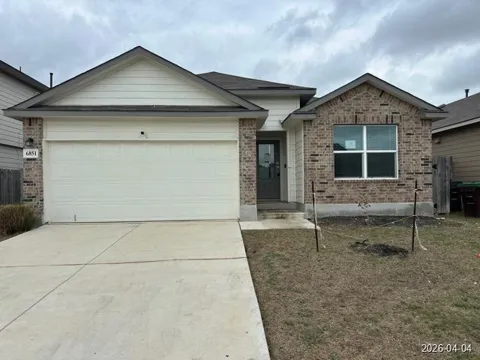
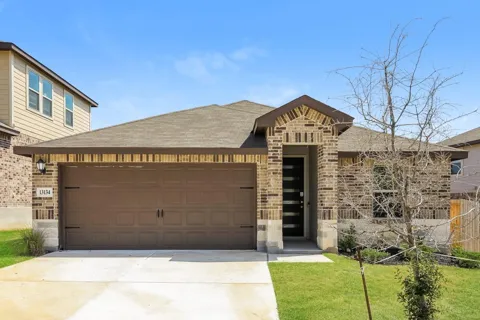
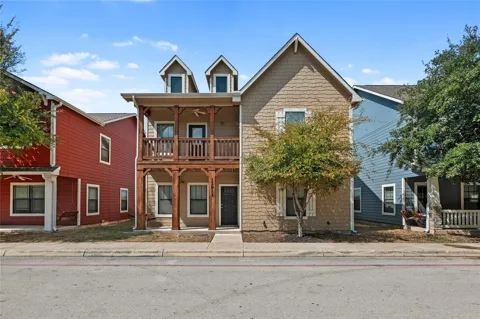
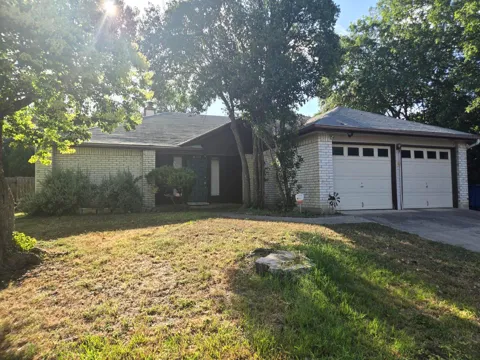
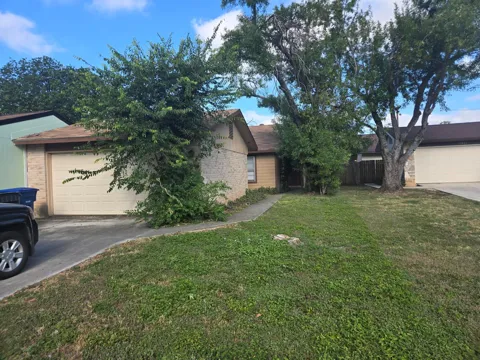
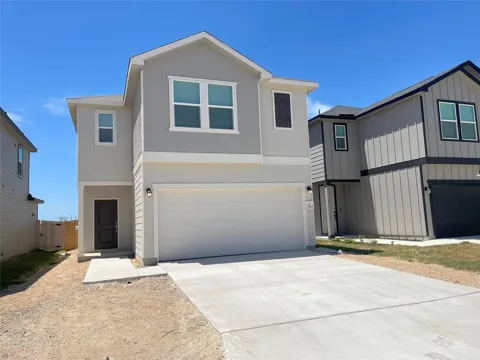
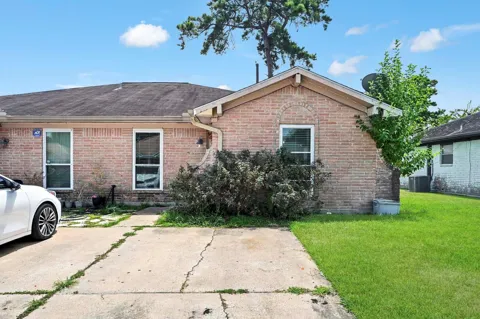
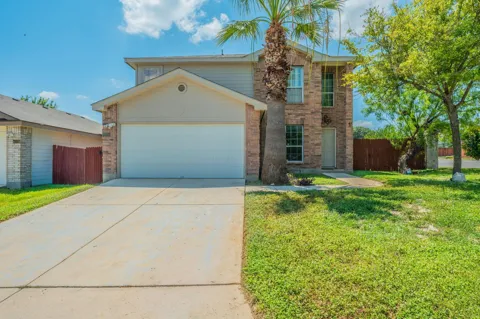
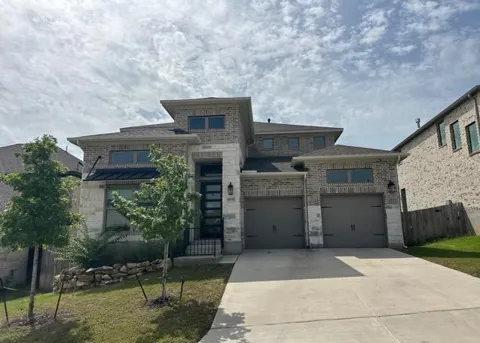
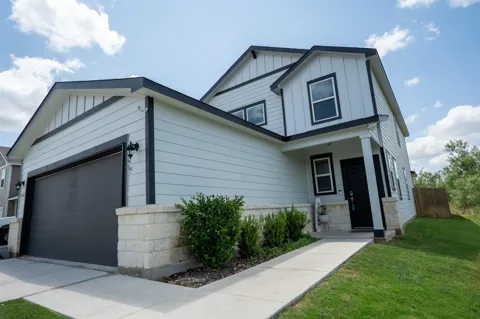
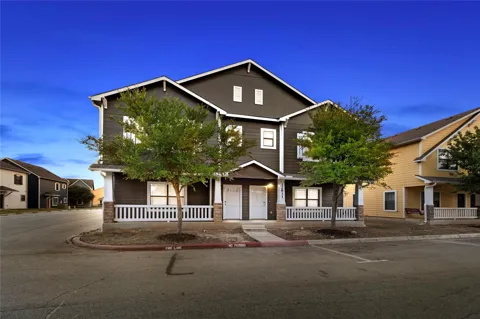
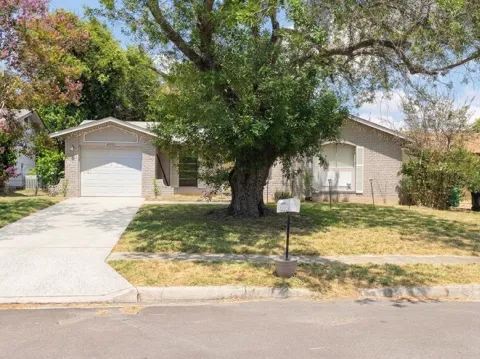
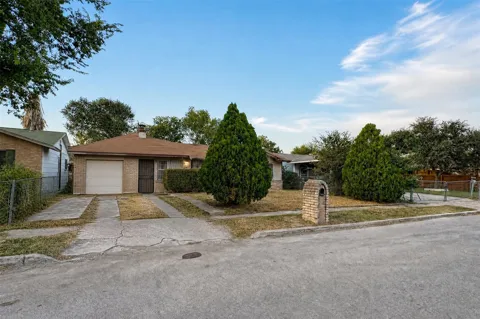
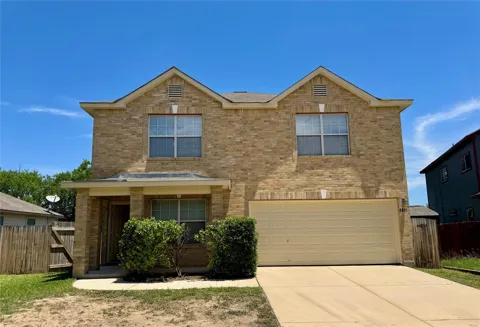
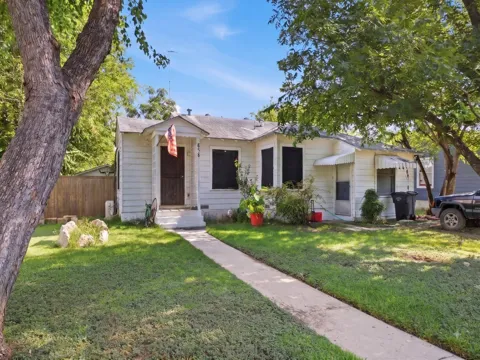
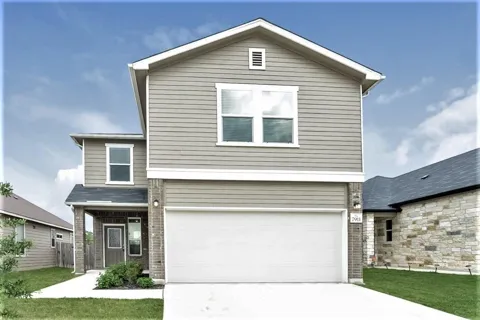
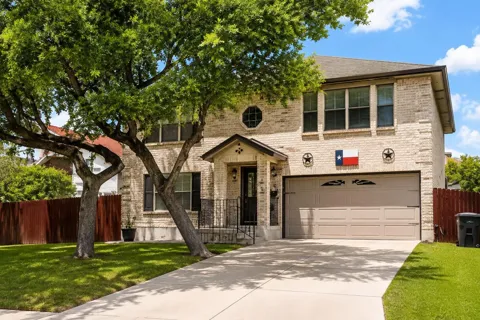
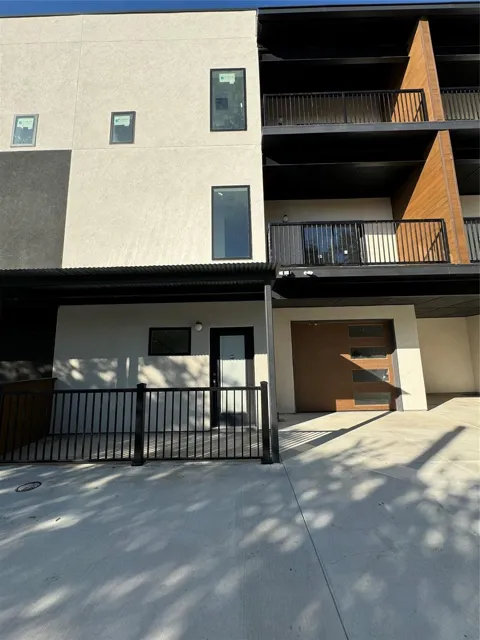
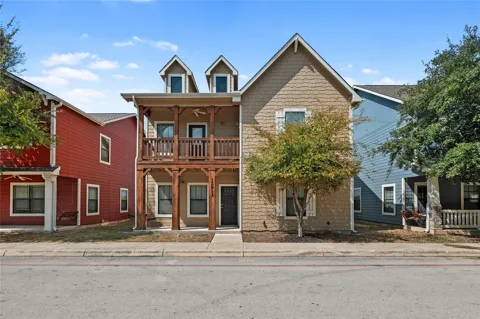
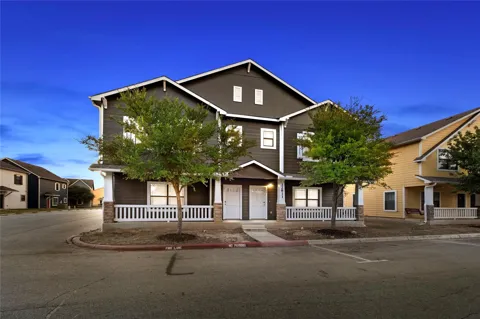
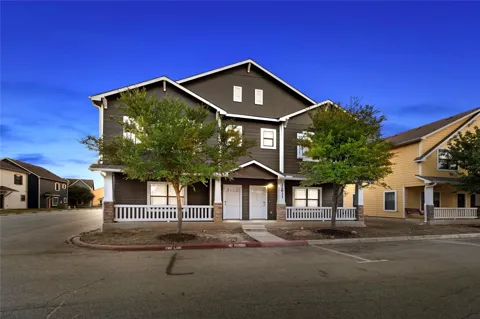
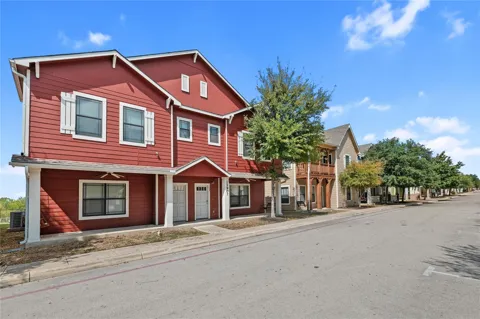
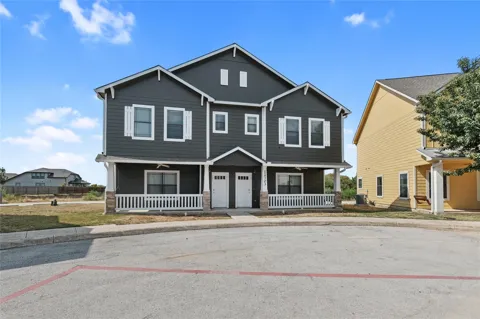
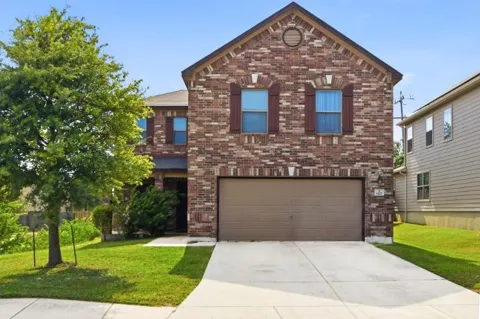
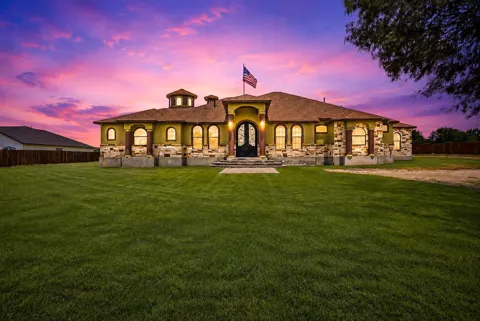
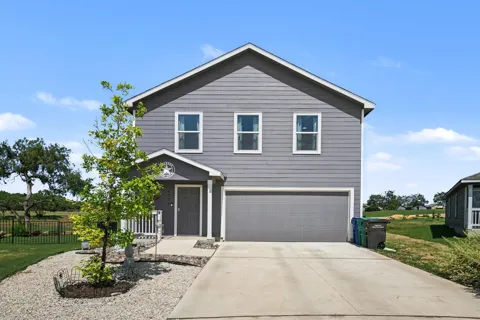
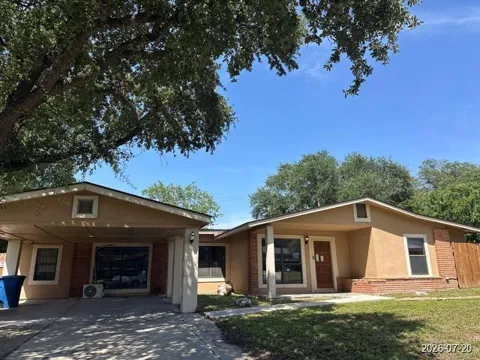
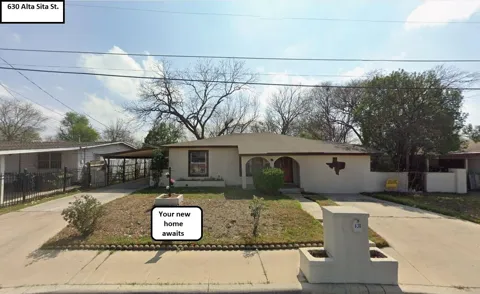
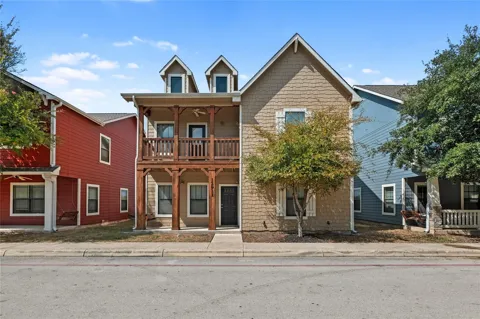
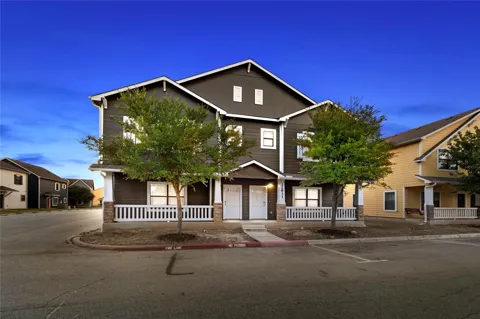
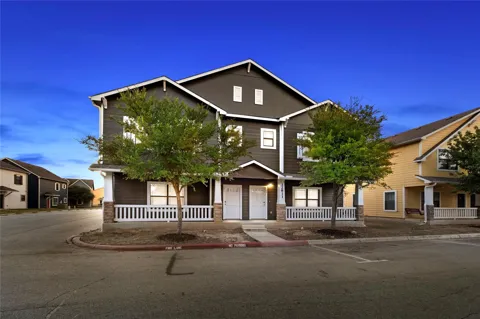
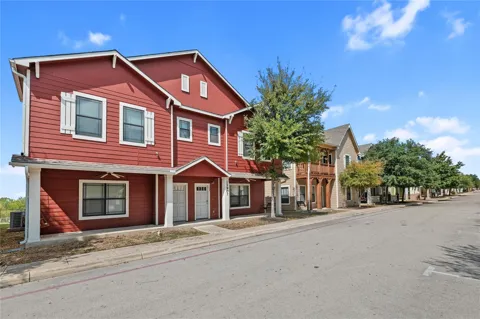
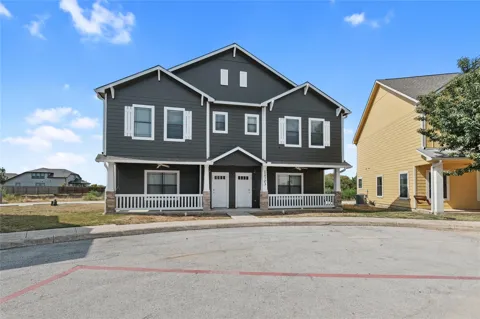
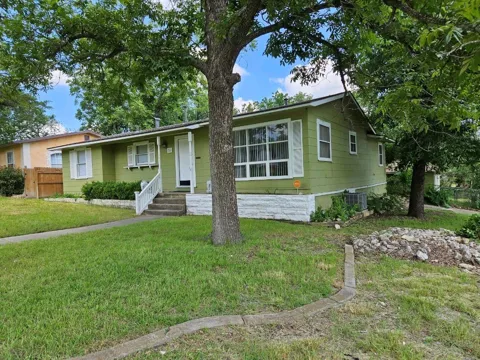
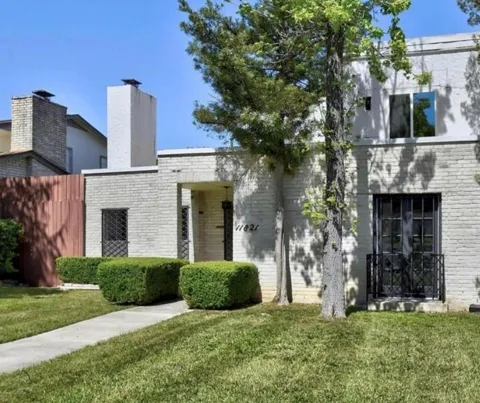
San Antonio's housing stock ranges from 19th-century historic homes to contemporary suburban construction. The King William district preserves Victorian and Mediterranean Revival residences, while Monte Vista, one of the nation's largest historic districts, features grand homes from the Gilded Age onward in styles including Craftsman, Greek Revival, Tudor, and Spanish-influenced designs. Alamo Heights and Terrell Hills offer established, architecturally varied single-family neighborhoods, and areas such as Stone Oak on the north side provide newer construction with open floor plans. Between the historic core and the northern suburbs, mid-century ranch and contemporary homes fill a broad middle band, giving buyers options across nearly every era and style.
San Antonio's neighborhoods span the city's full history. Monte Vista, just north of downtown, is among the largest historic districts in the country and dates to the late 19th century. King William, south of the center, is known for its Victorian and Mediterranean Revival homes. The Pearl and Southtown form the city's cultural and culinary hub, blending breweries, restaurants, and galleries. Downtown centers on the River Walk and the Alamo. To the north, Stone Oak and the Medical Center District offer newer housing and proximity to the South Texas Medical Center, while enclave communities such as Alamo Heights and Terrell Hills provide established, tree-lined residential streets.
San Antonio's lifestyle is anchored by its river and its food. The River Walk winds through downtown with restaurants, hotels, and event spaces, and is among the most visited attractions in Texas. San Antonio is one of only two U.S. cities named a UNESCO Creative City of Gastronomy, and its dining spans classic Tex-Mex, barbecue, and a broad international mix concentrated at the Pearl, Southtown, and along the river. Fiesta San Antonio, the city's signature spring festival, fills downtown each year, joined by events such as Luminaria and the Texas Folklife Festival. The San Antonio Spurs anchor the professional sports scene, with downtown venues hosting games and major events.
Public education in the San Antonio area is served by more than a dozen independent school districts, reflecting the city's large geography. San Antonio ISD covers much of the urban core, while Northside ISD — the largest district in the region and the fourth-largest in Texas — serves the growing northwest side with more than 130 campuses. North East ISD and Alamo Heights ISD serve other established areas, and numerous charter and private schools add options across the metro. For relocating families, school assignment depends on the specific address, since district boundaries cut across city and neighborhood lines.
San Antonio is organized around a highway system built on Interstates 10 and 35 and the Loop 410 and Loop 1604 beltways. VIA Metropolitan Transit provides the region's bus service, linking downtown, the Medical Center, and neighborhoods across the city, with rapid-transit improvements planned along key corridors. San Antonio International Airport sits just minutes north of downtown with dozens of nonstop destinations, and other major Texas cities are within driving range via the interstate network. The central city and the River Walk corridor are the most walkable parts of the region, while most residents rely on cars for daily travel.
San Antonio's outdoor and cultural calendar is anchored by the River Walk, whose shaded paths, boat tours, and riverside terraces run through the heart of downtown. The San Antonio Missions, a chain of Spanish colonial missions that includes the Alamo, draw visitors along the Mission Trail, and parks such as Brackenridge Park and the Japanese Tea Garden provide green space near the center. The city's parks system maintains neighborhood parks, trails, and sports facilities across its large footprint, and annual events such as Fiesta San Antonio bring residents and visitors downtown each spring.
MARKET SNAPSHOT
How homes have been selling here over the last 90 days.
Market data reflects closed sales over the last 90 days and is provided for informational purposes.
BROWSE BY ZIP
Browse listings by postal code in this area.