Deep East Texas Piney Woods Hub
Welcome to Lufkin, the Angelina County seat in Deep East Texas, a Piney Woods timber hub with a national forest and Sam Rayburn Reservoir nearby.
Lufkin is a city in Angelina County, Texas, and the county seat, situated in the Piney Woods region of Deep East Texas. With a 2020 census population of about 34,000, it is the largest city in the surrounding area and functions as a regional hub, drawing shoppers, workers, and patients from a broad multi-county region — a role reflected in a daytime population estimated at more than 100,000. The city sits along U.S. Highways 59 and 69 and is ringed by Loop 287, positioning it as the commercial and service center of East Texas' forest country. Lufkin's growth came in two waves. The first followed the arrival of the railroad between 1882 and 1890, which connected the young settlement to wider markets. The second, and more defining, was the East Texas timber boom of 1890 to 1920, when hundreds of sawmills rose across the Piney Woods and lumber became one of the state's largest industries. That legacy endures in the city's identity: Lufkin remains associated with the region's timber economy, and the Texas Forestry Museum preserves the history of an industry that shaped both the landscape and the community. Today, Lufkin's economy is more diversified, spanning manufacturing, healthcare, retail, and services, but its role as the region's center is unchanged. Two hospitals, a substantial retail base, and institutions such as Angelina College, a public community college, anchor the city's civic life. Lufkin ISD serves the community's public school students, with Lufkin High School and a network of elementary and middle schools. The city's setting is one of its greatest assets. Angelina National Forest, a 153,000-acre expanse of East Texas woodlands, lies just to the east, and Sam Rayburn Reservoir, one of the state's premier fishing and boating lakes, sits within the forest's boundaries. For homebuyers, Lufkin offers small-city conveniences and immediate access to the forests and lakes that define Deep East Texas.
Lufkin is in Angelina County, Texas, and serves as the county seat. The city is located in Deep East Texas, in the Piney Woods region, along U.S. Highways 59 and 69, about two hours north of Houston.
Lufkin is known as the commercial and cultural hub of Deep East Texas's Piney Woods, with a history rooted in the region's timber industry. The Texas Forestry Museum preserves that heritage, and the city serves as a gateway to Angelina National Forest and Sam Rayburn Reservoir.
Lufkin is served by Lufkin ISD, which operates the city's elementary, middle, and high schools, including Lufkin High School. Angelina College, a public community college with its main campus in Lufkin, provides higher education and workforce training for the region.
The 2020 census recorded Lufkin's population at about 34,000 residents. The city is the largest in its region and serves a wide multi-county area, with a daytime population estimated at more than 100,000.
Angelina National Forest, a 153,000-acre woodland, lies just east of Lufkin, with Sam Rayburn Reservoir inside its boundaries offering premier fishing and boating. Together they anchor the outdoor recreation that defines life in Deep East Texas.
City Guide
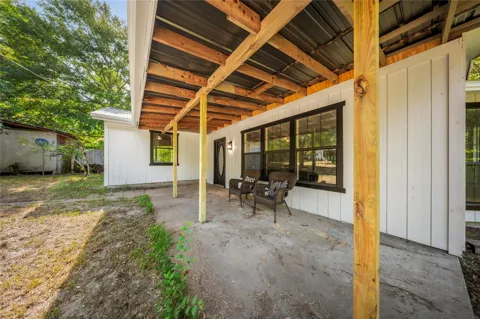
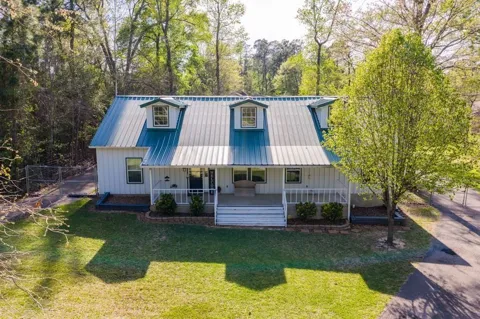
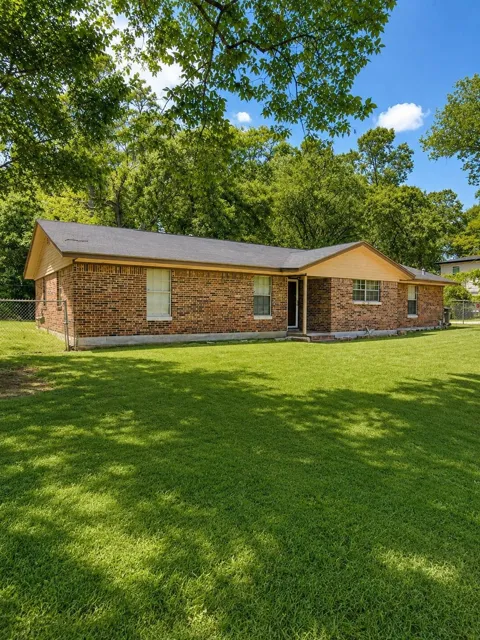
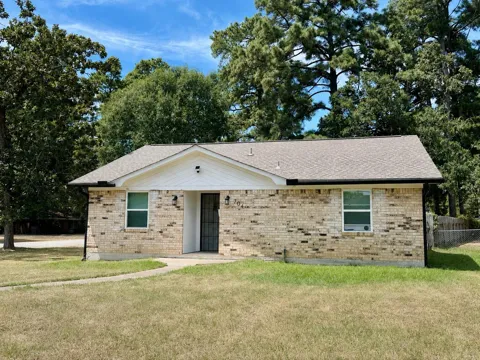
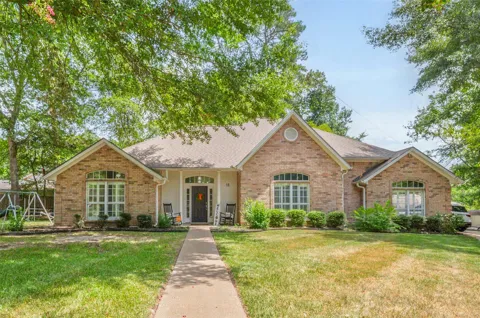
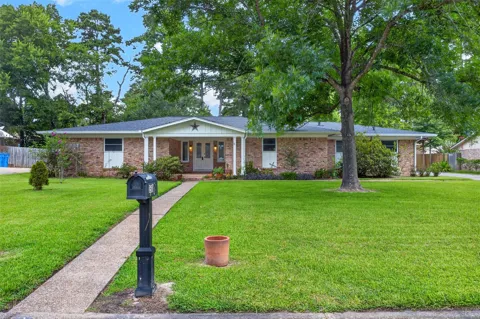
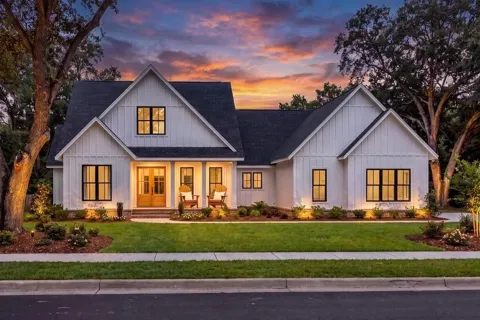
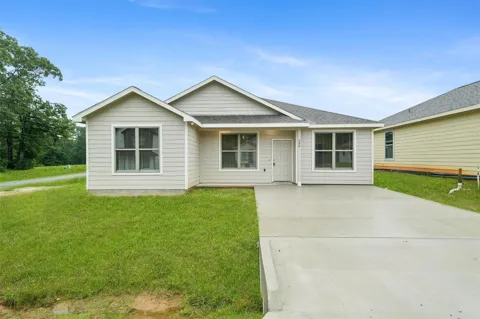
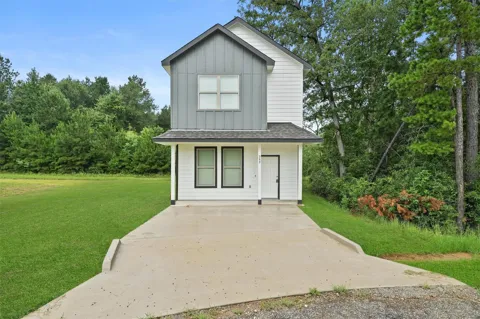
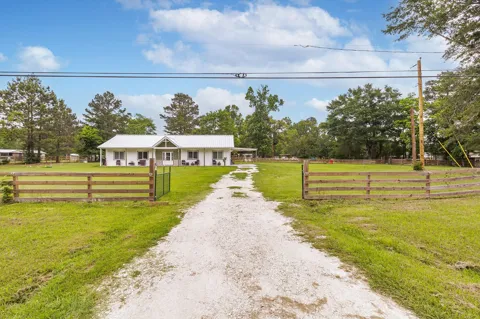
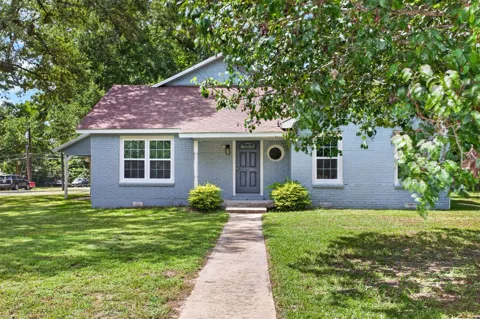
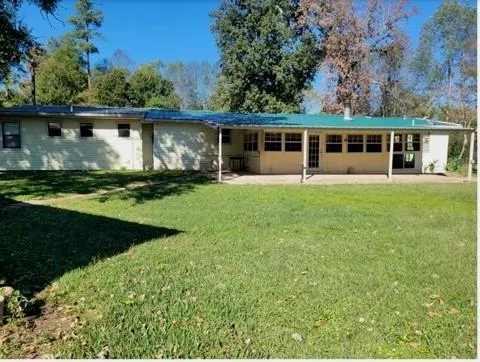
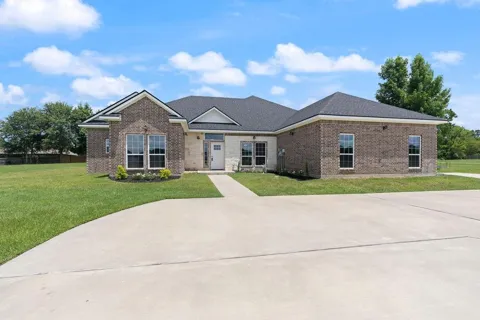
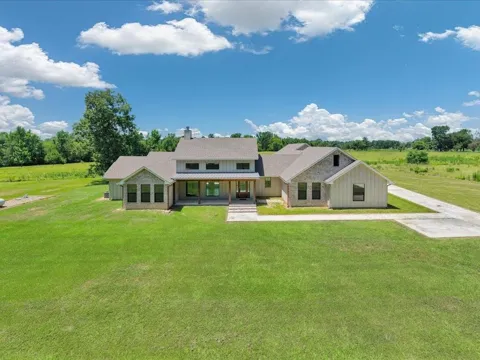
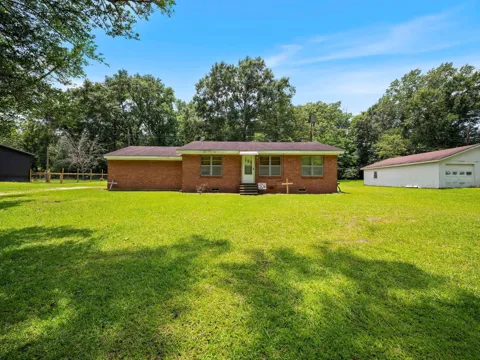
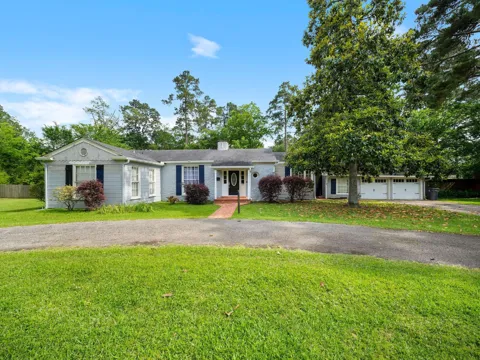
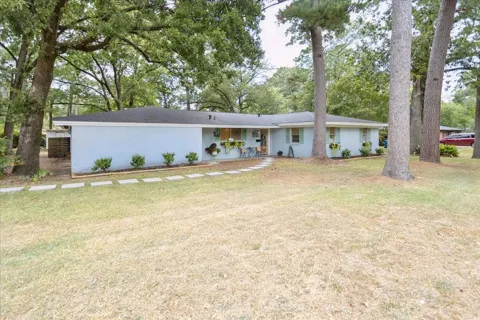
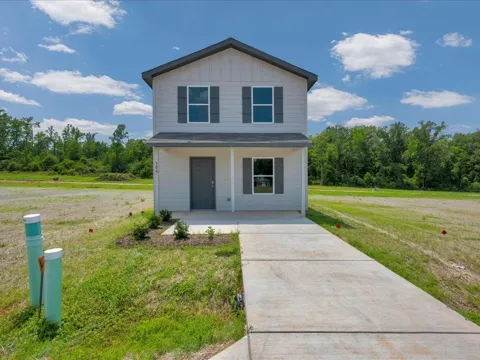
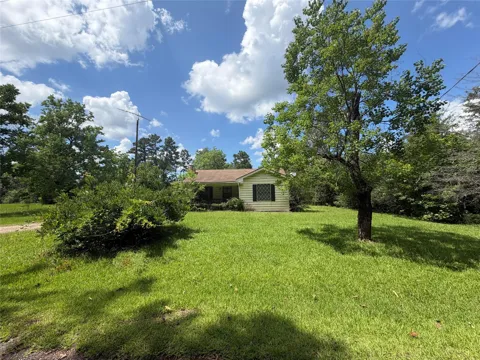
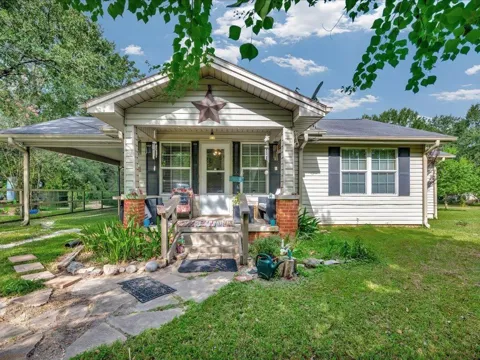
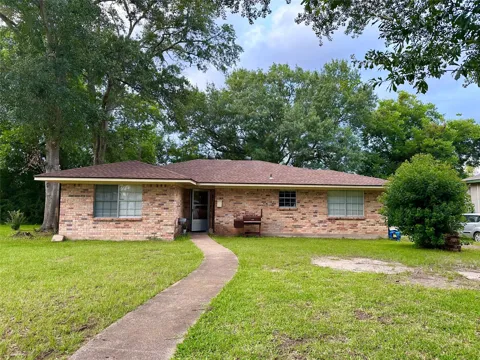
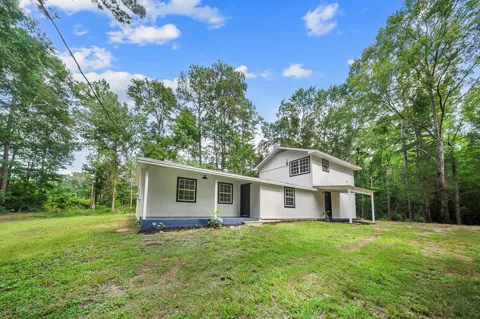
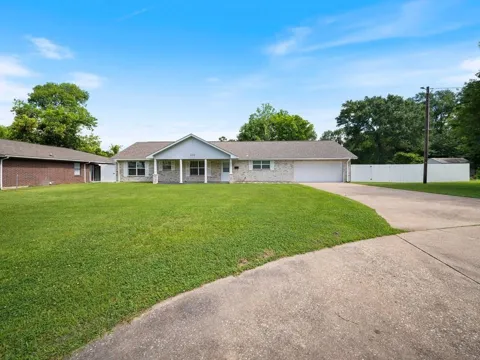
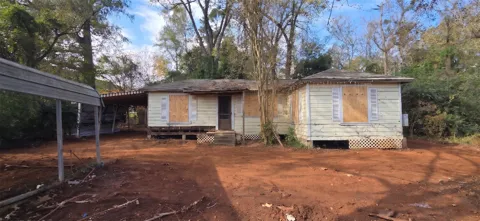
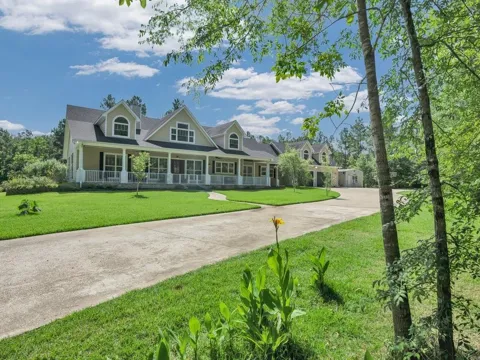
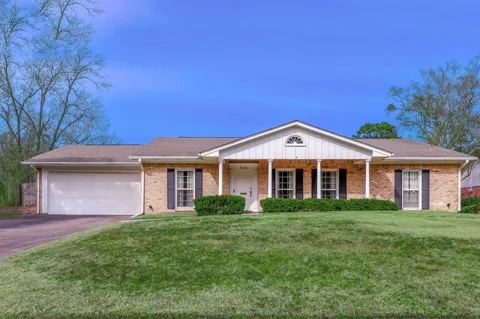
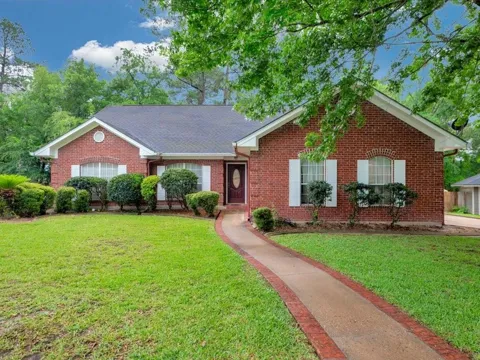
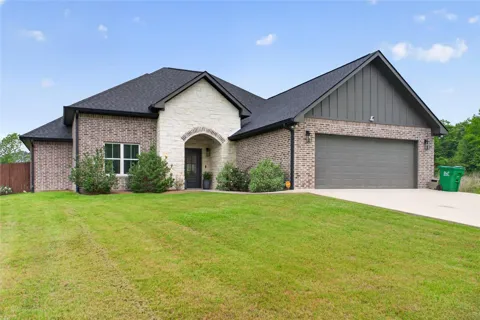
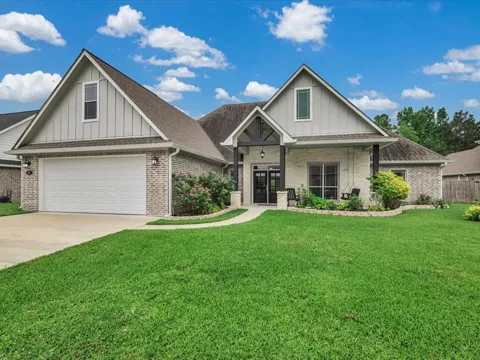
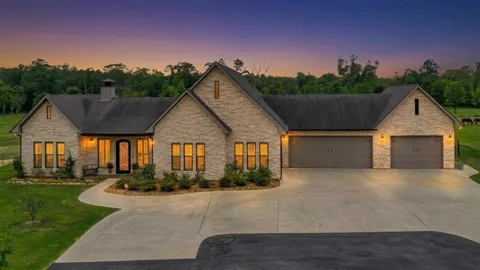
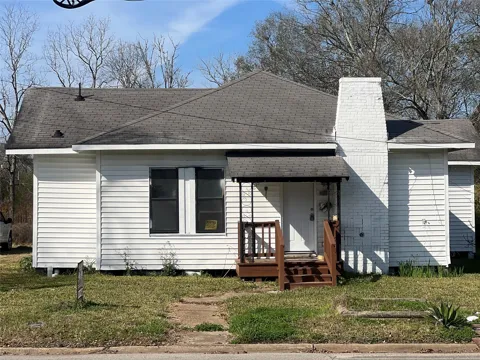
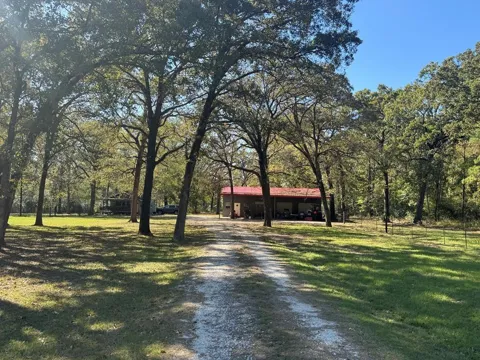
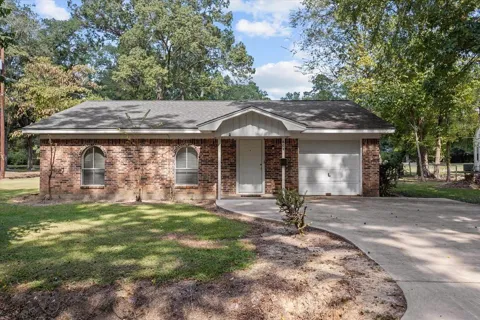
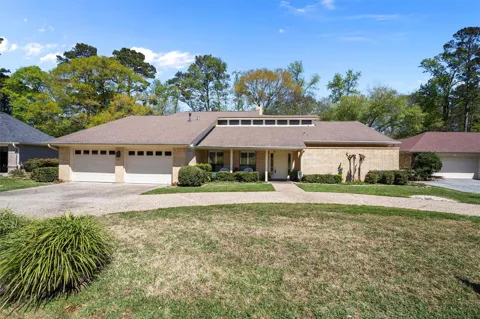
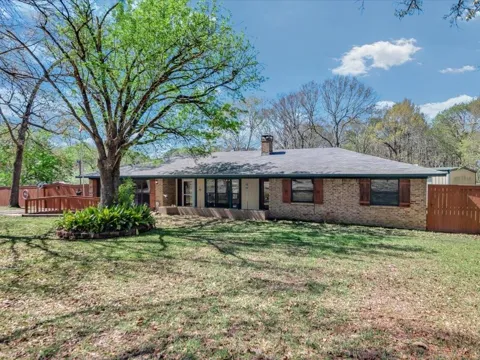
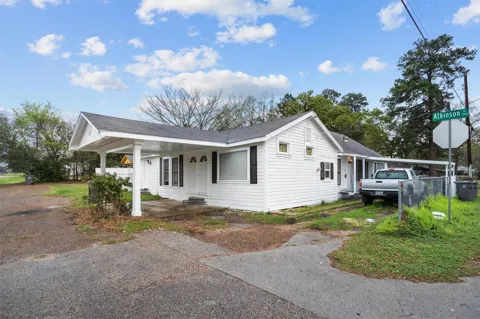
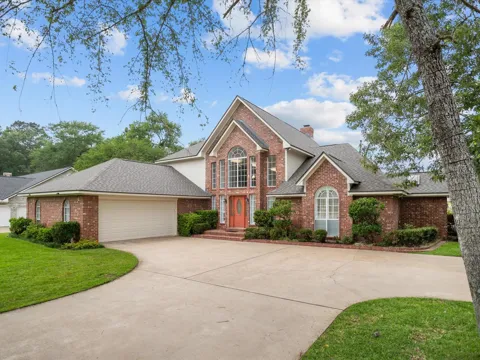
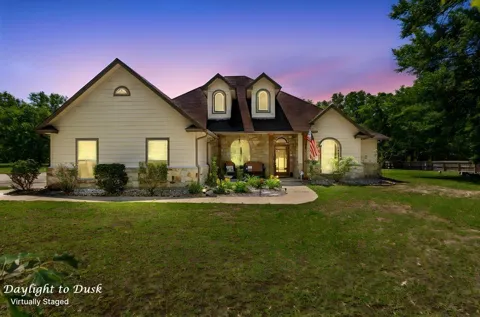
Lufkin's housing stock reflects its history as a Deep East Texas regional center. The city's older neighborhoods hold early- and mid-twentieth-century homes, including bungalows, traditional frame houses, and post-war ranches, many on tree-shaded lots characteristic of the Piney Woods. Later growth added larger two-story homes and established subdivisions across the city, particularly south and west of downtown. The housing mix spans historic homes near the center, conventional suburban subdivisions, and rural acreage on the city's outskirts, where the forested countryside begins. Lot sizes are generally generous by urban Texas standards, and the overall market is dominated by detached single-family homes suited to families, with a smaller stock of apartments and townhomes near commercial corridors.
Lufkin's neighborhoods spread across a city that blends a historic core with mid-century and newer suburban growth. The areas around downtown hold many of the city's older homes and mature, tree-lined streets, reflecting its railroad-and-timber origins. The south side of the city, near Angelina College and the major retail corridors along U.S. 59 and Loop 287, includes a broad mix of established subdivisions and newer development. The city's western and northern edges transition into more rural, wooded acreage as the Piney Woods resume. The overall pattern is one of a classic East Texas city — a compact downtown surrounded by residential neighborhoods that gradually give way to forest and farmland.
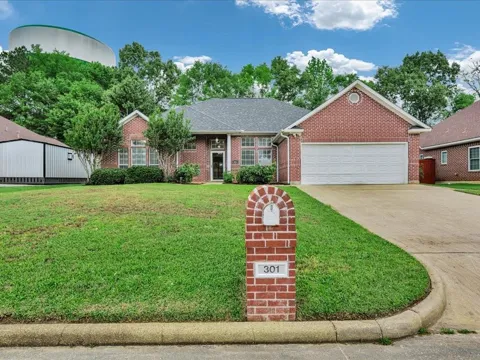
Lufkin offers a relaxed, small-city lifestyle grounded in East Texas culture. The community's rhythm blends the conveniences of a regional hub — shopping, healthcare, and dining along the Loop 287 and U.S. 59 corridors — with the unhurried pace and hospitality of the Piney Woods. Weekend life often turns outward to Angelina National Forest and Sam Rayburn Reservoir for fishing, boating, and camping, or to family destinations such as the Ellen Trout Zoo. The city's festivals, high school athletics, and community events foster a strong local identity. Lufkin suits families, retirees, and professionals seeking a regional center with genuine small-town character and abundant outdoor access.
Lufkin is served by Lufkin ISD, the public school district for the city, which operates a full range of elementary, middle, and high schools, including Lufkin High School. Angelina College, a public community college with its main campus in Lufkin, offers more than sixty areas of study and serves as the region's primary post-secondary institution, providing associate degrees and workforce training. The presence of both a complete K-12 district and a community college makes Lufkin an educational center for Deep East Texas. Families also have access to private school options, and nearby Stephen F. Austin State University in Nacogdoches extends higher-education opportunities within a short drive.
Lufkin sits at the junction of U.S. Highways 59 and 69, with Loop 287 encircling the city, giving it direct highway access across Deep East Texas. U.S. 59 connects north to Nacogdoches and south toward Houston, while U.S. 69 links the city to Tyler and Beaumont. The city's position makes it the primary commercial gateway for the surrounding Piney Woods counties. Lufkin is roughly two hours north of Houston and about an hour and a half from the Louisiana border, with personal vehicles the standard mode of travel. The George H. Henderson Expo Center and the city's regional airport add to its role as a hub for East Texas.
Lufkin's recreation is defined by its East Texas setting. Angelina National Forest, a 153,000-acre expanse just east of the city, offers hiking, camping, and wildlife viewing, while Sam Rayburn Reservoir within the forest is one of Texas' premier fishing and boating lakes. In town, the Ellen Trout Zoo is a beloved family destination, and the Texas Forestry Museum and Museum of East Texas connect residents to the region's heritage. The city's parks, sports facilities, and the George H. Henderson Expo Center host recreation programs and events. The surrounding Piney Woods provide a nearly endless backdrop for hunting, fishing, and outdoor life.
MARKET SNAPSHOT
How homes have been selling here over the last 90 days.
Market data reflects closed sales over the last 90 days and is provided for informational purposes.
BROWSE BY ZIP
Browse listings by postal code in this area.