Historic Gulf Coast Seaport
Welcome to Galveston, a barrier-island city on the Texas Gulf Coast where Victorian architecture, a working seaport and miles of beachfront share the same shoreline.
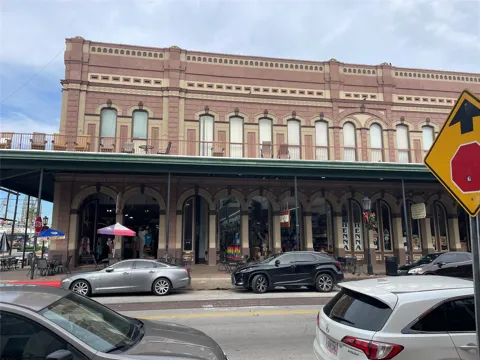
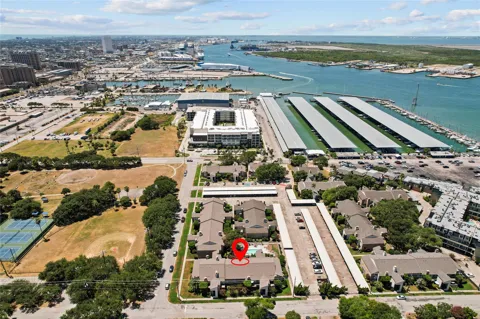
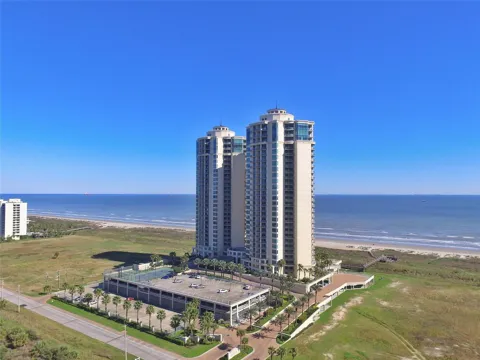
Galveston sits on Galveston Island, a barrier island fronting the Gulf of Mexico and Galveston Bay roughly 50 miles southeast of downtown Houston. As the seat of Galveston County, it combines a working seaport, a major cruise gateway, a historic urban core and long stretches of beachfront within a single compact island city. Founded in 1839, Galveston was by the late nineteenth century one of the wealthiest cities in the American South — the Strand's iron-front commercial buildings earned the nickname "Wall Street of the South" — before the Great Storm of 1900, still the deadliest natural disaster in United States history, flooded the island and prompted construction of the protective Seawall. That layered history shapes the city today. Its economy is anchored by the University of Texas Medical Branch (UTMB), a sprawling health system and the area's largest employer, alongside Texas A&M University at Galveston, maritime industries, tourism and hospitality. The Port of Galveston operates one of the nation's busiest cruise terminals, drawing passengers from across Texas and neighboring states to sailings along Harborside Drive. Tourism, health care and education give the island a steadier employment base than a typical beach town. Galveston's residential character is defined by its historic districts and beachside neighborhoods rather than large master-planned suburbs. Victorian-era cottages, Queen Anne houses and Greek Revival homes cluster in the East End and Silk Stocking districts, while condominiums and mid-rise buildings line the Seawall and gulf-facing shore. A year-round population of roughly 53,000 swells with seasonal visitors and part-time residents. Families, health-care professionals, students and retirees all make up the mix, drawn by the island's combination of coastal living, historic charm and a compact, walkable core. For homebuyers, Galveston offers a distinctive trade-off: a genuinely coastal, island setting with salt air and hurricane-season weather, historic homes that require preservation-minded upkeep, and easy access to Houston via Interstate 45 across the causeway. The island's identity — equal parts port city, beach town and Victorian museum — gives it a character few Texas cities can match.
Galveston is the county seat of Galveston County, Texas. The county fronts the Gulf of Mexico and Galveston Bay and had a population of roughly 350,000 in the 2020 census, with the island city itself home to about 53,000 residents.
Galveston sits about 50 miles southeast of downtown Houston via Interstate 45 across the Galveston Causeway. Travel times vary with traffic, but the island is generally within an hour of central Houston and about an hour or more from the region's major airports.
Galveston Independent School District (GISD) serves the island and portions of the Bolivar Peninsula, enrolling roughly 6,300 students across about ten campuses, including Ball High School. Families can select among campuses under the district's choice-based enrollment model.
Galveston is known for its Victorian-era historic districts, the Strand's iron-front commercial buildings, the Seawall and Gulf beaches, Moody Gardens, and its role as one of the nation's busiest cruise ports. The city is also home to the University of Texas Medical Branch.
Yes. Galveston is a barrier island in the Gulf of Mexico, separated from the Texas mainland by Galveston Bay and the Gulf Intracoastal Waterway and connected by the Interstate 45 causeway.
Yes — the island's gulf-facing shore offers public beaches including Stewart Beach and East Beach, fronted by the Seawall promenade. Galveston Island State Park preserves additional natural shoreline and bayside habitat on the west end.
City Guide
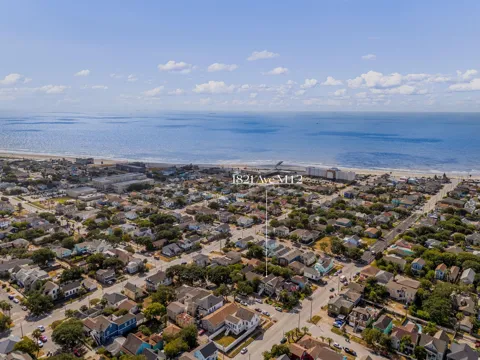
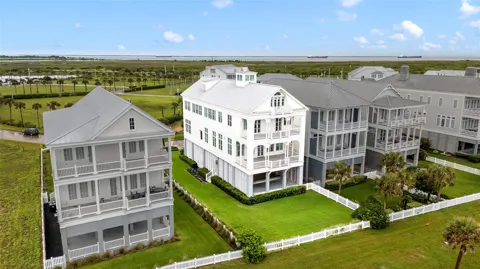
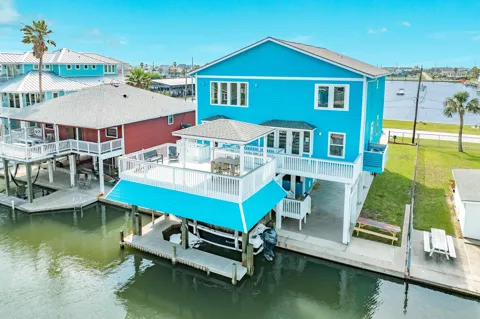
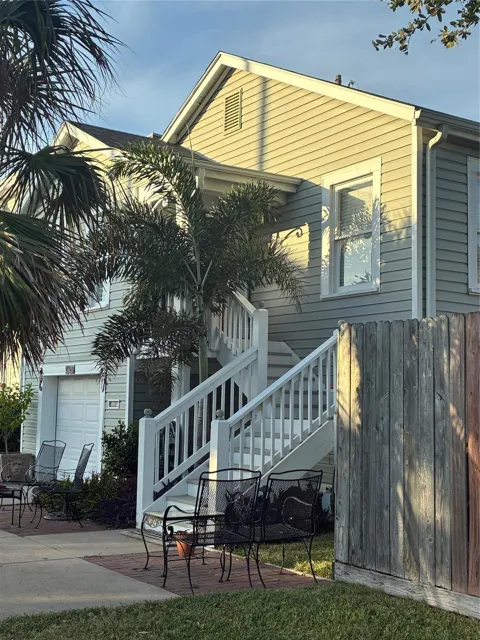
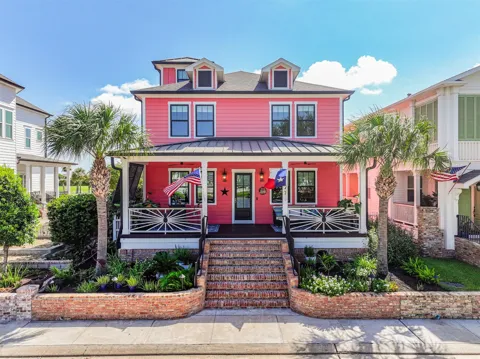
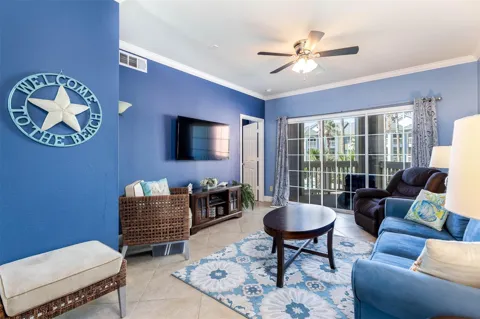
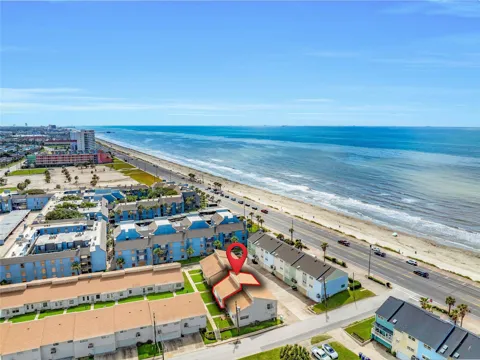
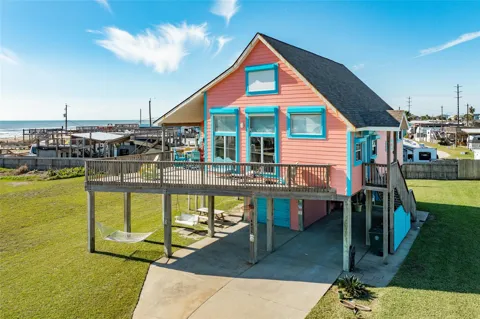
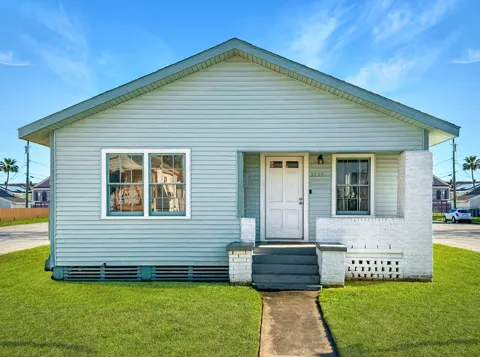
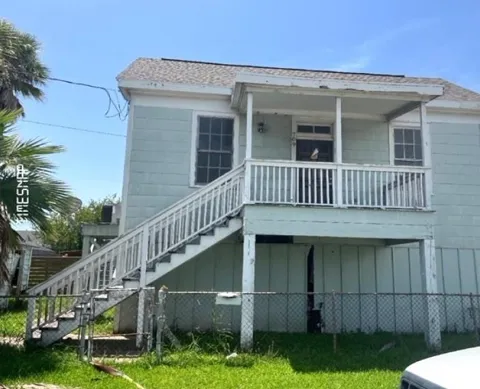
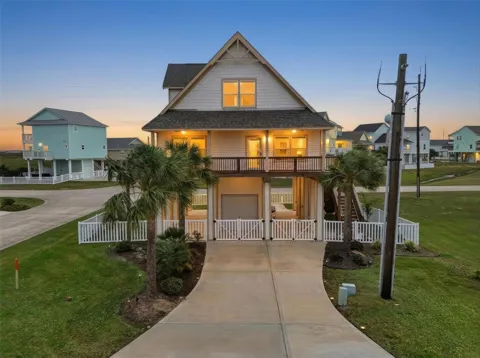
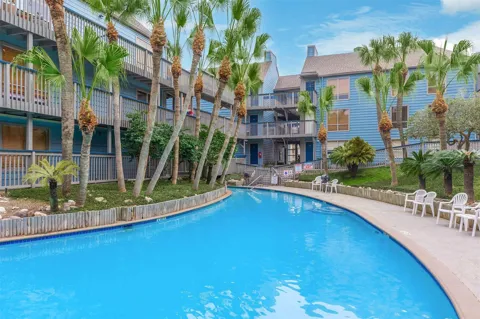
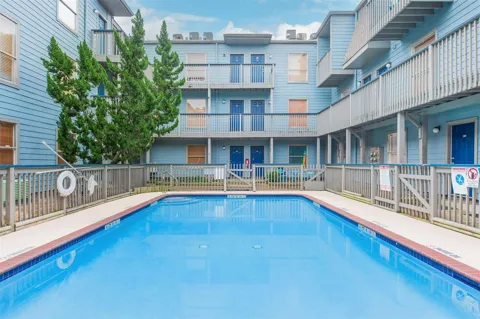
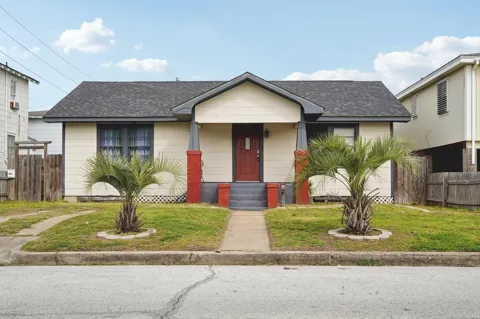
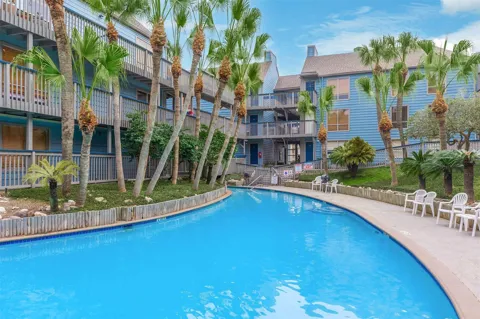
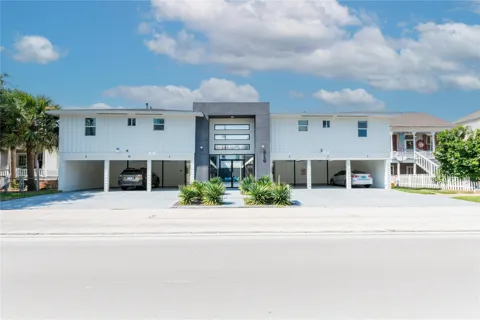
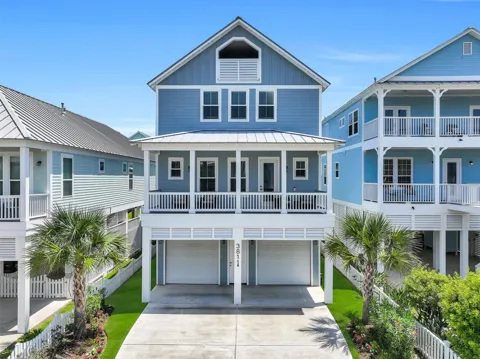
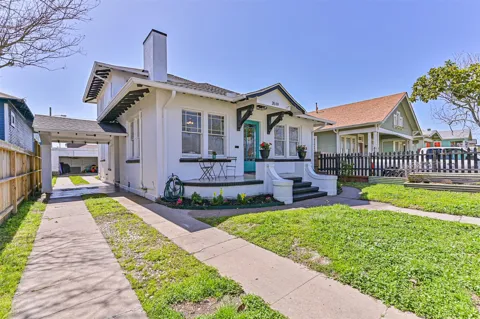
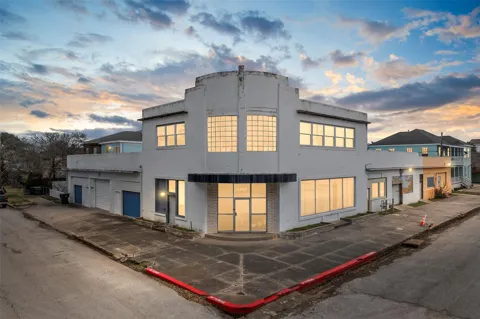
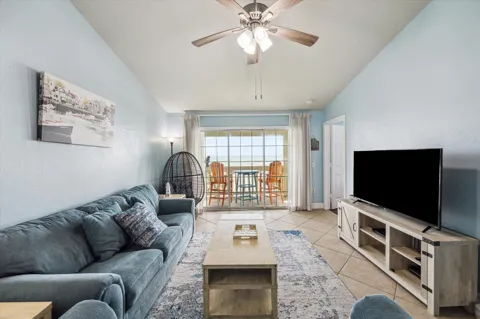
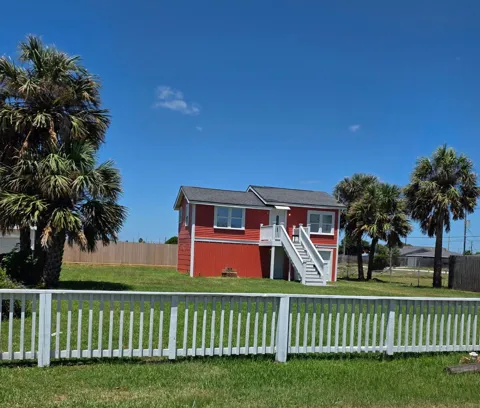
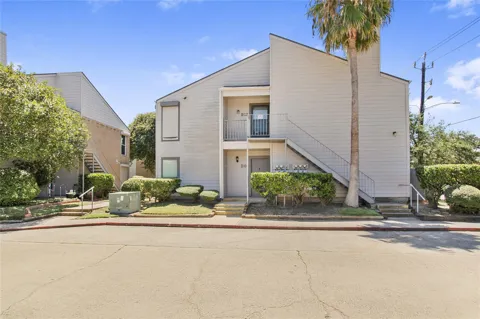
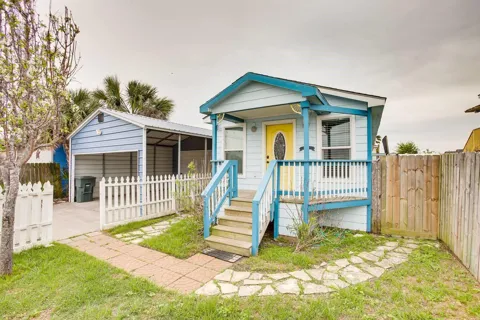
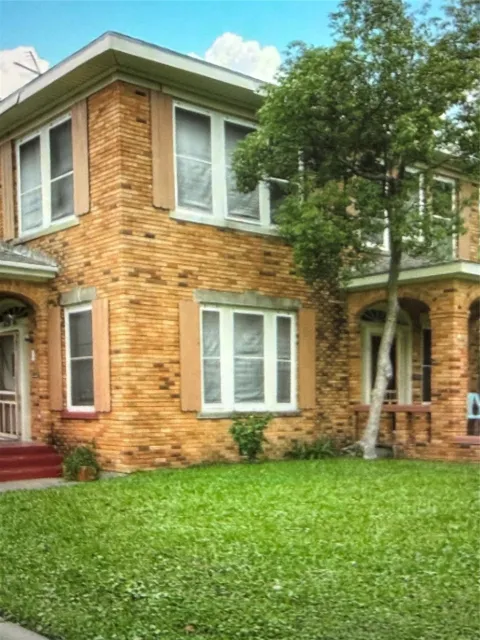
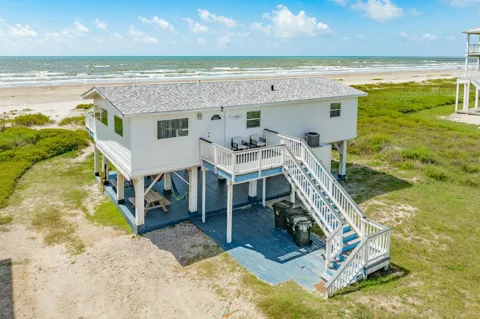
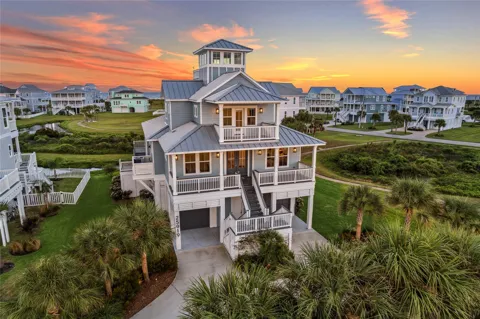
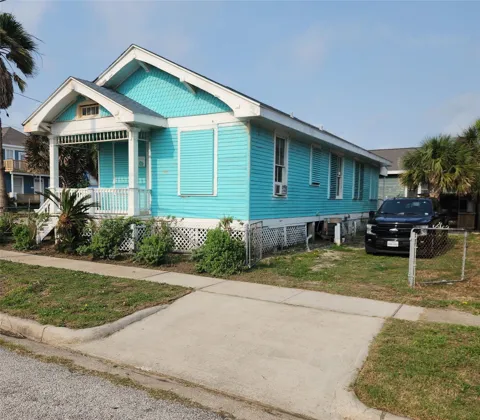
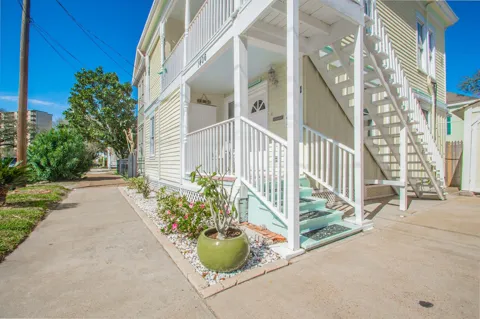
Galveston's housing stock is among the most distinctive in Texas, spanning more than a century of architectural styles. The East End Historic District, the island's first residential neighborhood, holds Victorian-era cottages, Greek Revival mansions and simple worker housing from the nineteenth century. The Silk Stocking Historic District is known for some of the island's finest Queen Anne residences. Newer construction clusters along the Seawall and the gulf-facing west end, where beachside condominiums and elevated homes predominate. Many properties are raised above grade to meet coastal flood standards, and older homes often carry historic-district design guidelines. Buyers weighing Galveston should expect a mix of restoration projects, mid-century houses and modern beach homes rather than the large master-planned subdivisions common on the Texas mainland.
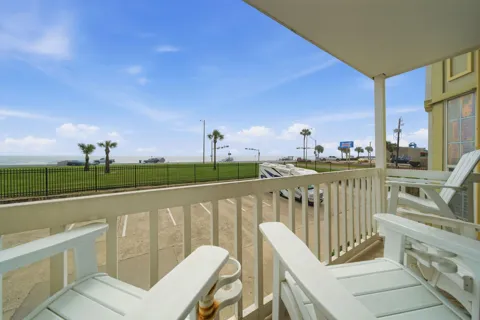
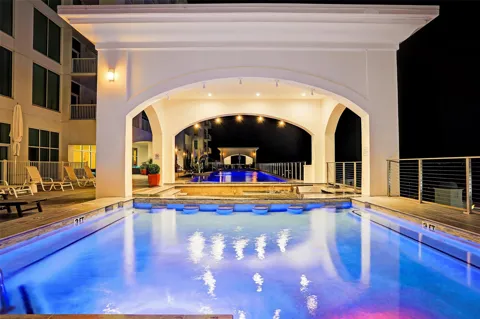
The East End Historic District borders downtown and is Galveston's oldest residential neighborhood, lined with restored Victorian homes and anchored by the East End Lagoon Nature Preserve. The Silk Stocking Historic District preserves some of the island's best Queen Anne architecture. Downtown and the Strand offer converted lofts and upper-story residences above shops and restaurants. Along the Seawall and toward the west end, condominium and resort-style buildings face the Gulf, popular with second-home buyers and vacation rentals. The island's western reaches include quieter beach communities and neighborhoods near Galveston Island State Park, while mid-island areas around the UTMB campus attract medical staff and students seeking proximity to work and school.
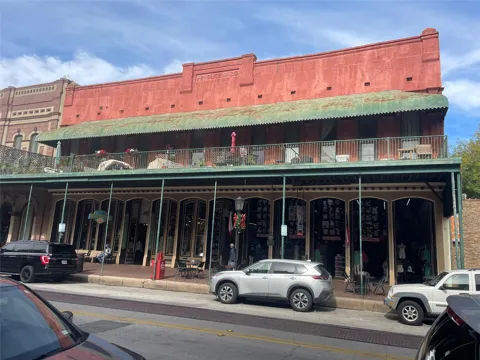
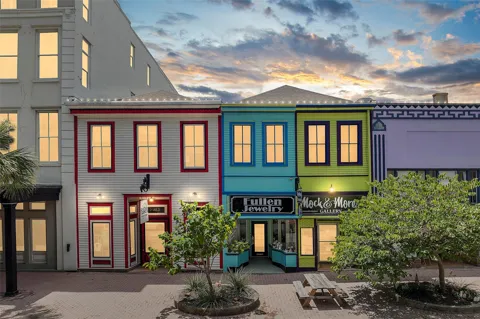
Galveston's lifestyle blends a beach town's relaxed pace with a port city's bustle. The Strand Historic District anchors downtown with its restored iron-front buildings, independent shops, galleries and restaurants, while the nearby waterfront and cruise terminals keep the harbor active. Moody Gardens' glass pyramids house an aquarium, rainforest and discovery museum, and the 1895 Moody Mansion offers a glimpse of the island's Gilded Age. Dining ranges from Gulf seafood on the Seawall to casual spots scattered through the historic districts. Festivals and events — from Mardi Gras to Dickens on the Strand and the annual Historic Homes Tour — draw crowds year-round, and the Seawall's wide sidewalks make the beachfront a constant social corridor.
Public education on the island is provided by Galveston Independent School District, a district of choice serving roughly 6,300 students across about ten campuses, including Ball High School and several elementary and middle schools. GISD also serves portions of the Bolivar Peninsula and the community of Jamaica Beach. The district operates a choice-based enrollment model that lets families select among campuses. Beyond K–12, higher education is a major presence: the University of Texas Medical Branch runs a large health-science campus, and Texas A&M University at Galveston offers maritime and marine-focused programs, giving the island an outsized academic footprint for a city of its size.
Galveston is reached from the mainland by Interstate 45, which crosses Galveston Bay on the causeway and feeds directly into the island's highway grid. The causeway links the island to Houston and its airports roughly 50 miles to the northwest, making Galveston a manageable commute for Houston-area workers. Within the city, Harborside Drive carries traffic between the port, cruise terminals and downtown. The Port of Galveston is a major Gulf cruise gateway, with multiple terminals along Harborside Drive serving several cruise lines. Local transit includes island bus service, and many of the historic neighborhoods and the Strand are walkable and bikeable by design.
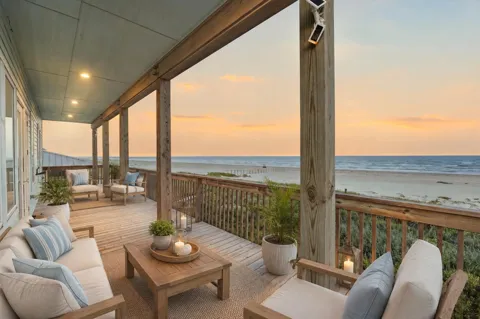
The Seawall is Galveston's defining public space — a miles-long promenade fronting the Gulf where walkers, runners and cyclists share the shore. Public beaches, including Stewart Beach and East Beach, draw swimmers and sunbathers, while Galveston Island State Park protects undeveloped dunes, wetlands and bayside habitat for kayaking, fishing and birding on the island's west end. Moody Gardens offers aquarium and rainforest exhibits alongside family attractions, and the East End Lagoon Nature Preserve provides trails and wildlife viewing near downtown. Deep-sea fishing charters, harbor cruises and sailing operate from the island's marinas, and recurring events such as Mardi Gras and Dickens on the Strand animate the historic districts through the year.
MARKET SNAPSHOT
How homes have been selling here over the last 90 days.
Market data reflects closed sales over the last 90 days and is provided for informational purposes.
EXPLORE COMMUNITIES
Browse the neighborhoods and subdivisions in this area.
BROWSE BY ZIP
Browse listings by postal code in this area.