Deepwater Gulf Coast Port City
Welcome to Freeport, a Brazoria County city on the Texas Gulf Coast known for its deepwater harbor, shrimping heritage, and nearby beaches.
Freeport is a city in Brazoria County, Texas, situated on the Gulf of Mexico at the mouth of the Brazos River, about 50 miles south of Houston. Founded in 1912 as a company town for the Freeport Sulphur Company, the city has tied its identity to the water for more than a century — first through sulfur mining, and later through commercial fishing and maritime trade. Port Freeport, established in 1925, is the defining economic institution of the area. The publicly owned deep-draft port handles exports and imports that rank it among the leading United States ports in foreign waterborne tonnage, supporting industrial activity and employment across Brazoria County and the Texas Gulf Coast. Alongside the port, a large commercial shrimp trawler fleet has operated from Freeport for decades, reinforcing the city's working-waterfront character and its connection to the Gulf's seafood economy. With a population of roughly 10,700, Freeport is a mid-sized Gulf Coast city with a predominantly Hispanic community. Its civic and economic life is closely tied to the harbor, the port, and the surrounding chemical and industrial corridor of the Brazosport region, which also includes the neighboring communities of Clute and Lake Jackson. Freeport anchors a cluster of coastal towns that also includes Quintana and Surfside Beach. Its location places residents minutes from Gulf beaches and within commuting range of the larger employment centers of Lake Jackson and the greater Houston area. The city's deep-water harbor, originally developed to ship sulfur, now moves containerized and bulk cargo that links the region to global trade routes. Freeport's combination of an industrial port economy, commercial fishing heritage, and nearby beach recreation gives it a distinct identity among Texas Gulf Coast communities — one rooted in work on the water and everyday access to the shore.
Freeport is located in Brazoria County, Texas, on the Gulf of Mexico near the mouth of the Brazos River, about 50 miles south of Houston along the state's upper Gulf Coast.
Freeport is known for Port Freeport, a deep-draft port that ranks among the nation's busiest in foreign waterborne tonnage, as well as its long-running commercial shrimp fleet and its origins as a sulfur-mining company town founded in 1912.
Freeport is located roughly 50 miles south of downtown Houston, reachable via the State Highway 288 and 332 corridor that connects the Brazosport area to the greater Houston region and its major employment centers.
The Gulf beaches of Surfside Beach, Quintana Beach, and Bryan Beach are all within a few miles of Freeport, offering swimming, fishing, birdwatching, beachcombing, and other Gulf Coast recreation throughout the year.
Freeport is served by Brazosport Independent School District, which covers the coastal Brazosport communities including Freeport, Clute, Lake Jackson, and Surfside Beach, and operates campuses across the region while serving students from the neighboring towns.
City Guide
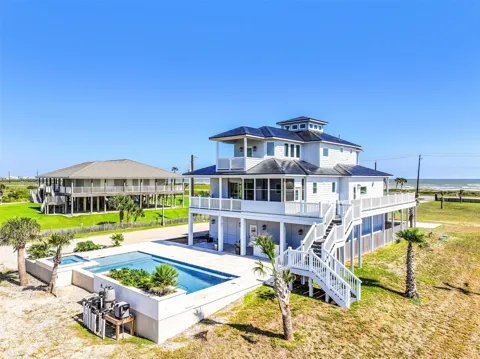
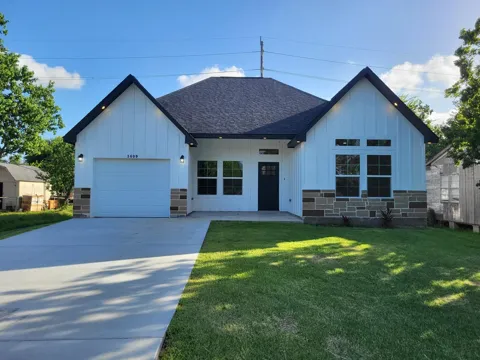
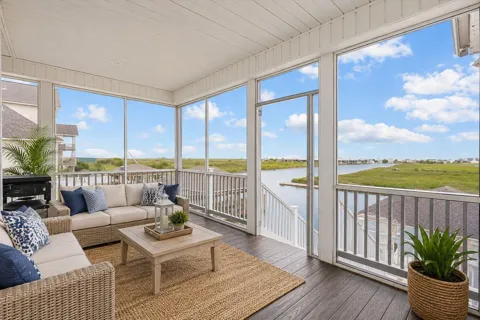
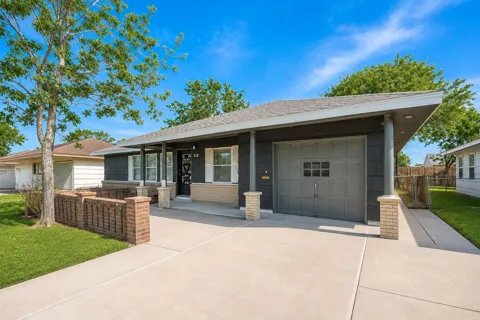
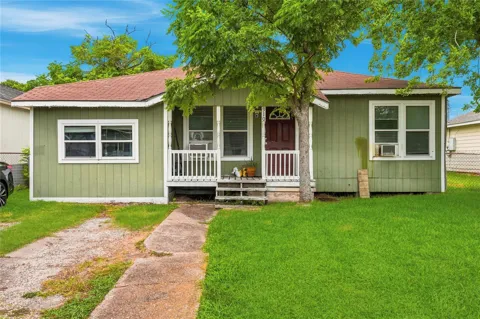
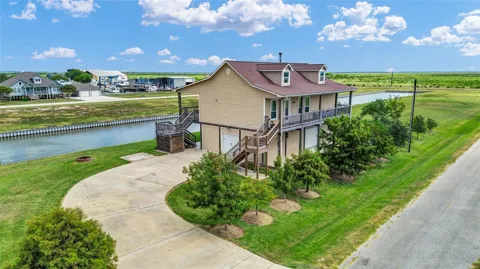
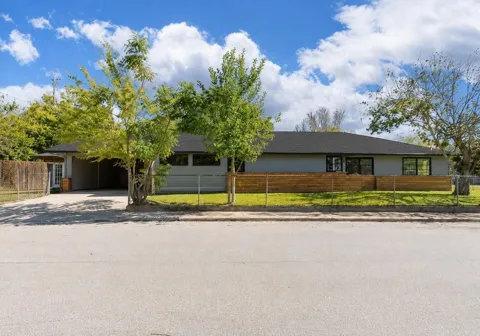
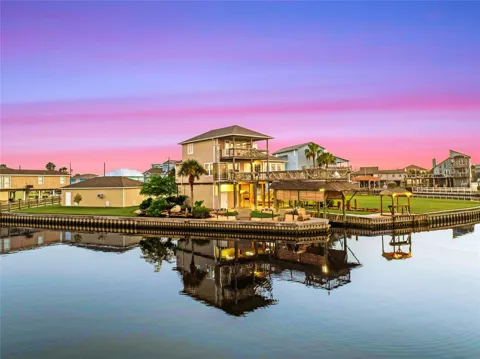
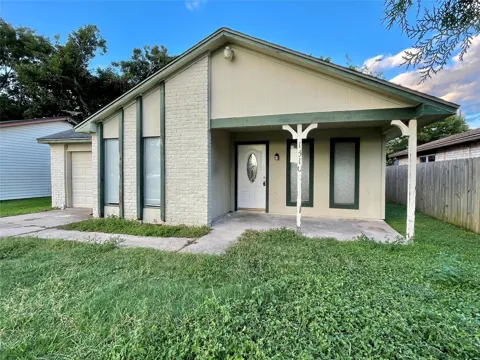
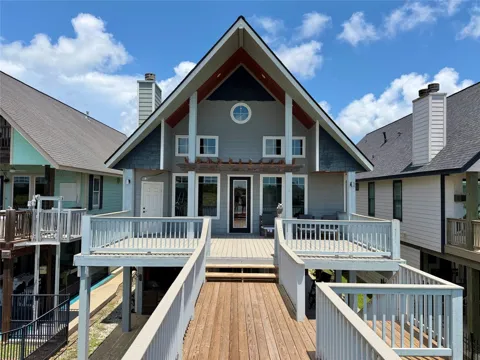
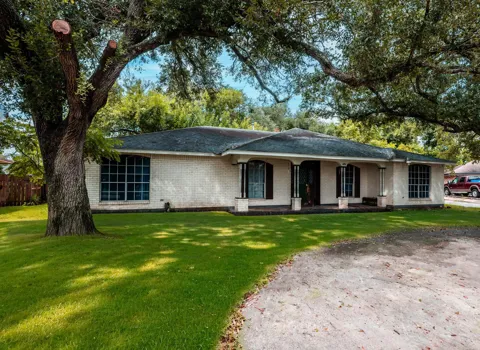
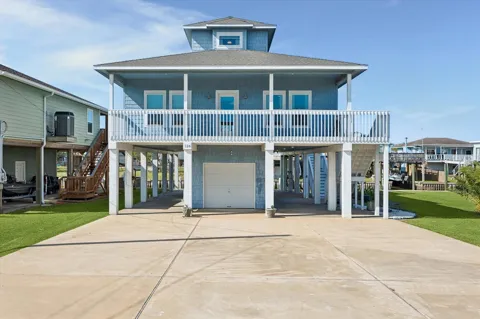
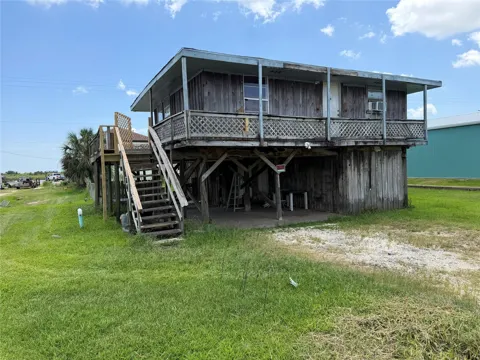
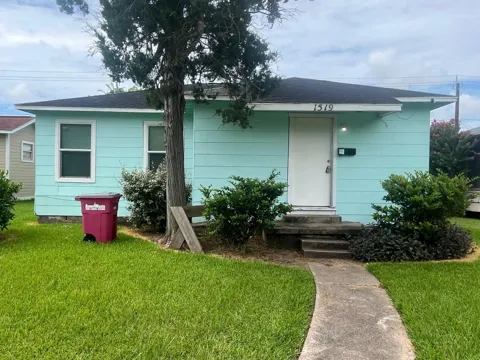
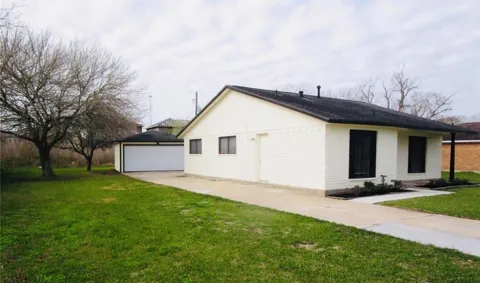
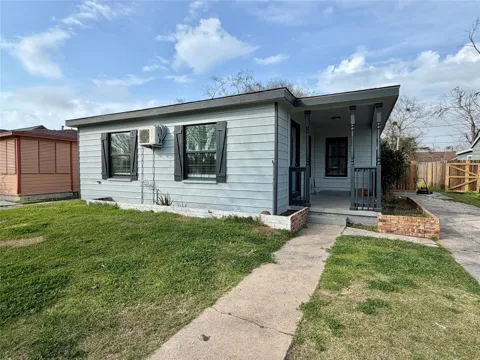
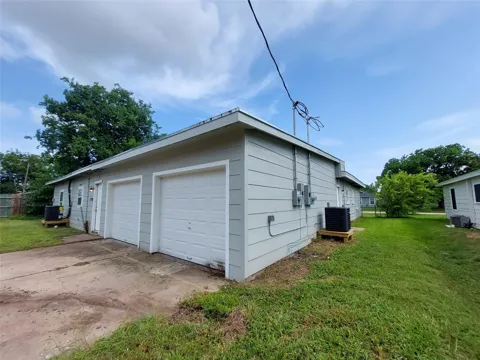
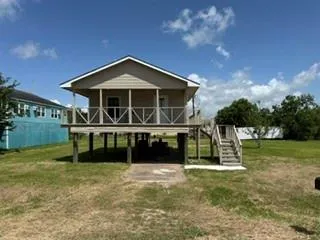
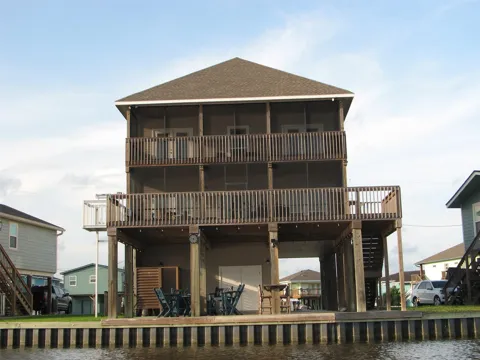
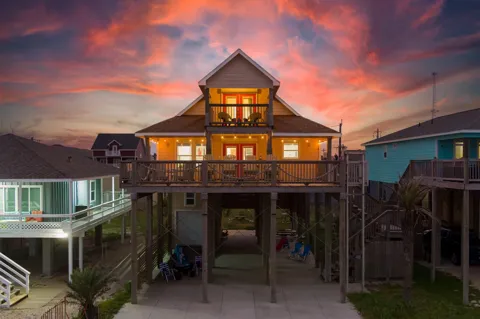
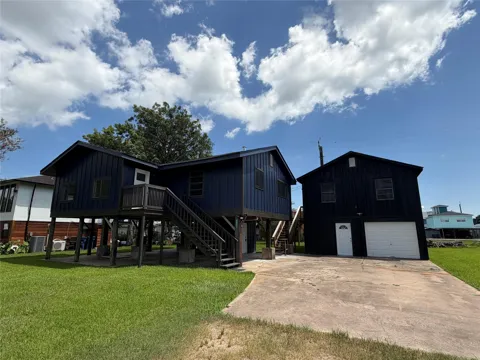
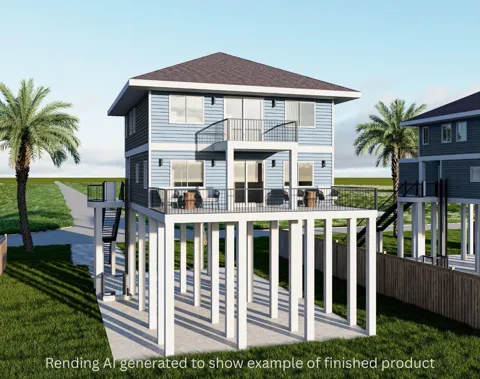
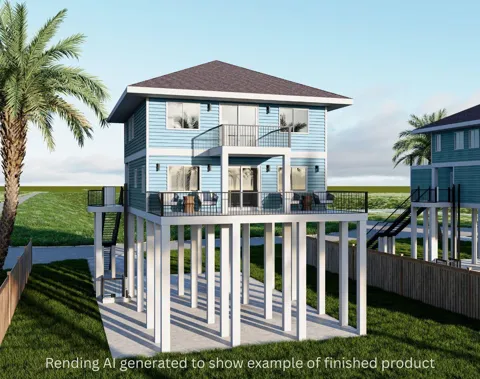
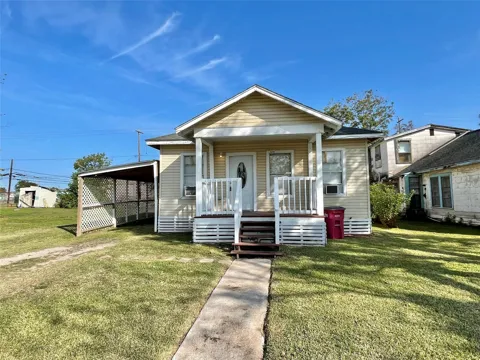
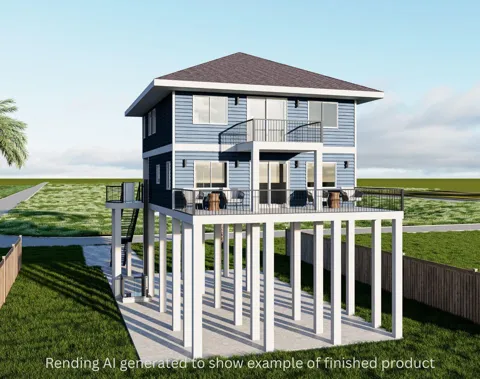
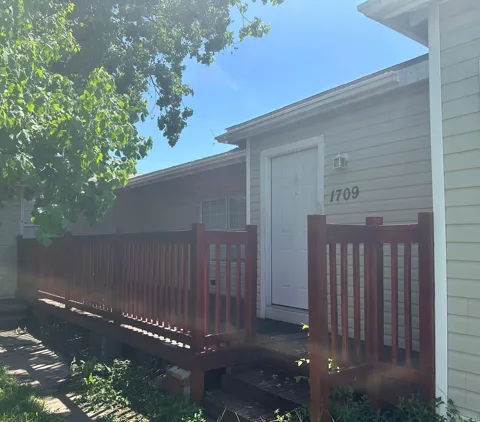
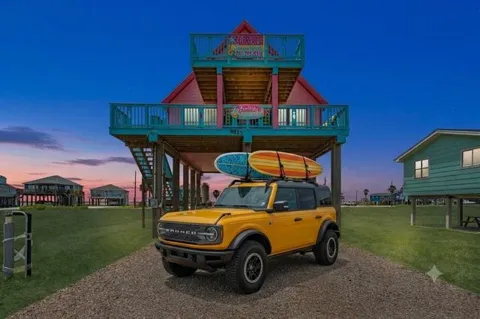
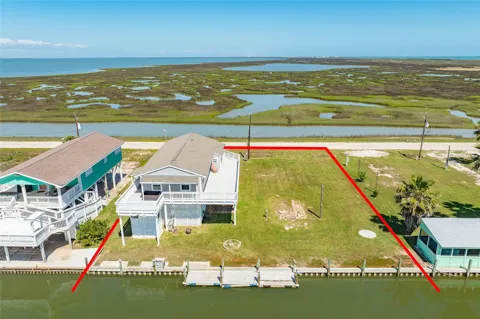
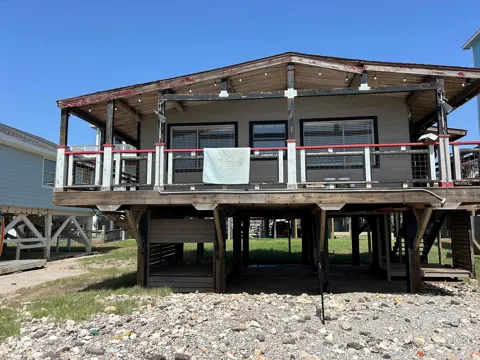
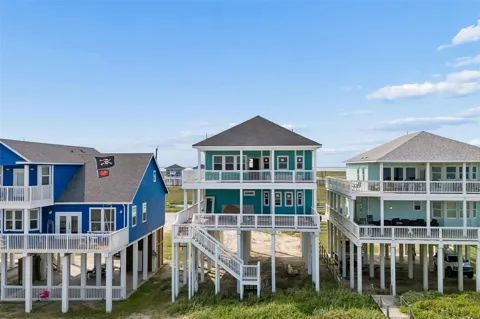
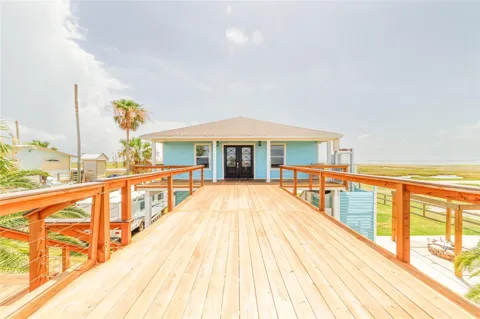
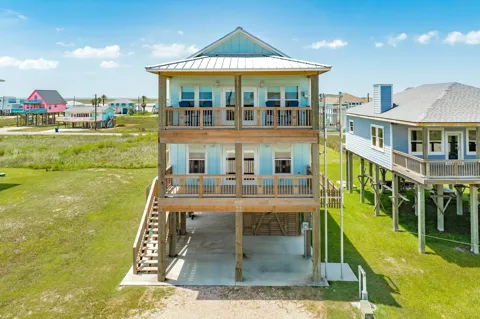
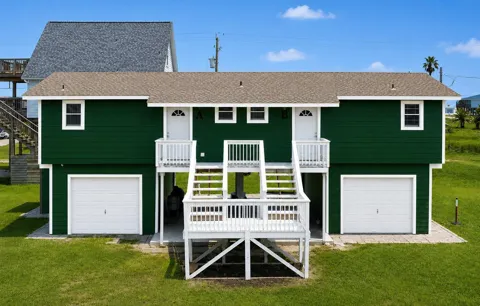
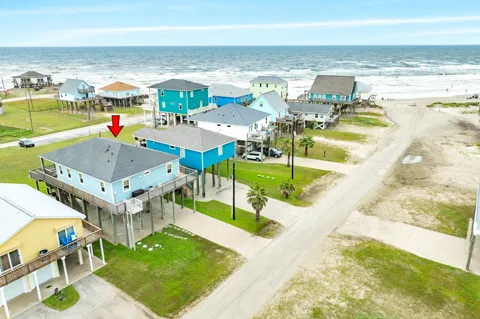
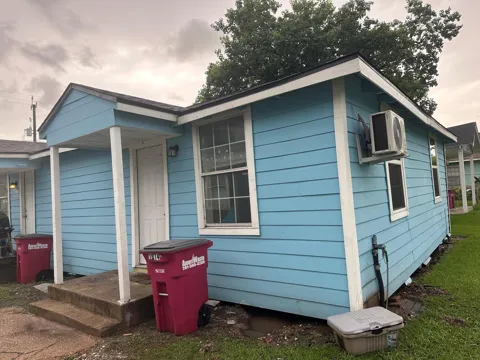
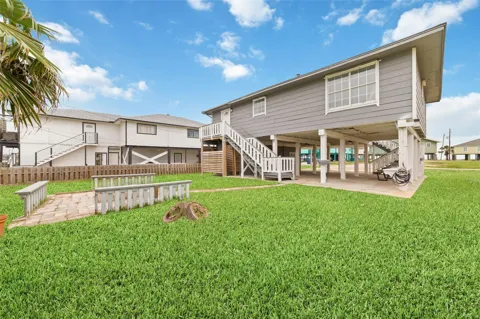
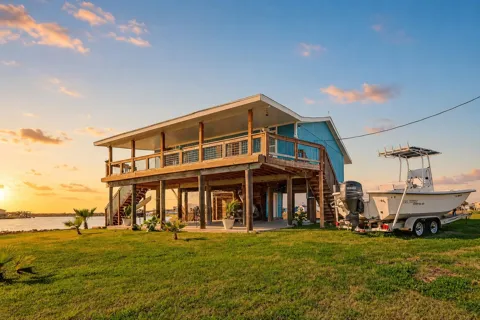
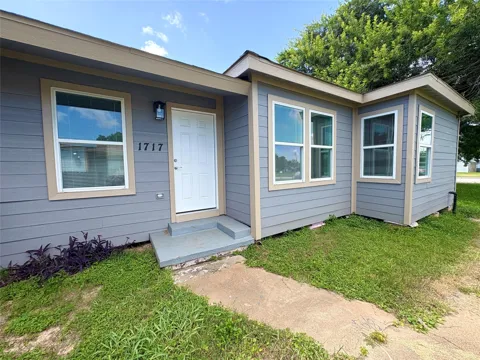
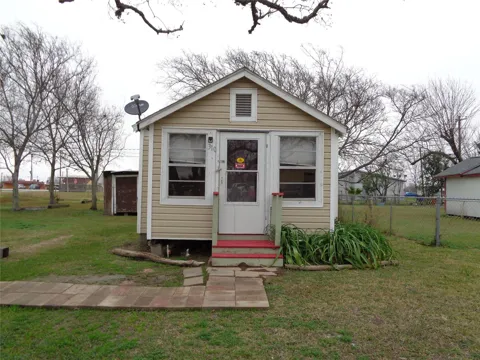
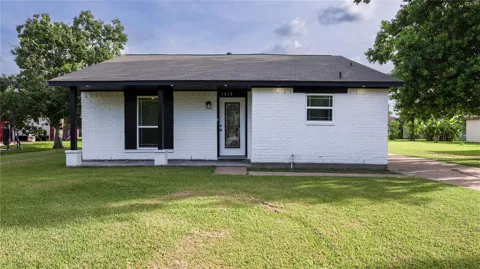
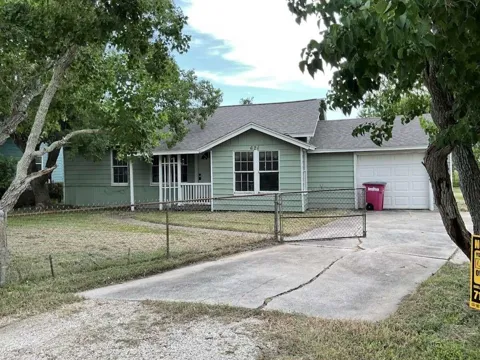
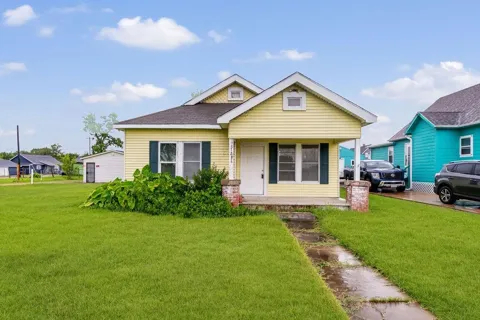
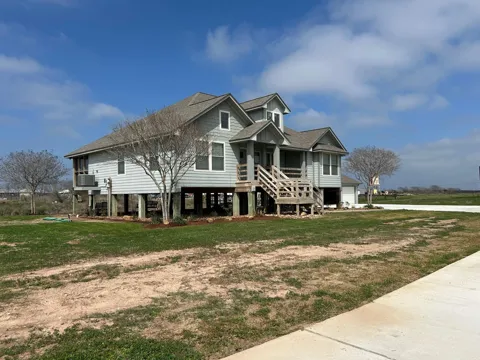
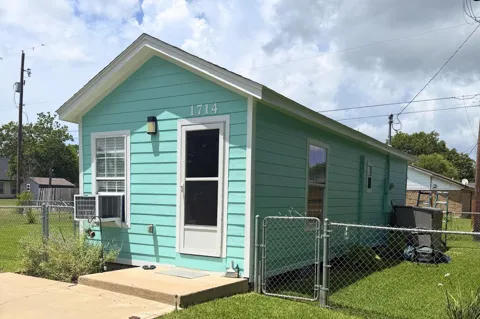
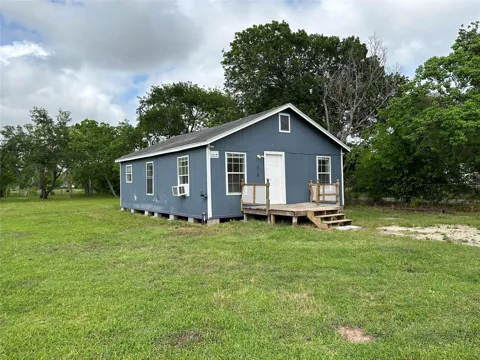
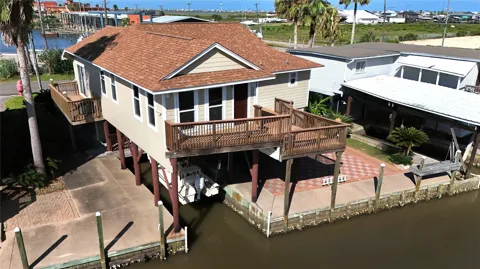
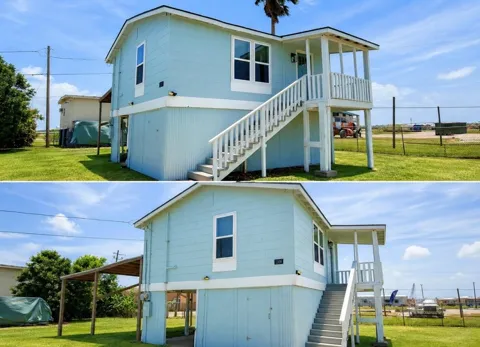
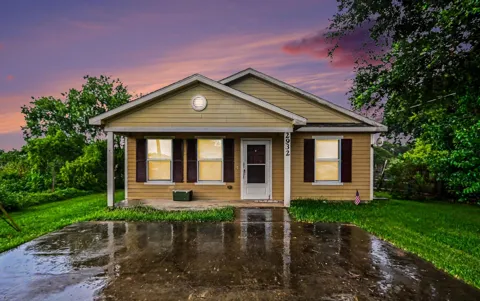
Freeport's housing stock reflects its working-coastal character, with a mix of modest single-family homes, older frame houses, and some newer construction. Development is concentrated between the harbor area and the residential streets that fan out toward the beaches. Housing tends toward practical, mid-century and later suburban styles rather than large estate lots. The city's industrial port setting shapes the market, with many residents employed in maritime, energy, and port-related industries. Nearby beach communities such as Surfside Beach add a recreational-housing dimension to the broader area.
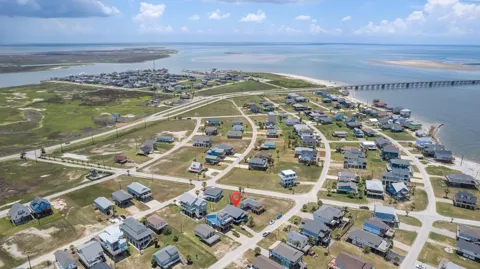
Freeport is part of the larger Brazosport cluster of communities, each with its own identity: Clute and Lake Jackson to the north, and the beach villages of Surfside Beach and Quintana to the south. Within Freeport, residential areas spread across the city between the harbor and the coastline. The close grouping of these towns means residents commonly cross municipal lines for shopping, schools, and work, giving the area a shared regional character centered on the port and the Gulf.
Life in Freeport is shaped by the Gulf and the working waterfront. Fishing — both commercial and recreational — is woven into local culture, and the shrimping fleet is a point of community pride. The pace is slower and more blue-collar than Houston's suburbs, with seafood, beach outings, and outdoor recreation at the center of daily life. The beaches at Surfside, Quintana, and Bryan provide swimming, beachcombing, and birdwatching within minutes. The industrial port economy provides steady employment, while the nearby towns of Lake Jackson and Clute add retail and dining options.
Freeport is served by Brazosport Independent School District, which covers the Brazosport region's coastal communities, including Freeport, Clute, Lake Jackson, and Surfside Beach. The district operates elementary, intermediate, and high school campuses across the area, with Freeport Intermediate located within the city. Brazosport ISD anchors the educational landscape for families throughout the port region, and its schools draw students from across the cluster of neighboring towns.
Freeport sits at the southern end of the State Highway 288/332 corridor, which connects the Brazosport area to Houston and its southwestern suburbs. The route places downtown Houston roughly 50 miles to the north. Port Freeport's deepwater channel is the region's primary freight gateway, moving cargo between the Gulf and the broader Texas economy. Local roads link Freeport to neighboring Clute, Lake Jackson, and the beach communities, and the regional highway network provides access to Houston's medical, energy, and port employment centers.
Freeport anchors a stretch of Gulf Coast recreation. Surfside Beach, Bryan Beach, and Quintana Beach offer swimming, surfing, fishing, and beachcombing within a few miles. Quintana Beach County Park preserves the site of the Civil War-era Fort Bates and World War II harbor defenses, adding a historical layer to the shoreline. Birdwatching, kayaking, and saltwater fishing are popular throughout the Brazosport area, and the coastal setting makes outdoor recreation a year-round part of life for residents and visitors alike.
MARKET SNAPSHOT
How homes have been selling here over the last 90 days.
Market data reflects closed sales over the last 90 days and is provided for informational purposes.
EXPLORE COMMUNITIES
Browse the neighborhoods and subdivisions in this area.
BROWSE BY ZIP
Browse listings by postal code in this area.