Tarrant County Seat and Cowtown
Welcome to Fort Worth, the Tarrant County seat where the American West meets a world-class cultural district, a revitalized downtown, and more than a hundred miles of Trinity River trails.
Fort Worth anchors the western half of the Dallas–Fort Worth metroplex in North Texas and serves as the seat of Tarrant County. Founded as a frontier army outpost in 1849 and shaped by the cattle drives of the Chisholm Trail era, the city has long traded on its western identity—"Cowtown" and "Where the West Begins"—while growing into one of the nation's larger cities. The arrival of the railroad in the late nineteenth century made it a livestock and trade center, and later growth in oil, manufacturing, and aviation turned it into a diversified economic hub. Today the city's economy runs on aviation, aerospace, defense, and logistics, with American Airlines, Lockheed Martin Aeronautics, Bell Textron, and BNSF Railway among the anchor employers. The Lockheed Martin Aeronautics headquarters and its F-35 program sit on the city's west side, and American Airlines maintains its global headquarters locally, giving Fort Worth one of the strongest aerospace and corporate-aviation clusters in the country. The city's character is a study in contrasts. The Fort Worth Stockyards National Historic District preserves its cowboy heritage with brick streets, longhorn cattle drives, and western-themed attractions, while Sundance Square anchors a lively downtown of restaurants, theaters, and public plazas. A few miles west, the Cultural District clusters nationally recognized art museums around green space, and the Near Southside offers walkable, historic streets lined with bungalows and local businesses. Established westside and southwest neighborhoods, plus newer subdivisions on the city's northern and southern edges, complete a housing landscape that spans more than a century of growth. Residents range from families in long-established neighborhoods to professionals drawn to downtown and Near Southside living, students around Texas Christian University, and workers in the aerospace and rail industries. With roughly one million residents, Fort Worth offers the scale and amenities of a major city while retaining a distinctly Texan, western-rooted identity that sets it apart from Dallas, its neighbor to the east.
Fort Worth is the seat of Tarrant County in North Texas and anchors the western half of the Dallas–Fort Worth metroplex. The city has roughly one million residents, and Tarrant County is one of the state's most populous counties.
Fort Worth is known for its western heritage, concentrated in the Fort Worth Stockyards National Historic District, and for its Cultural District of major art museums including the Kimbell Art Museum, the Amon Carter Museum of American Art, and the Modern Art Museum of Fort Worth. The city is also a hub for aviation and aerospace, with American Airlines and Lockheed Martin Aeronautics headquartered locally.
Fort Worth Independent School District is the largest of the twenty school districts in Tarrant County and serves most of the city, with neighborhood campuses, magnet programs, and choice schools. Surrounding communities are served by additional independent districts, and higher education is anchored by Texas Christian University.
Fort Worth and Dallas are roughly 30 miles apart and together anchor the Dallas–Fort Worth metroplex. The two downtowns are connected by Interstate 30 and by the Trinity Railway Express commuter rail line, which makes the trip with several stops in the Mid-Cities.
Fort Worth is built around Interstates 35W, 30, and 20 and Loop 820, and most residents drive. Trinity Metro provides bus service and TEXRail, a rail line linking downtown Fort Worth to DFW International Airport via North Richland Hills and Grapevine, while the Trinity Railway Express offers commuter rail between Fort Worth and Dallas.
The Trinity Trails system offers roughly 100 miles of paths along the Trinity River and its tributaries, connecting more than thirty neighborhoods and twenty parks. Trinity Park features a duck pond and miniature train, the Fort Worth Botanic Garden is the oldest in Texas, and the Fort Worth Zoo and Stockyards add family-friendly attractions.
City Guide
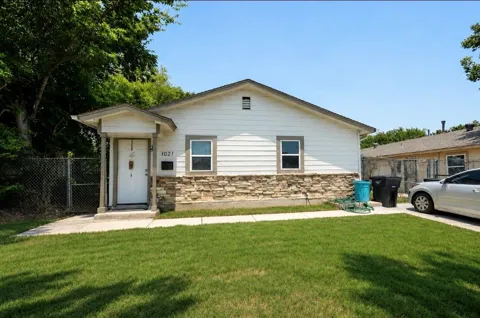
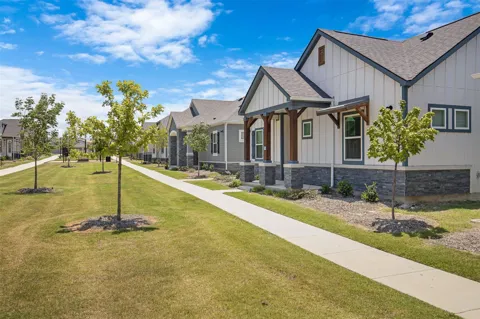
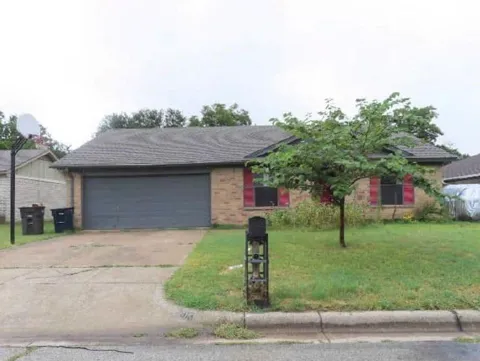
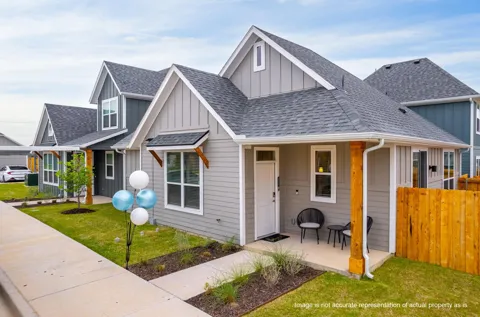
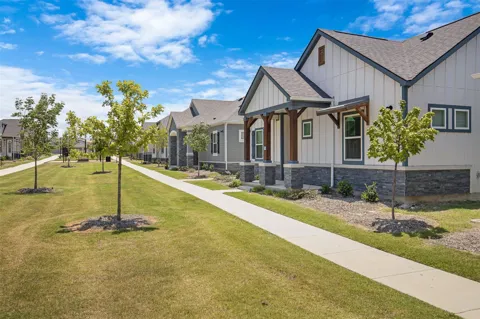
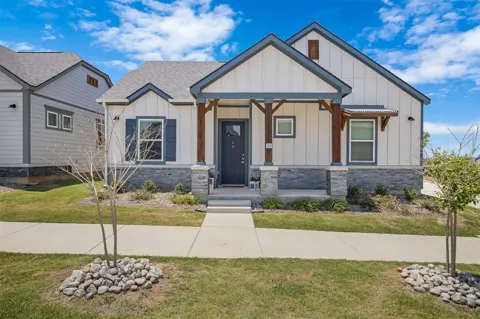
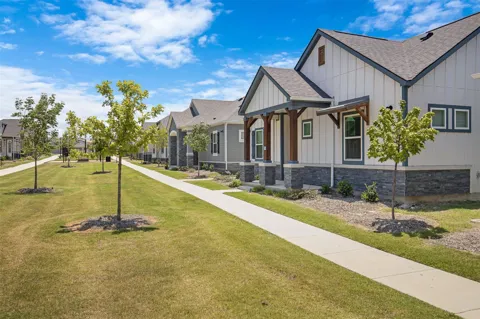
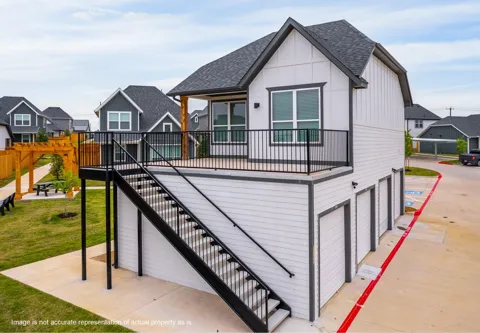
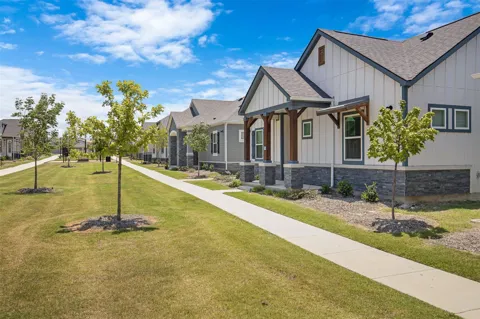
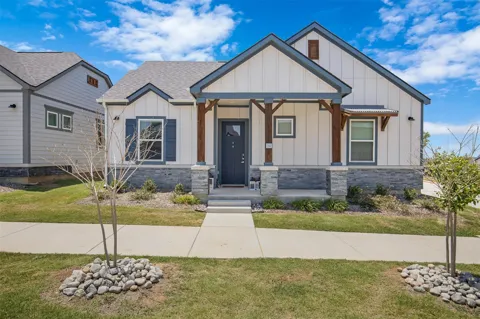
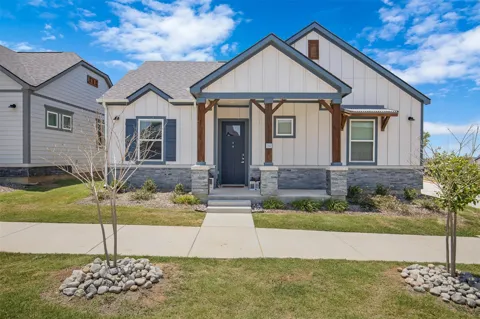
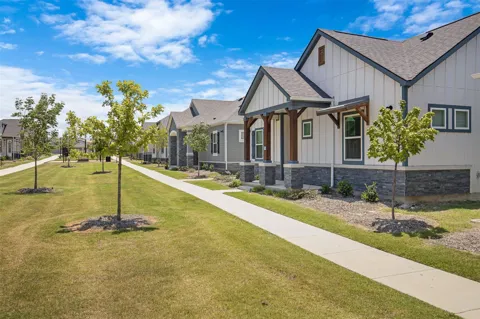
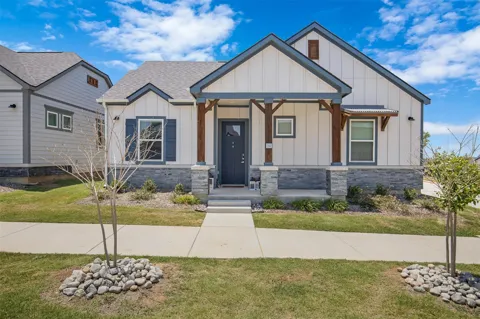
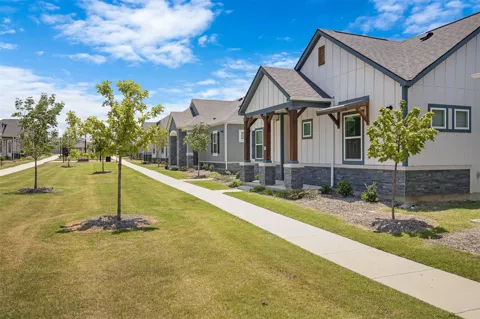
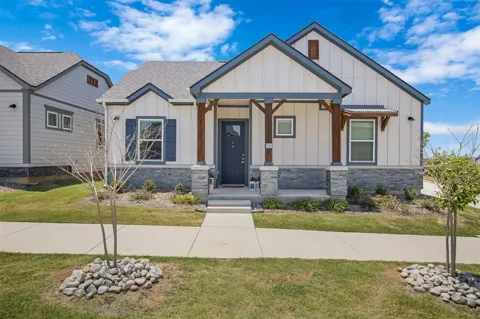
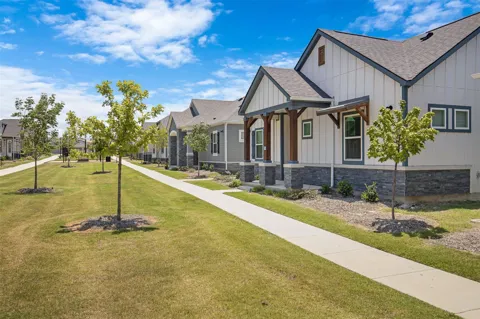
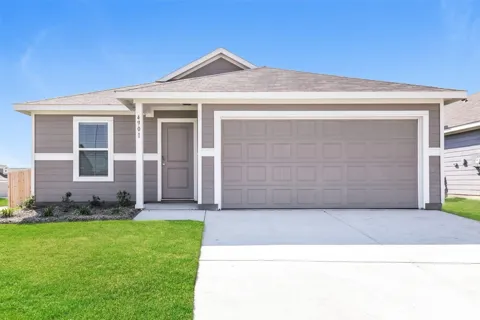
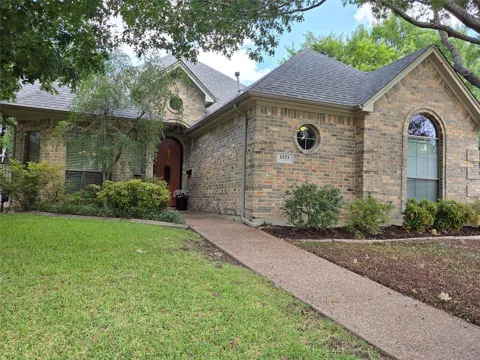
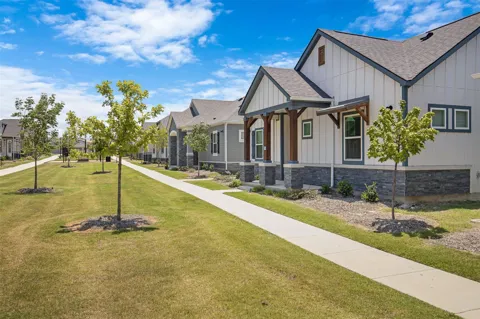
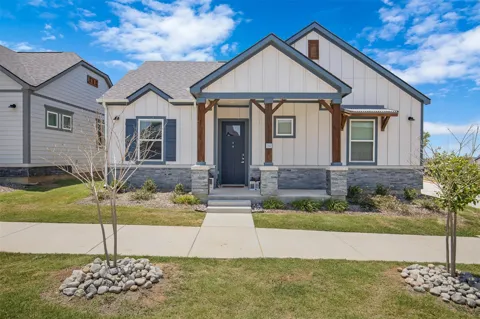
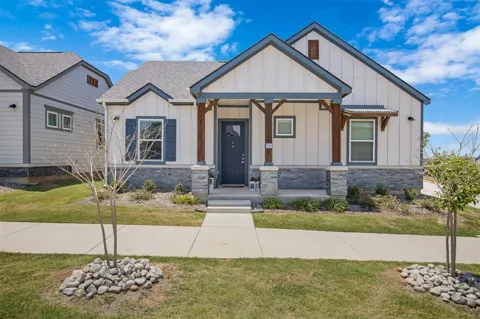
Fort Worth's housing stock is defined by its early-twentieth-century neighborhoods and later suburban growth. The Fairmount Southside Historic District on the Near Southside covers about a square mile of turn-of-the-century housing platted between 1883 and 1907 and is regarded as one of the nation's largest bungalow districts. Craftsman-style houses also define Arlington Heights, Oakhurst, Berkeley, and Mistletoe, while Arlington Heights itself was the city's fastest-growing section during the 1920s. Victorian and early frame houses survive along Samuels Avenue east of downtown. Farther out, the west and southwest parts of town hold established mid-century subdivisions such as Tanglewood, Westcliff, and Wedgwood, and newer construction extends across the northern and southern edges of the city. This range means buyers can choose among historic bungalows, tree-lined mid-century blocks, and newer single-family communities within one city.
Fort Worth's neighborhoods offer distinct identities. The Near Southside, anchored by Fairmount and the restaurant-and-shop corridor of Magnolia Avenue, is the city's historic, walkable heart. Arlington Heights, west of downtown, holds 1920s-era homes and borders the Cultural District, while Tanglewood, Westcliff, and Wedgwood form established mid-century communities in the southwest. Rivercrest, along the Trinity River, is among the city's most coveted traditional addresses. Around Texas Christian University, neighborhoods blend student housing with family homes, and north and far south Fort Worth add newer planned subdivisions. Downtown's Sundance Square and the surrounding blocks have added apartment and condominium living to a mix that also includes the historically significant Ryan Place and Mistletoe Heights districts.
Fort Worth's cultural life is anchored by the Cultural District, a few miles west of downtown, where major art museums—including the Kimbell Art Museum, the Amon Carter Museum of American Art, and the Modern Art Museum of Fort Worth—sit near the Botanic Garden and Will Rogers Memorial Center. Downtown's Sundance Square clusters restaurants, theaters, and events around a walkable plaza. The Fort Worth Stockyards National Historic District offers a working cattle-drive, western shopping, and honky-tonk entertainment that draws visitors year-round. Dining spans Texas barbecue, Tex-Mex, and an independent restaurant scene concentrated along Magnolia Avenue and downtown, while Texas Christian University athletics and a strong performing-arts calendar round out the city's entertainment offerings.
The Fort Worth Independent School District is the largest of the twenty school districts in Tarrant County, serving most of the city with neighborhood campuses, magnet programs, and choice schools. Surrounding communities are served by additional independent districts, giving families across the metro area a range of public options, and the city is home to numerous private and parochial schools. Higher education is anchored by Texas Christian University, whose campus sits in the southern part of the city, along with Tarrant County College and a number of professional and graduate programs. For relocating families, school boundaries follow neighborhood and municipal lines, so district and campus assignment are important factors in the home search.
Fort Worth sits at the junction of Interstates 35W, 30, and 20, with Loop 820 circling the city, and most residents get around by car. Public transit is provided by Trinity Metro, which operates buses and TEXRail, a hybrid rail line connecting downtown Fort Worth to DFW International Airport by way of North Richland Hills and Grapevine. The Trinity Railway Express commuter rail, operated with Dallas Area Rapid Transit, links downtown Fort Worth to downtown Dallas with several stations in Fort Worth and the Mid-Cities. DFW International Airport, one of the nation's busiest, lies just northeast of the city and is reachable directly on TEXRail, while the surrounding freeway network ties the western metroplex together.
Recreation in Fort Worth revolves around the Trinity River. The Trinity Trails system offers roughly 100 miles of paved paths along the river and its tributaries, connecting more than thirty neighborhoods and twenty parks for walking, running, and cycling. Trinity Park, adjacent to downtown, features a duck pond, a miniature train, and access to the trail network, while Forest Park runs along the river near the Fort Worth Zoo. The Fort Worth Botanic Garden, the oldest botanical garden in Texas, adjoins the park system with themed gardens and a Japanese garden. The Stockyards add horseback and western heritage attractions, and the city's park system extends the trail network into surrounding communities.
MARKET SNAPSHOT
How homes have been selling here over the last 90 days.
Market data reflects closed sales over the last 90 days and is provided for informational purposes.
BROWSE BY ZIP
Browse listings by postal code in this area.