Gateway to the Hill Country
Welcome to Dripping Springs, the "Gateway to the Hill Country" west of Austin—a Hays County town of springs, wedding venues, and craft distilleries.
Dripping Springs sits at the eastern edge of the Texas Hill Country in northern Hays County, about 20 to 25 miles west of downtown Austin. Its position—where the suburban sprawl of the state capital gives way to limestone hills, live oaks, and spring-fed creeks—has earned it the nickname "Gateway to the Hill Country." U.S. Route 290 runs through the city, providing the primary connection to Austin and serving as the spine of the growing western corridor. The town's name comes from its geography. Settlers arrived in the 1850s, drawn by reliable springs that dripped from the limestone ledges, fertile farmland, and rolling terrain. A post office opened in 1857, and the community grew as a rural Hill Country crossroads for more than a century. Today that spring-fed heritage lives on in the area's natural attractions and in the town's enduring sense of place. Modern Dripping Springs is best known for two things: its designation by the Texas Legislature as the "Wedding Capital of Texas" and its concentration of distilleries, breweries, and wineries. The hospitality economy built around weddings, tastings, and Hill Country tourism gives the town a visitor-friendly energy unusual for a community of its size, and it has become a day-trip and destination dining draw for the Austin region. Residentially, Dripping Springs has grown around master-planned communities such as Caliterra, Headwaters, Heritage, and others, alongside custom acreage and older homes near the historic core. Dripping Springs ISD, serving roughly 8,600 students, is a major draw for families. The combination of highly regarded schools, Hill Country scenery, and proximity to Austin—plus nearby natural landmarks like Hamilton Pool Preserve and Reimers Ranch—makes Dripping Springs a sought-after base for those seeking space and scenery without leaving the Austin economy behind.
Dripping Springs is located in Hays County, Texas, in the northern part of the county. It sits at the eastern edge of the Texas Hill Country, about 20 to 25 miles west of downtown Austin.
Dripping Springs lies about 20 to 25 miles west of downtown Austin, with U.S. Route 290 providing the main connection. The drive typically takes around 25 to 35 minutes depending on traffic, making the city a commuter base for Austin while retaining a distinctly Hill Country setting.
Dripping Springs is served by Dripping Springs ISD, which enrolls roughly 8,600 students from pre-K through 12th grade across northern Hays County. The district is a central draw for families moving to the area, and its campuses serve the city and surrounding communities.
Dripping Springs was designated the official 'Wedding Capital of Texas' by the state legislature because of its large concentration of Hill Country wedding venues. The town and surrounding area are also known for their many distilleries, breweries, wineries, and vineyards, along with live music and scenic views.
Dripping Springs is close to several signature Hill Country natural areas. Hamilton Pool Preserve, a spring-fed swimming hole beneath a limestone grotto, and Reimers Ranch Park are both nearby, while Pedernales Falls State Park and the wider Hill Country lie just to the west.
City Guide
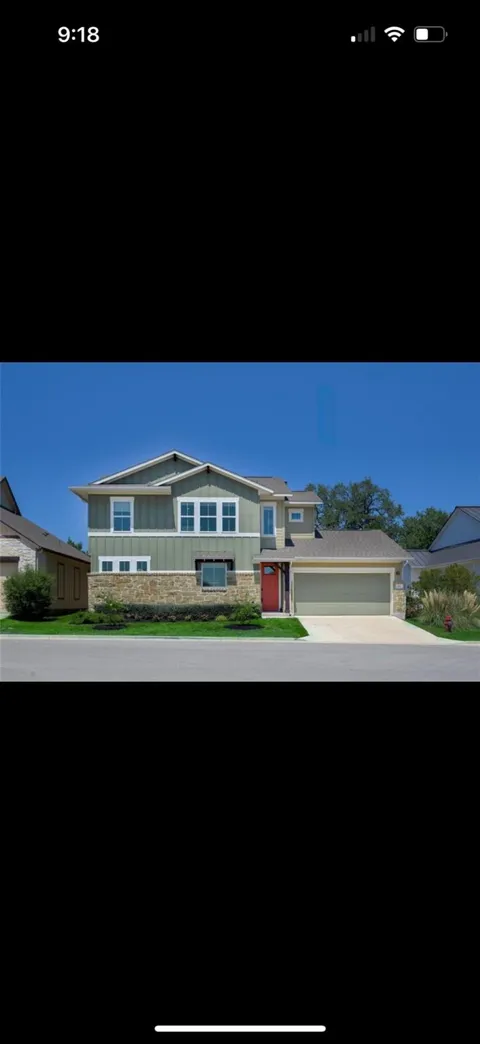
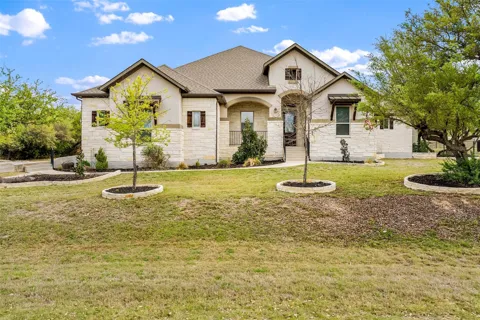
Dripping Springs' housing market is dominated by Hill Country-style homes and master-planned communities. Developments such as Caliterra, Headwaters, Heritage, Big Sky Ranch, and Double L Ranch offer new single-family construction with community amenities, and several incorporate equestrian features into their plans. Buyers also find custom homes on larger acreage lots, along with older homes in the established town core. The market blends suburban master-planned living with rural Hill Country property, attracting families, commuters to Austin, and those seeking space and scenery. Architectural styles lean toward Texas Hill Country and modern farmhouse designs, with limestone accents and native landscaping common throughout the area.
Dripping Springs' residential landscape is organized around its master-planned communities and surrounding Hill Country acreage. Caliterra is a master-planned community emphasizing parks, trails, and community amenities, while Headwaters offers newer homes with Hill Country views roughly 25 minutes from Austin. Heritage, Big Sky Ranch, and Double L Ranch are among the larger planned developments, with some neighborhoods incorporating equestrian amenities. Beyond the planned communities, residents can find older homes near the historic downtown and larger custom properties on acreage throughout northern Hays County. The result is a mix of new-construction neighborhoods, established streets, and rural homesteads tied together by the U.S. 290 corridor.
Dripping Springs pairs Hill Country charm with a lively food-and-drink scene. The town is the official "Wedding Capital of Texas," with numerous event venues set among rolling hills and live oaks, and its concentration of distilleries, breweries, wineries, and vineyards draws visitors from across the region. The historic downtown around Mercer Street offers local shops, restaurants, and live music venues with a small-town feel. Residents enjoy a slower pace than Austin while remaining close enough to commute, and the area's natural attractions—spring-fed swimming holes, parks, and scenic drives—shape a distinctly outdoor-oriented Hill Country lifestyle. Community events, farmers markets, and the growing hospitality economy give the town a welcoming, culturally rich character.
Dripping Springs is served by Dripping Springs ISD, which enrolls roughly 8,600 students in pre-K through 12th grade across northern Hays County. The district's reputation is a central factor in the area's residential growth, and its campuses serve the city and surrounding communities. Families also have access to nearby private and charter school options, and higher education is available within commuting distance, including Texas State University in San Marcos and institutions in Austin. The district's multi-campus structure means school assignment follows residential address within the fast-expanding U.S. 290 corridor.
Dripping Springs is connected to the Austin region primarily by U.S. Route 290, which runs east-west through the city and provides the main route into Austin, about 20 to 25 miles to the east. State Highway 12 connects the area to Wimberley and San Marcos to the south. The city has no rail service, so commuting is car-based, with the drive to central Austin typically taking around 25 to 35 minutes depending on traffic. Austin-Bergstrom International Airport lies to the southeast, roughly 30 to 40 minutes away by car. The U.S. 290 corridor is the region's central artery, and its continued improvement shapes daily travel patterns for Dripping Springs residents.
Dripping Springs' recreation centers on the Hill Country landscape. Hamilton Pool Preserve, a short drive away, features a spring-fed swimming hole beneath a collapsed limestone grotto, while Reimers Ranch Park offers hiking, climbing, and river access along the Pedernales. Pedernales Falls State Park lies just west, adding trails, camping, and river views. Closer to town, residents enjoy the area's wineries, breweries, and distilleries, along with live music venues and ranch parks. The city's parks and the surrounding ranchland provide space for outdoor activities, and the broader Hill Country's scenic drives, rivers, and state parks extend the recreational reach for hikers, anglers, and nature lovers year-round.
MARKET SNAPSHOT
How homes have been selling here over the last 90 days.
Market data reflects closed sales over the last 90 days and is provided for informational purposes.
EXPLORE COMMUNITIES
Browse the neighborhoods and subdivisions in this area.
BROWSE BY ZIP
Browse listings by postal code in this area.