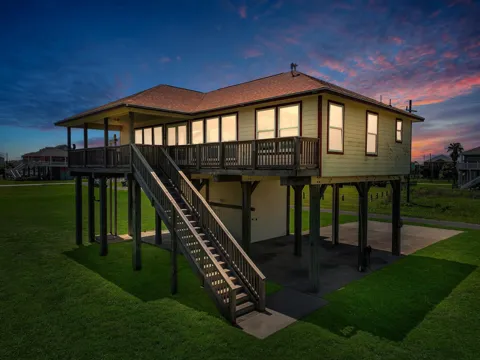
Bolivar Peninsula Beach Town
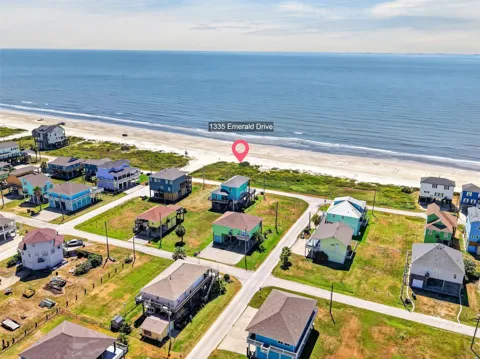
Welcome to Crystal Beach, a Gulf-front community on the Bolivar Peninsula, known for drivable beaches, raised beach houses, and the free Galveston ferry.
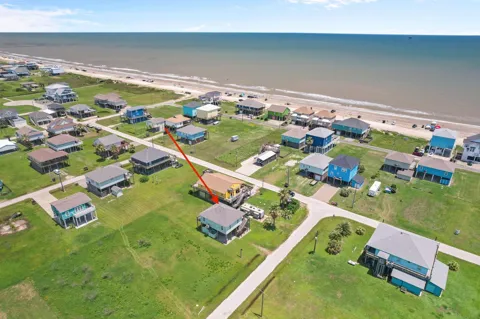
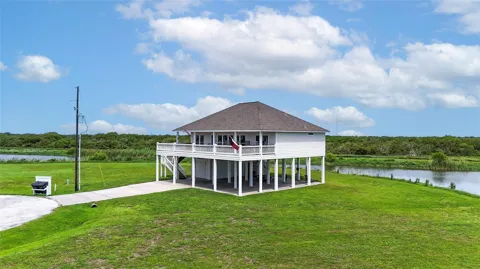
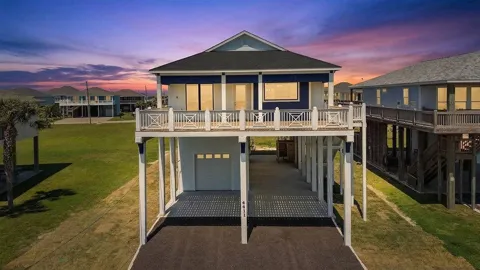
Crystal Beach sits on the Bolivar Peninsula, a narrow spit of land in Galveston County that separates Galveston Bay from the Gulf of Mexico, along the upper Texas coast. The community runs for about seven miles along State Highway 87 and anchors the middle of the peninsula, which is also home to Port Bolivar, Caplen, Gilchrist, and High Island. The entire peninsula offers roughly 27 miles of Gulf beach, much of it drivable, and Crystal Beach is its best-known residential and vacation destination. The area was settled in the early 20th century and has long functioned as a beach retreat for Houston and Southeast Texas residents. Its alternative name, Patton, reflects that early history, but the Crystal Beach name stuck with the arrival of the beach cottage and tourism era. The community remains unincorporated, part of the Bolivar Peninsula census-designated place, and its roughly 1,100 year-round residents are joined each summer by a far larger seasonal population of vacationers and second-home owners. Access defines life here. The free, state-operated Galveston-Bolivar Ferry carries vehicles across the roughly 2.7-mile pass between the peninsula and Galveston Island in about 18 to 20 minutes, while drivers heading from Houston can also take an alternate route via Interstate 10 and Highway 124. That ferry connection makes Galveston's schools, shopping, and medical services reachable while preserving the peninsula's quieter, more isolated character. Housing consists largely of raised beach houses and stilt homes on both the Gulf and bay sides, along with vacation rentals and vacant lots. Students attend Galveston ISD schools—Crenshaw Elementary and Middle School on the peninsula and Ball High School in Galveston. For those seeking a simple, beach-centered Gulf Coast lifestyle, Crystal Beach offers one of Texas's most distinctive coastal settings.
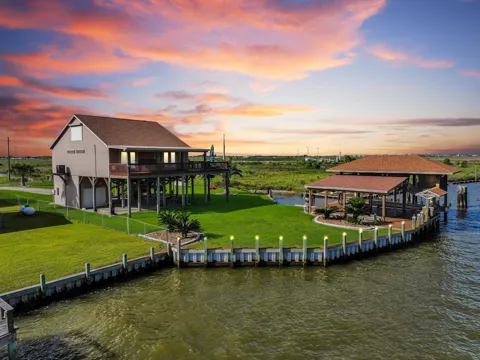
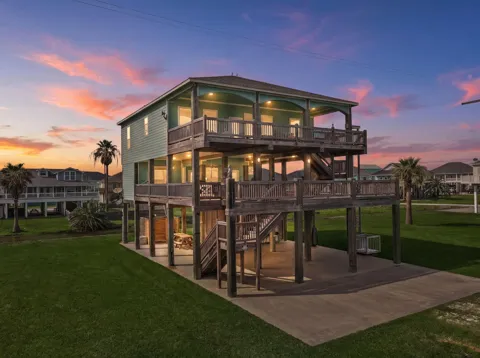
Crystal Beach is located in Galveston County, Texas, on the Bolivar Peninsula, a narrow strip of land between Galveston Bay and the Gulf of Mexico. It stretches along State Highway 87 on the peninsula's Gulf side.
Crystal Beach is reached by the free Galveston-Bolivar Ferry, operated by the Texas Department of Transportation, which carries vehicles across the roughly 2.7-mile bay crossing in about 18 to 20 minutes. Drivers can also reach the peninsula by an alternate route from Houston via Interstate 10 east to Winnie and then south on Highway 124.
Crystal Beach is served by Galveston ISD. Students attend Crenshaw Elementary and Middle School on the Bolivar Peninsula for grades K-8, then Ball High School in Galveston for high school. The district provides school bus service on the peninsula, and the area falls within the Galveston College service region.
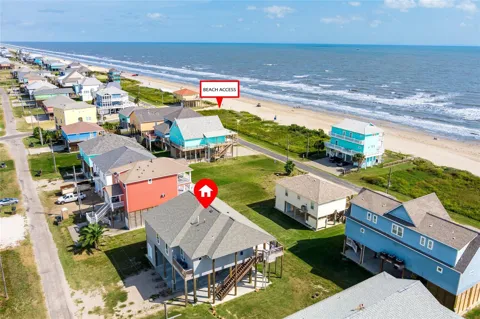
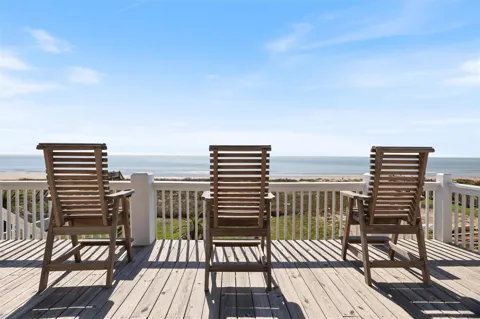
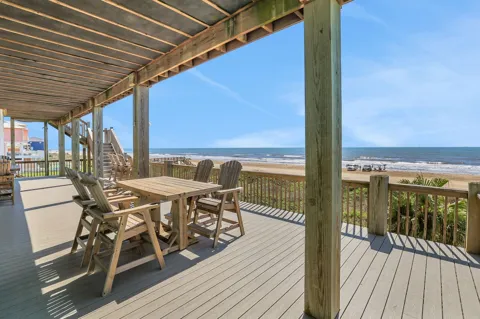
Yes. The Bolivar Peninsula offers about 27 miles of Gulf beach, much of which is drivable, and Crystal Beach is known for its wide, sandy shoreline where visitors can park on the sand, fish from the surf, and look for shells and sand dollars.
No. Crystal Beach is an unincorporated community, not an incorporated city, and it is part of the Bolivar Peninsula census-designated place. Many residents live in raised beach houses and stilt homes, and the community's population of roughly 1,100 year-round residents grows substantially during summer and holiday seasons.
City Guide
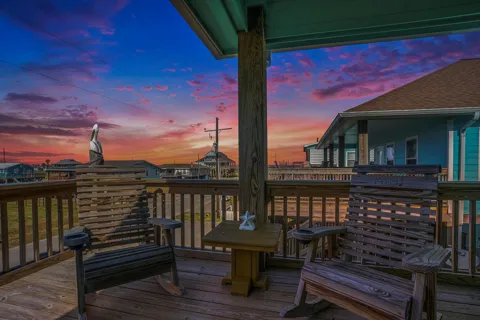
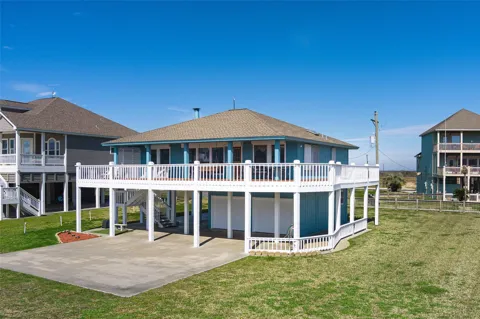
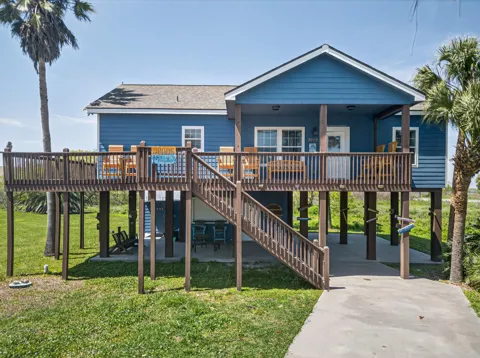
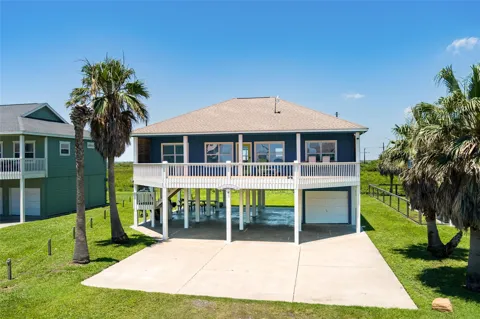
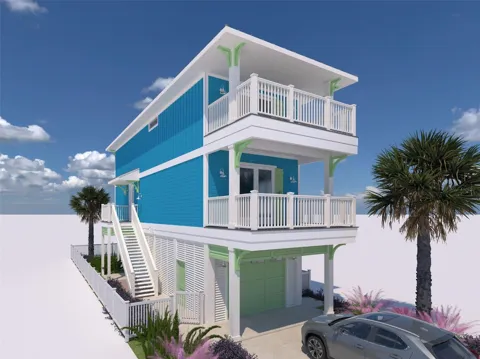
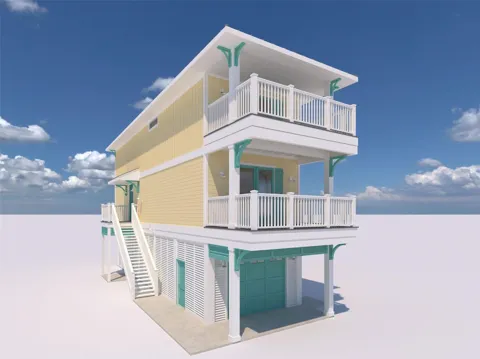
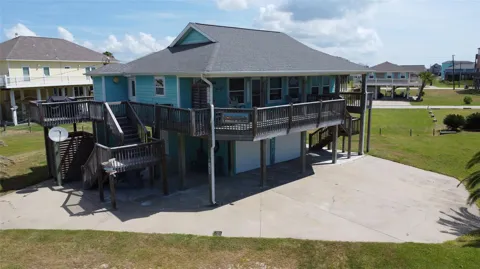
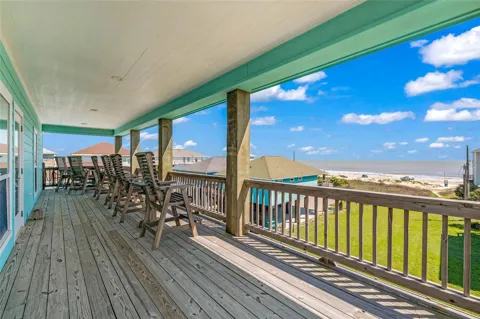
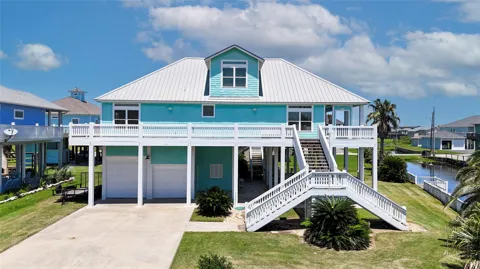
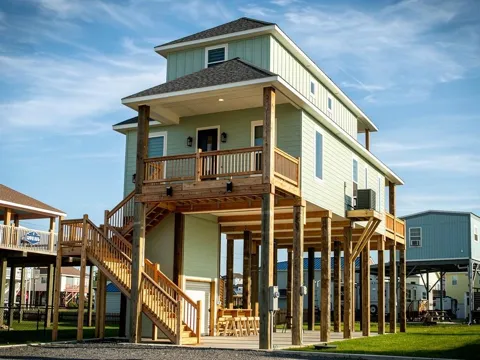
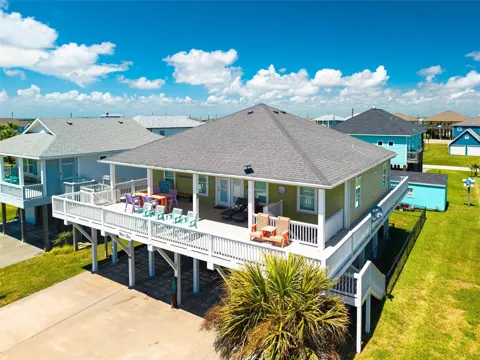
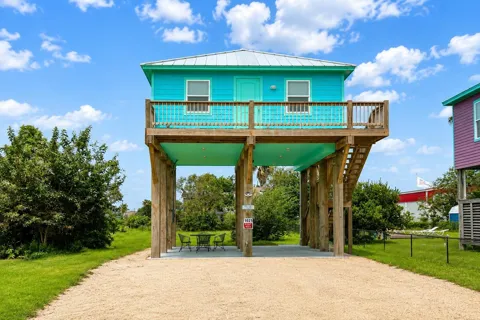
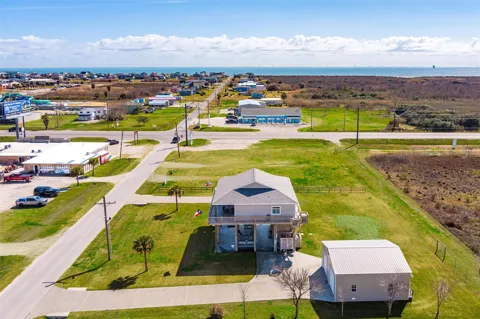
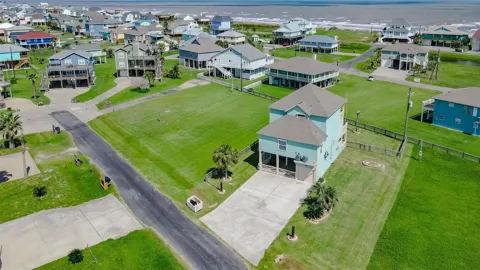
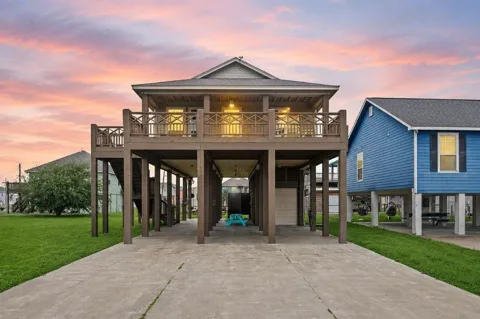
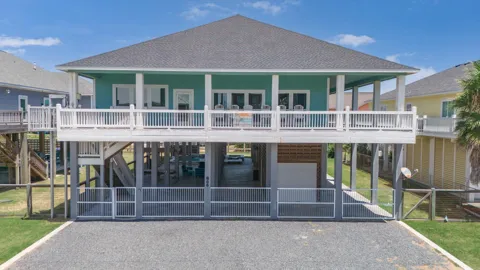
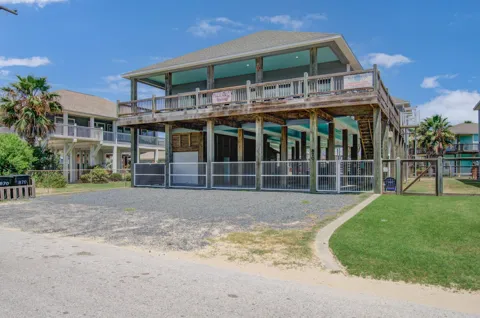
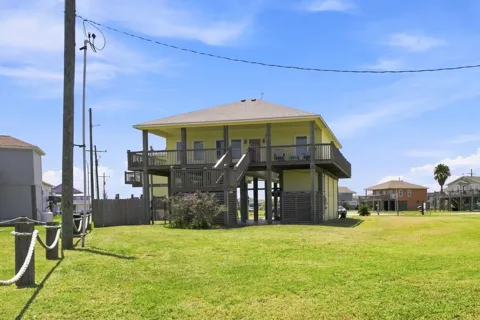
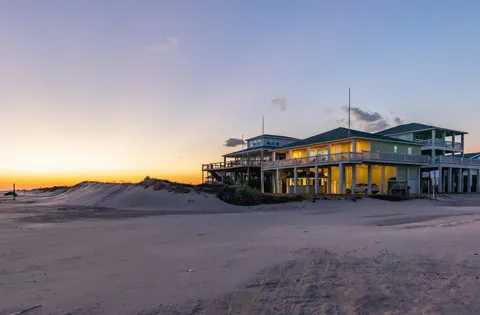
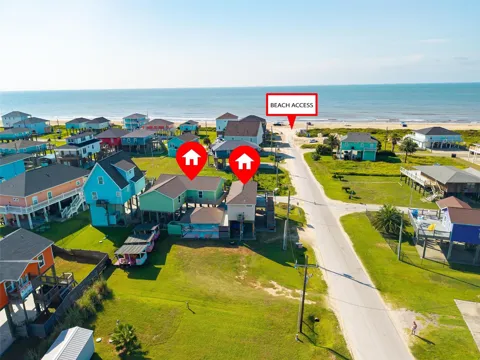
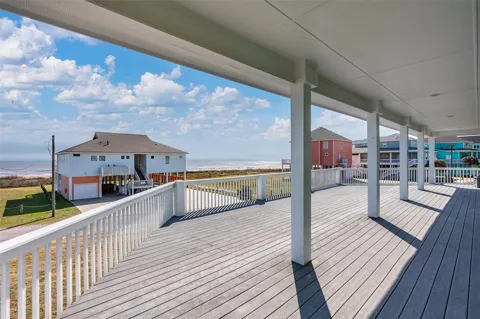
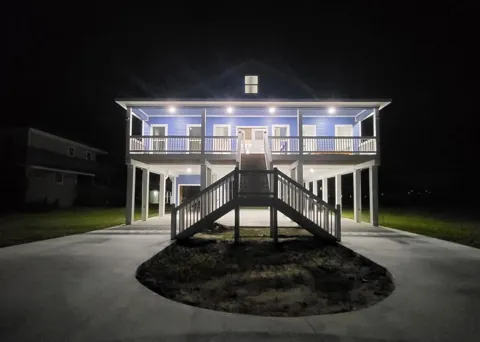
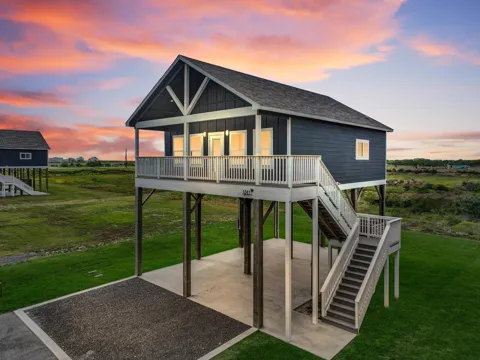
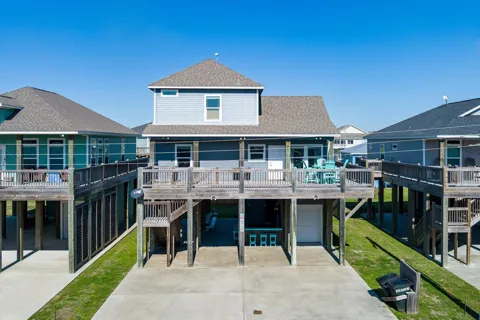
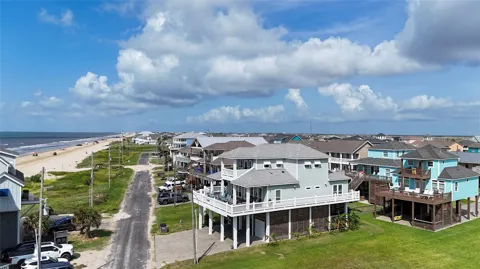
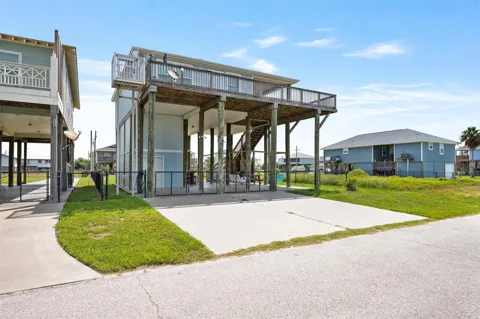
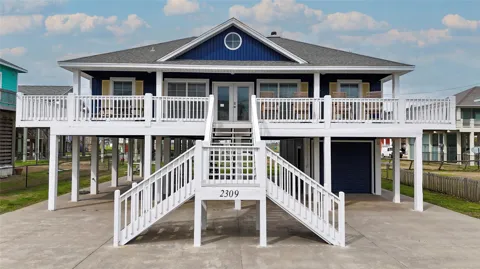
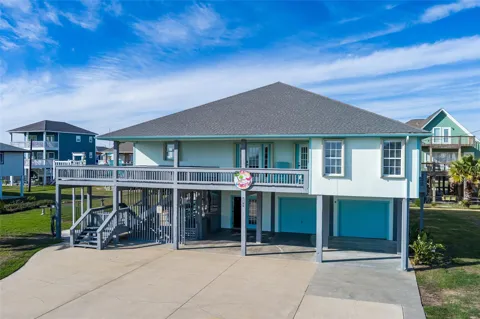
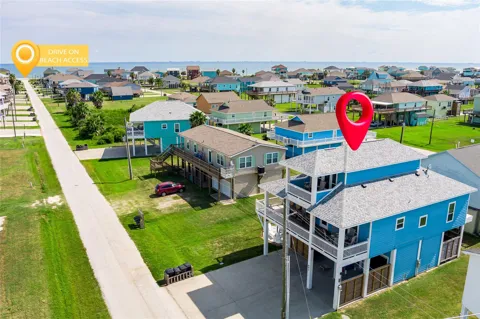
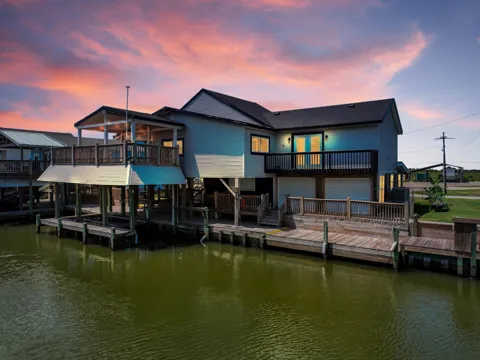
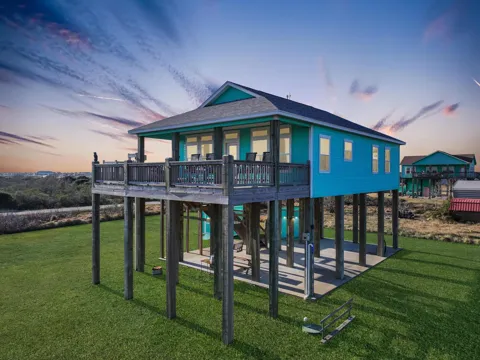
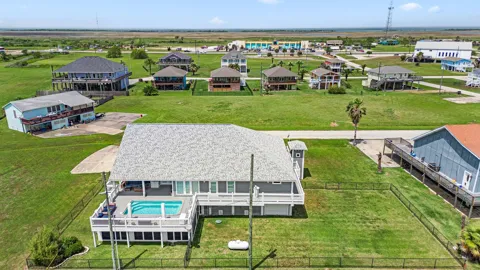
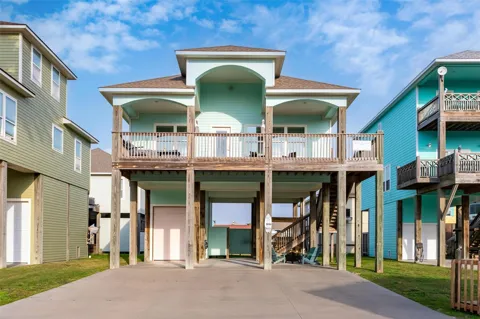
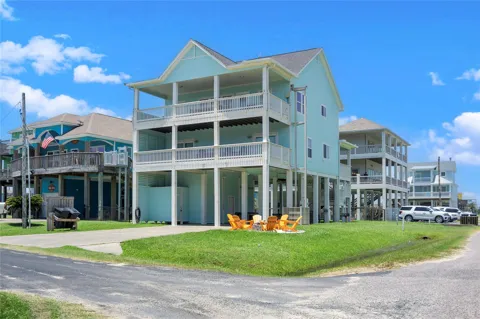
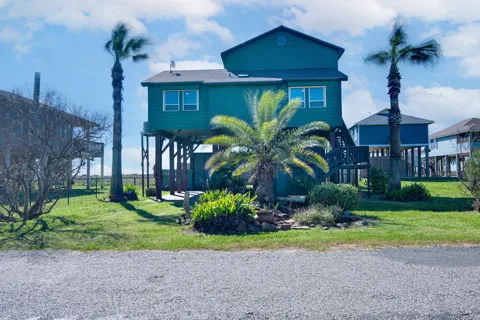
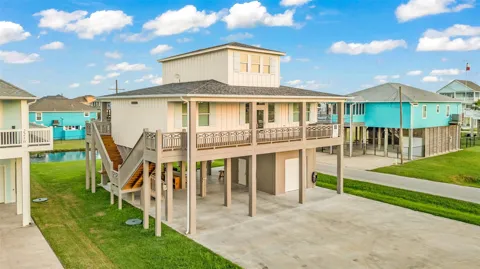
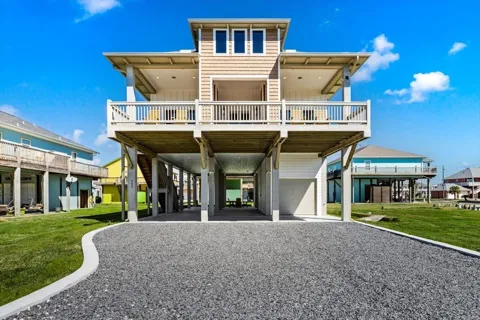
Crystal Beach's housing stock is defined by its coastal setting. Raised beach houses and stilt homes line the Gulf side of the peninsula, many built to withstand storm surge and capture water views, while bayfront and canal-front properties face Galveston Bay. The market includes modest older beach cottages, larger new-construction vacation homes, and vacant lots for custom builds, along with a significant share of short-term rental properties. Buyers here are often seeking a second home, a vacation rental investment, or a permanent retirement retreat. The community's unincorporated status and reliance on ferry access shape both the housing character and the slower pace of development.
Crystal Beach is the central community on the Bolivar Peninsula, which also includes the neighboring settlements of Port Bolivar, Caplen, Gilchrist, and High Island. Crystal Beach itself runs for about seven miles along State Highway 87, with Gulf-front homes on the south side and bay-side properties to the north. Port Bolivar, at the peninsula's western end near the ferry landing, is the area's historic hub and harbor community. High Island, at the eastern end, is known for its bird sanctuaries and elevated salt dome. Together these communities form a continuous, sparsely developed coastal strip where the beach, the bay, and the highway define the geography of daily life.
Crystal Beach embodies a laid-back Texas Gulf Coast lifestyle. Life centers on the beach itself—driving onto the sand, surf fishing, crabbing, and searching for shells and sand dollars—along with kite-flying, bonfires, and sunset walks. The community swells with vacationers and second-home owners in summer, then settles into a quiet, tight-knit rhythm the rest of the year. There is little of the commercial development found in larger beach resorts; instead, the peninsula offers casual seafood spots, beach rentals, and a do-it-yourself coastal culture. Galveston, across the ferry, supplies the nearest full range of dining, shopping, and entertainment, making Crystal Beach a deliberately simple, nature-first place to live or retreat.
Crystal Beach is served by Galveston ISD. Students on the Bolivar Peninsula attend Crenshaw Elementary and Middle School, which serves grades K-8 on the peninsula, and then Ball High School in Galveston for grades 9-12. The district provides school bus service for peninsula residents, and the area falls within the Galveston College service area for post-secondary education. Because the peninsula has only the one K-8 campus, families should expect ferry-dependent commutes for older students and for many school activities, which is a practical consideration for those raising children in Crystal Beach.
The Galveston-Bolivar Ferry is the defining feature of Crystal Beach's transportation. Operated free of charge by the Texas Department of Transportation, the ferry carries vehicles across the roughly 2.7-mile crossing between Galveston Island and the peninsula in about 18 to 20 minutes, and it is the only direct road link between the two. Drivers can avoid the ferry by taking Interstate 10 east from Houston to Winnie and then Highway 124 south onto the peninsula—a longer route that bypasses Galveston entirely. State Highway 87 runs the length of the peninsula, and Houston lies roughly 100 miles away by the non-ferry route, making ferry timing a routine part of travel planning.
Recreation in Crystal Beach centers on the Gulf shoreline. The peninsula's drivable beaches allow residents and visitors to park on the sand, surf fish, and search for shells and sand dollars, while Galveston Bay offers crabbing, kayaking, and protected water. Fishing is a year-round pursuit, from surf casting to pier and jetty fishing near Port Bolivar. High Island, at the peninsula's eastern end, is a renowned birding destination on the spring migration route. Across the ferry, Galveston Island adds beaches, historic districts, and attractions, while the surrounding bay system supports boating and wildlife viewing throughout the year.
MARKET SNAPSHOT
How homes have been selling here over the last 90 days.
Market data reflects closed sales over the last 90 days and is provided for informational purposes.
EXPLORE COMMUNITIES
Browse the neighborhoods and subdivisions in this area.
BROWSE BY ZIP
Browse listings by postal code in this area.