Arts District in the Piney Woods
Welcome to Winnsboro, a Piney Woods town with a state-certified cultural arts district, a lively downtown, and easy access to East Texas lakes.
Winnsboro sits in the Piney Woods of Northeast Texas, where Wood County meets Franklin County, at the junction of State Highways 11 and 37. It is a small city of about 3,500 people with a history that runs from the region's earliest inhabitants through a rough-hewn frontier past. The area's story begins with the Caddo people, followed by French settlement, before a logging boom transformed the town into a raucous timber and railroad hub. The alley north of the depot earned the nickname "the Bowery," lined with saloons and gambling halls that catered to loggers, and the town saw its share of gunplay and larger-than-life figures. The railroad cemented Winnsboro's role as a commercial center for the surrounding countryside when the Texas Southern Line extended service from Marshall in 1902. Over time the rough edges softened, and Winnsboro evolved into a settled agricultural and small-business community. Its location amid the lakes and forests of East Texas gave it a quieter identity, while its historic downtown remained the town's heart. In recent decades Winnsboro has reinvented itself around arts and culture. It is a Texas Main Street City, a Preserve America community, and a state-certified Cultural Arts District, with the Winnsboro Center for the Arts anchoring a downtown that now mixes galleries, restaurants, antique shops, and live music. The former Bowery is today a gathering place for events and visitors. For residents, Winnsboro offers the pace and closeness of a small East Texas town with an unusually active cultural scene. Nearby lakes — Cypress Springs, Bob Sandlin, and Lake Winnsboro — provide fishing, boating, and lakeside living, while Tyler, about 50 miles south, supplies the nearest metropolitan amenities. It is a community suited to people who value small-town life, the arts, and easy access to the outdoors.
Winnsboro is in Northeast Texas, straddling the Wood County and Franklin County line in the Piney Woods region. The city sits at the crossing of State Highways 11 and 37 in the northeastern part of Wood County.
Winnsboro Independent School District serves the city and extends into southeastern Hopkins and southern Franklin counties. The district operates four schools serving roughly 1,500 students and is the primary public school option for local families.
Lake Cypress Springs lies just north of Winnsboro, Lake Winnsboro sits to the southwest, and Lake Bob Sandlin is within easy reach. Together these reservoirs offer fishing, boating, swimming, and lakeside living in the Piney Woods.
Winnsboro is known for its state-certified Cultural Arts District, anchored by the Winnsboro Center for the Arts, along with its Texas Main Street designation and a revitalized downtown called the Bowery. The town's earlier logging and railroad history also shaped its identity.
Tyler is about 50 miles south of Winnsboro via State Highway 37 and U.S. Route 69. Mount Vernon lies about 17 miles to the north and Mineola about 25 miles to the southwest, making Winnsboro a natural crossroads in Northeast Texas.
City Guide
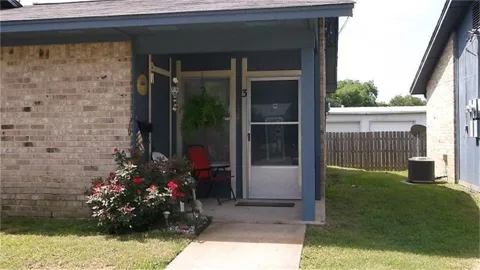
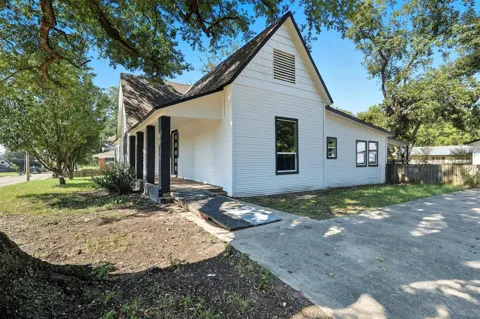
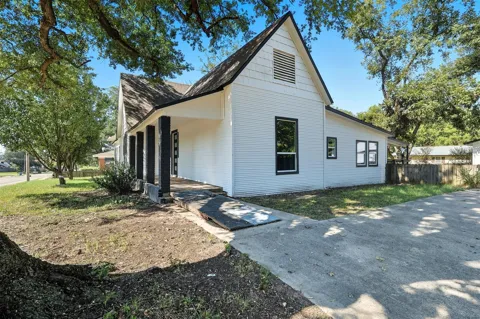
Housing in Winnsboro reflects its small-town Piney Woods setting. The city offers a mix of older, established homes near the historic downtown and newer construction on the outskirts, with most residents owning their homes and a sparse suburban feel that leaves room between neighbors. The surrounding countryside and nearby lakes add waterfront and acreage properties to the mix, appealing to buyers seeking space or lake access. Winnsboro's size means homes tend to be single-family and modest in scale, and the housing stock mirrors the town's character as a settled, close-knit community rather than a fast-growing suburb. The arts district and nearby lakes shape where and how people choose to live.
Winnsboro's lifestyle centers on its downtown arts scene and small-town rhythm. As a Texas Main Street City and state-certified Cultural Arts District, the city hosts galleries, antique shops, restaurants, and live performances, with the Winnsboro Center for the Arts serving as the cultural hub and the Bowery providing a place for events and evening gatherings. The town's history — from logging camps to its designation as a cultural district — gives it a distinctive local identity that residents take pride in. Life is unhurried, family- and community-oriented, and shaped by a calendar of festivals, farmers markets, and arts programming unusual for a town of this size.
Winnsboro is served by Winnsboro Independent School District, a small district based in the city that extends into southeastern Hopkins and southern Franklin counties. The district operates four schools serving roughly 1,500 students, giving Winnsboro the close-knit school environment typical of small-town Texas. It is the primary public education option for local families and a central part of community life, with school activities drawing broad participation. For families considering a move, the district's compact size, its reach across three counties, and its role as a community anchor are the defining features of education in Winnsboro.
Winnsboro sits at the crossing of State Highways 11 and 37, a position that makes it a natural waypoint in Northeast Texas. Highway 37, which follows Main Street through the center of town, leads north about 17 miles to Mount Vernon and southwest about 25 miles to Mineola, while Highway 11 connects the city to Sulphur Springs and the broader region. Tyler lies about 50 miles south via Highway 37 and U.S. Route 69. As in most rural East Texas towns, the automobile is the primary means of travel, and the city's highway crossroads gives residents direct access to nearby lakes and larger towns across the region.
Winnsboro is surrounded by the lakes and forests of the Piney Woods, making outdoor recreation a central part of local life. Lake Cypress Springs lies just to the north, Lake Winnsboro sits southwest of town, and Lake Bob Sandlin is within easy reach, together offering fishing, boating, swimming, and lakeside living. The region's woodlands provide hunting, hiking, and seasonal outdoor activities. Within the city, the downtown arts district and the Bowery host festivals, markets, and events throughout the year, while Gilbreath Memorial Library serves the area as a tri-county public library. The combination of nearby lakes and an active downtown gives residents recreation in all seasons.
MARKET SNAPSHOT
How homes have been selling here over the last 90 days.
Market data reflects closed sales over the last 90 days and is provided for informational purposes.
BROWSE BY ZIP
Browse listings by postal code in this area.