Colorado River County Seat
Welcome to Wharton, the Wharton County seat set along the lower Colorado River about 60 miles southwest of Houston, where rice-country agriculture, oil and gas, and a restored courthouse square meet.
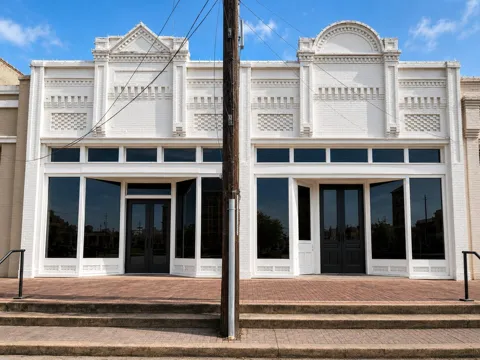
Wharton is a city in and the county seat of Wharton County, Texas, set on the lower Colorado River of Texas about 60 miles southwest of Houston. Founded in 1846 on land near the river, it was named for brothers William H. and John A. Wharton, prominent early Texas settlers. Wharton County was carved the same year from parts of Matagorda, Jackson, and Colorado counties, taking some of the region's most fertile river-bottom land. Agriculture has long anchored the economy. Rice became a defining crop as irrigation spread across the coastal prairie, and the surrounding fields still produce rice, corn, grain sorghum, and cotton, alongside cattle ranching. Oil and natural gas, discovered in the area in the mid-1930s, added energy production and related jobs, and sulfur mining has also contributed to the local economy. Wharton suits people who want an affordable small-city setting on a real commute corridor to Houston. U.S. Highway 59 — part of the future Interstate 69 route — links the city to Houston to the northeast and Victoria to the southwest. The historic downtown, built around the restored county courthouse, holds shops, restaurants, and antiques, while the Wharton County Historical Museum and the 20th Century Technology Museum preserve the region's layered past, including the legacy of playwright Horton Foote, a Wharton native. The Colorado River frames recreation and daily life, with Riverfront Park and a string of city parks offering green space along the water. For buyers, Wharton offers historic homes near downtown, established neighborhoods, and open acreage in the surrounding countryside.
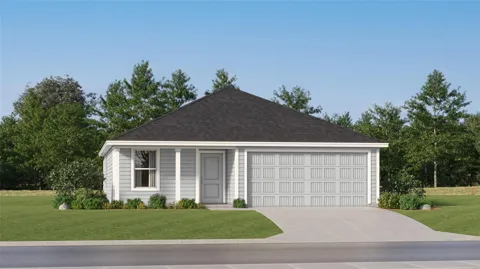
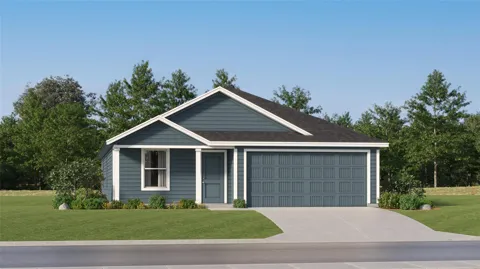
Wharton is the county seat of Wharton County, in the Texas Gulf Coast region about 60 miles southwest of Houston. The county was formed in 1846 from parts of Matagorda, Jackson, and Colorado counties, and the city, founded the same year, was named for brothers William H. and John A. Wharton.
Wharton is about 60 miles southwest of downtown Houston, roughly an hour's drive along U.S. Highway 59, which is part of the future Interstate 69 corridor. The route also connects Wharton to Victoria and points south, making the city a commuter-friendly base in the Houston metro's outer orbit.
Wharton is known for its rice and row-crop agriculture, its role as a Wharton County seat, and its historic downtown and restored courthouse. Playwright and screenwriter Horton Foote was born in Wharton, and the Wharton County Historical Museum and the 20th Century Technology Museum highlight the area's layered history and vintage technology.
Wharton is served by Wharton Independent School District, which enrolls roughly 1,800 students across four campuses from pre-kindergarten through 12th grade, including Wharton High School, a junior high, and elementary schools.
Wharton offers the Wharton County Historical Museum and the 20th Century Technology Museum, a historic downtown around the restored courthouse, and 11 city parks, including Riverfront Park along the Colorado River. The river supports fishing, kayaking, and canoeing, and the Santa Fe Trail provides walking and biking space.
City Guide
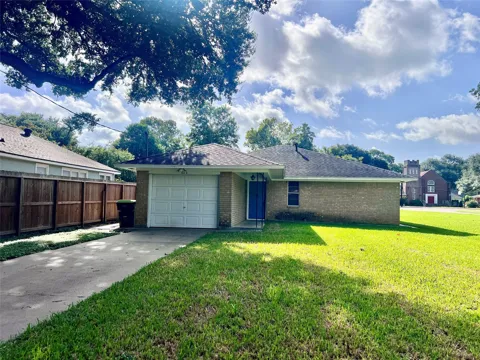
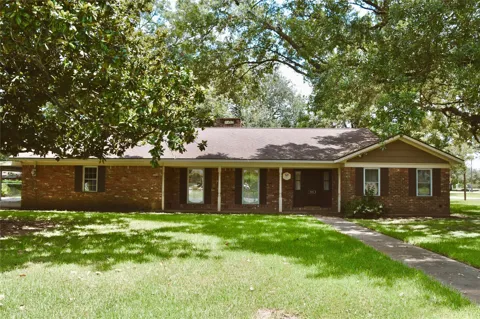
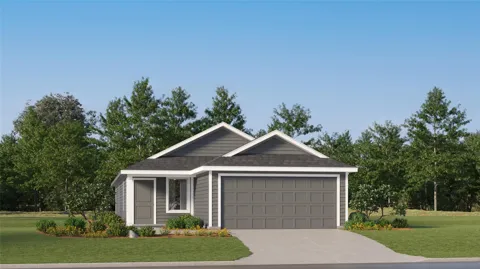
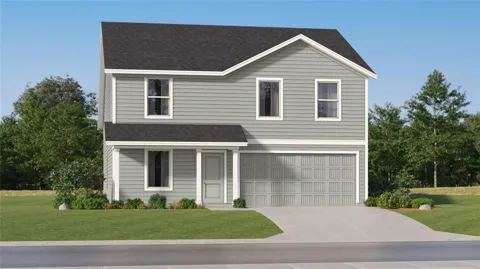
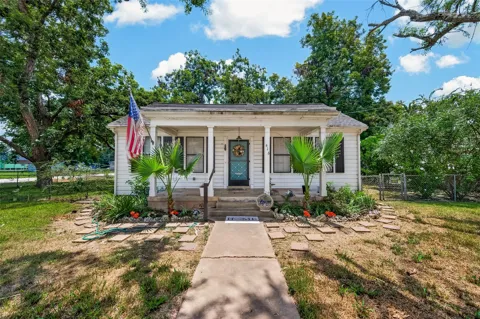
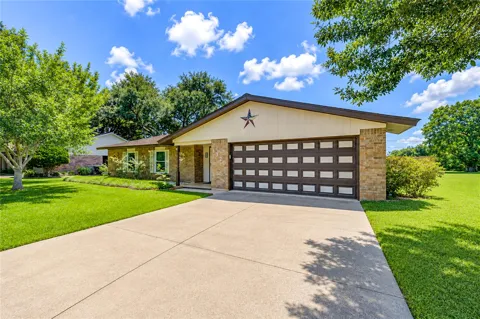
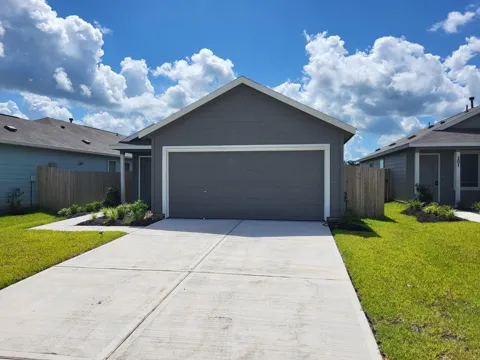
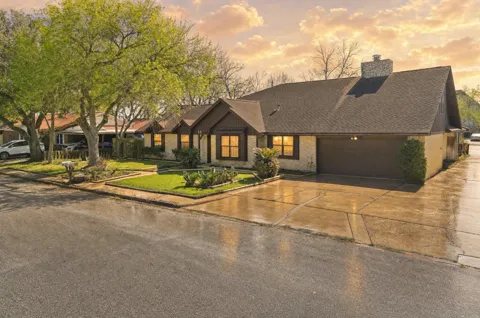
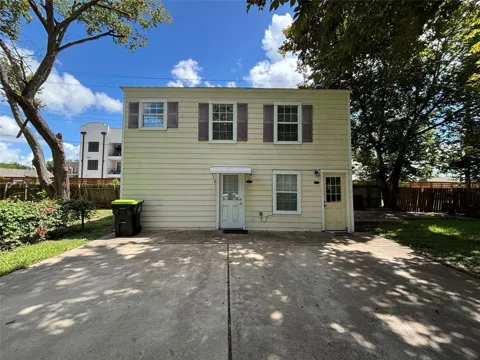
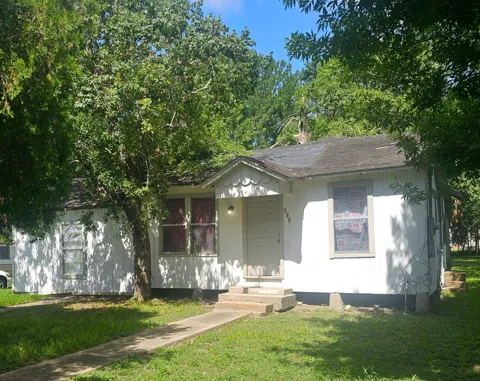
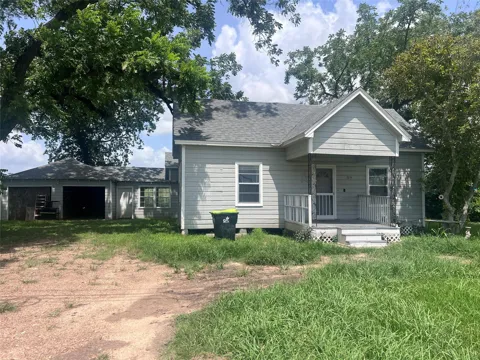
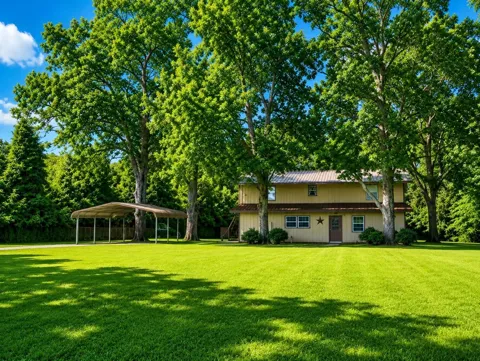
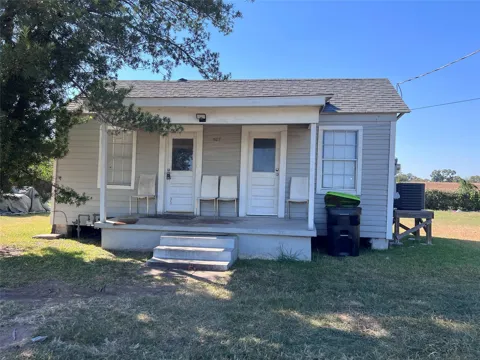
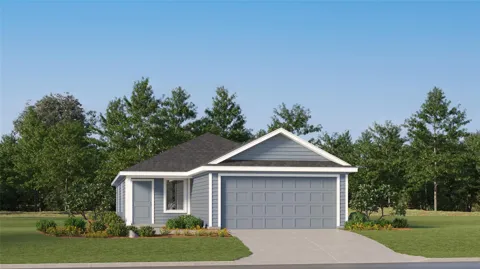
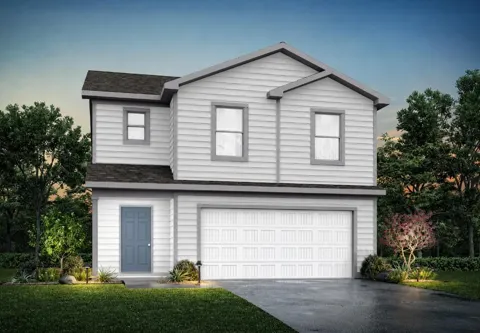
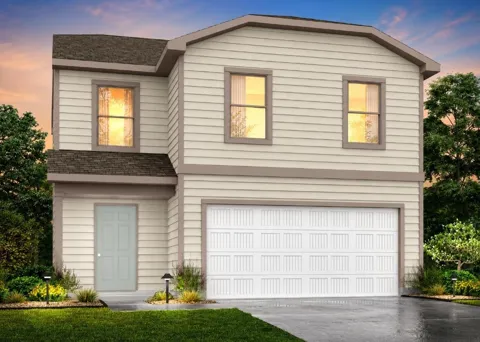
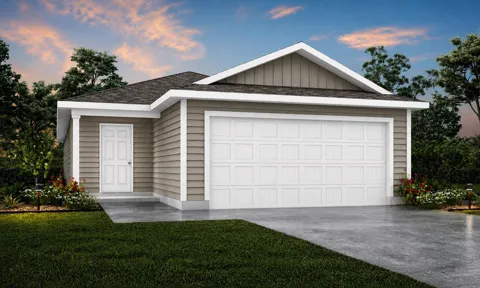
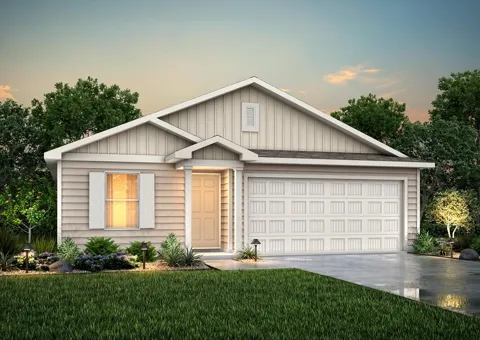
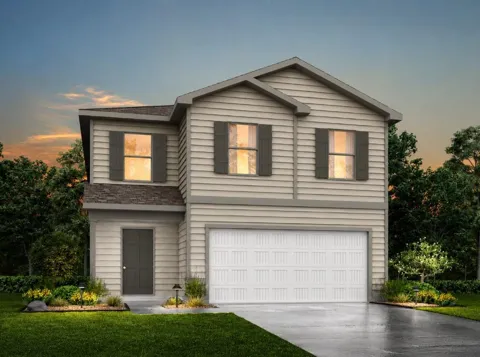
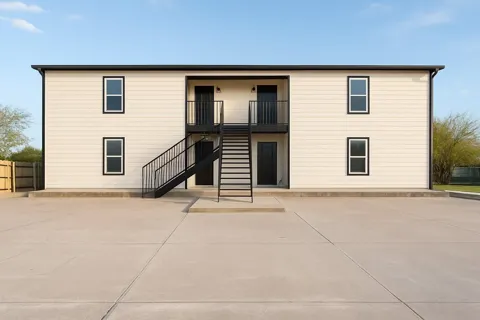
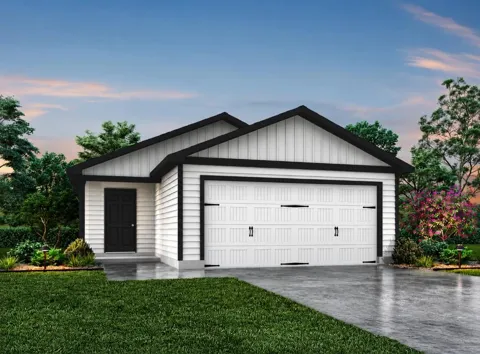
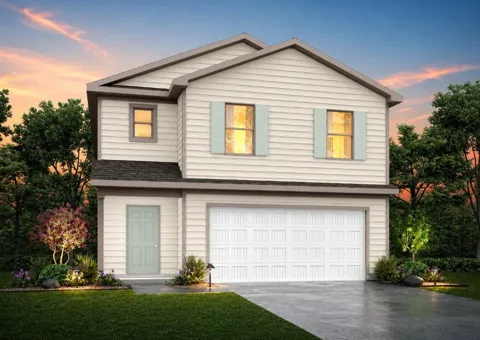
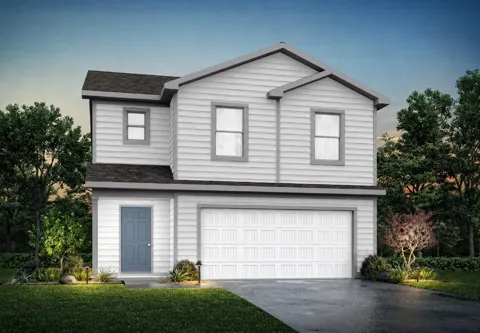
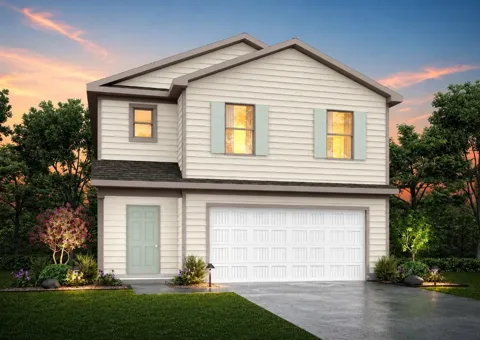
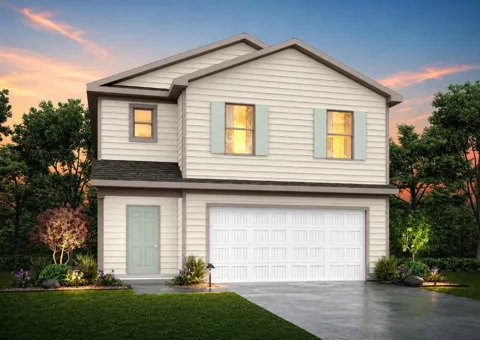
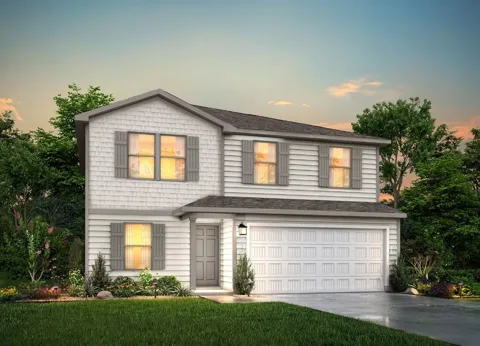
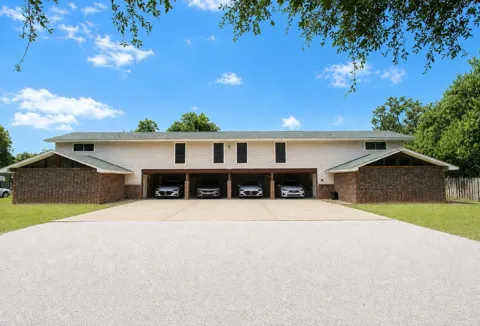
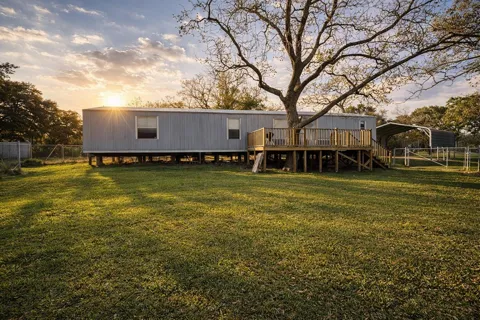
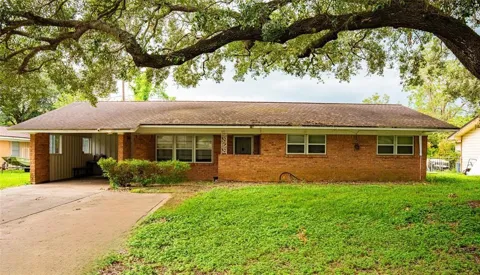
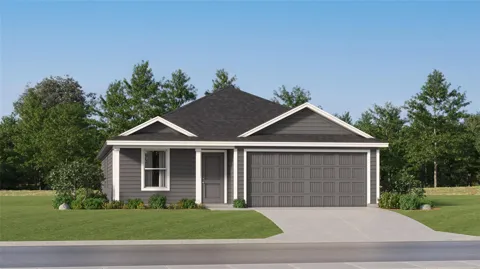
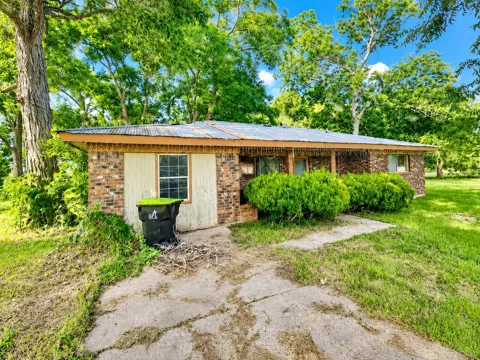
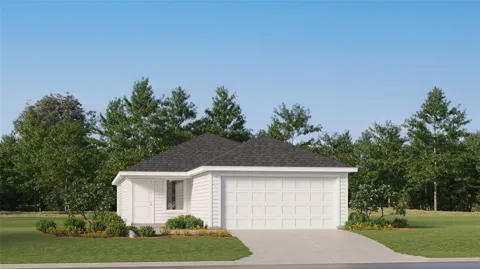
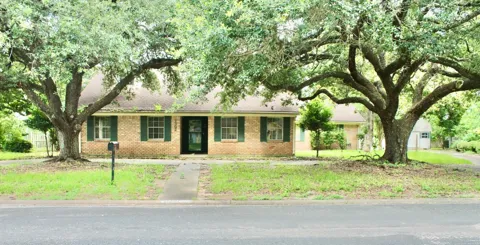
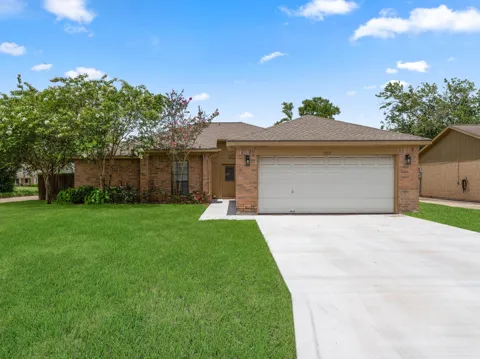
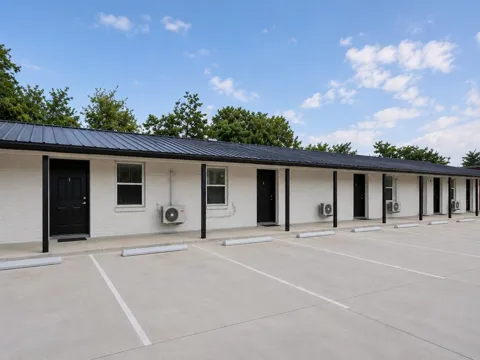
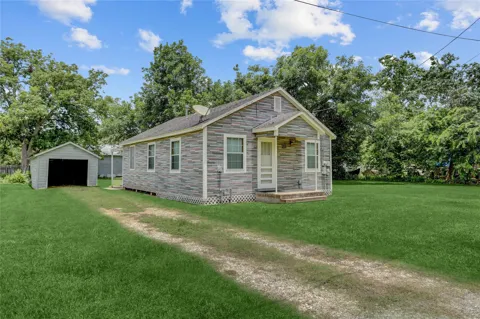
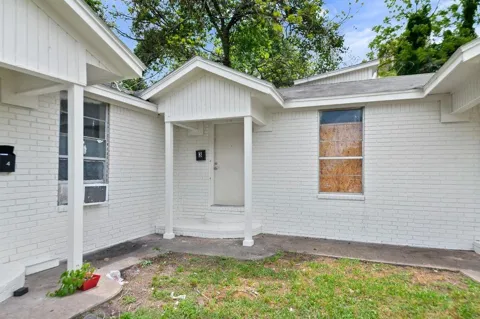
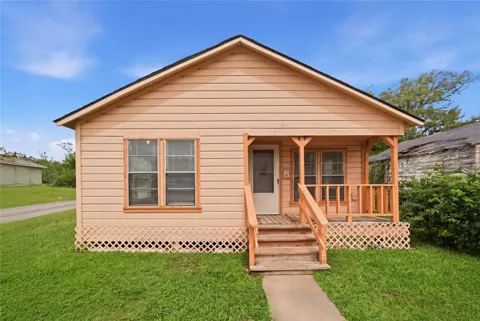
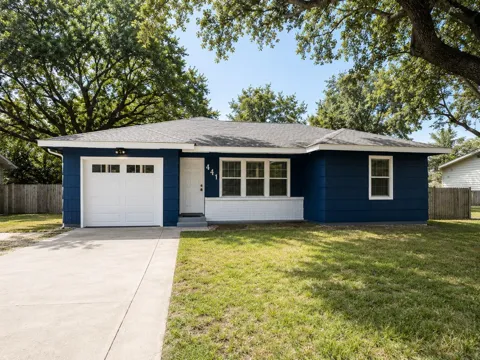
Wharton's housing stock reflects its long history as a county seat. The downtown and adjacent streets hold older and historic homes, many documented in the Texas Historical Commission's survey of the city's architectural resources, with Victorian-era and early-20th-century residences near the courthouse. Mid-century and later subdivisions spread outward from the core, and newer construction appears on the city's edges. Beyond the limits, the surrounding county offers rural acreage, farmsteads, and ranchette properties. The mix gives buyers choices ranging from restored historic houses to move-in-ready family homes and larger country lots.
Wharton's neighborhoods are organized around a compact historic core. The East End Historic area and other streets near downtown hold many of the city's older homes, some listed among the city's recognized historic properties, with mature trees and proximity to the courthouse square and shops. Established mid-century subdivisions ring the center, offering practical single-family housing, while newer developments and scattered acreage lots extend toward the city limits. The Colorado River and U.S. 59 corridor shape the city's layout, placing most neighborhoods within a short drive of schools, parks, and the downtown commercial district.
Daily life in Wharton moves at a small-city pace with easy access to Houston. The restored courthouse anchors a downtown of local shops, restaurants, and antiques, and community events draw residents throughout the year. The area's agricultural roots show in its rice fields, feed stores, and county-fair traditions, while the energy sector adds a working, industrial dimension. Families center on schools, churches, and youth sports, and the Colorado River offers fishing, paddling, and riverside picnicking. A strong sense of community and a lower-key rhythm define the city, with the big-city amenities of Houston about an hour up U.S. 59.
Public education in Wharton is provided by Wharton Independent School District, which serves roughly 1,800 students across four campuses from pre-kindergarten through 12th grade. The district includes Wharton High School, a junior high, and elementary schools serving the city and nearby areas. For higher education, residents are within reach of community colleges and universities in the greater Houston region. The district's small size keeps schools closely tied to the community, and school activities and athletics are central to local life.
Wharton sits on U.S. Highway 59, a major corridor between Houston and Victoria that is being upgraded as part of the future Interstate 69 route through the area. Houston lies about 60 miles to the northeast, roughly an hour's drive, making Wharton a practical base for commuters and for access to Houston's airports, medical centers, and employment markets. State Highway 60 and other local roads connect the city to surrounding communities and the broader agricultural region. The Colorado River runs through town, and its 1930s highway bridge frames Riverfront Park below.
Wharton maintains about 60 acres of city parks spread across 11 sites. Riverfront Park, beneath the 1930 Highway 59 bridge, offers picnic areas, barbecue pits, and riverbank access along the Colorado River, a popular spot for fishing and quiet afternoons. The Santa Fe Trail provides walking and biking space, and the Wharton Municipal Swimming Pool offers summer recreation. The Colorado River itself supports kayaking and canoeing. Indoors, the Wharton County Historical Museum and the 20th Century Technology Museum give residents and visitors a look at the region's history and its collection of vintage technology.
MARKET SNAPSHOT
How homes have been selling here over the last 90 days.
Market data reflects closed sales over the last 90 days and is provided for informational purposes.
BROWSE BY ZIP
Browse listings by postal code in this area.